
Tips for Noise Reduction in Apartment Living to Enhance Sleep
Living in an apartment can often present unique challenges regarding noise, especially when it comes to sleep. To create a quieter environment, start by evaluating the sources of noise around you. Are they coming from neighbors, street traffic, or construction? Identifying these sources is crucial in formulating an effective strategy to minimize disturbances. Begin by considering soundproofing options for your windows and doors. Adding heavy curtains or even double-glazed windows can significantly reduce outside noise. While these solutions may initially require investment, they can prove valuable for your long-term comfort and well-being. Additionally, using draft stoppers can block gaps around doors and reduce sound entry. If your walls are thin, consider rearranging your furniture to create a barrier between your bed and the noise source. Utilizing rugs can also help absorb sound. Overall, addressing noise sources and implementing strategic changes can significantly enhance your sleep quality.
Another valuable approach in apartment living for sleep enhancement is utilizing white noise machines. These devices can mask the disruptive sounds of the environment, providing a consistent auditory backdrop that aids relaxation. Moreover, natural sounds, such as ocean waves or rain, can be equally soothing and effective. You can also explore applications on your smartphone offering diverse soundscapes. Earplugs are a simple yet effective solution for blocking noise, which can easily become a staple in your sleep routine. These small devices are not only inexpensive but also portable, allowing you to travel with ease. Focus on finding the right fit for comfort; options vary in size and materials. Creating a calming nighttime routine can further prepare your body for sleep. This may involve dimming lights, reading a book, or practicing meditation to ease the transition from wakefulness to sleep. Making a peaceful environment conducive to sleep can be achieved by combining multiple strategies, utilizing both sound and environmental adjustments to create a sanctuary for rest.
Implementing Noise-Reducing Decor
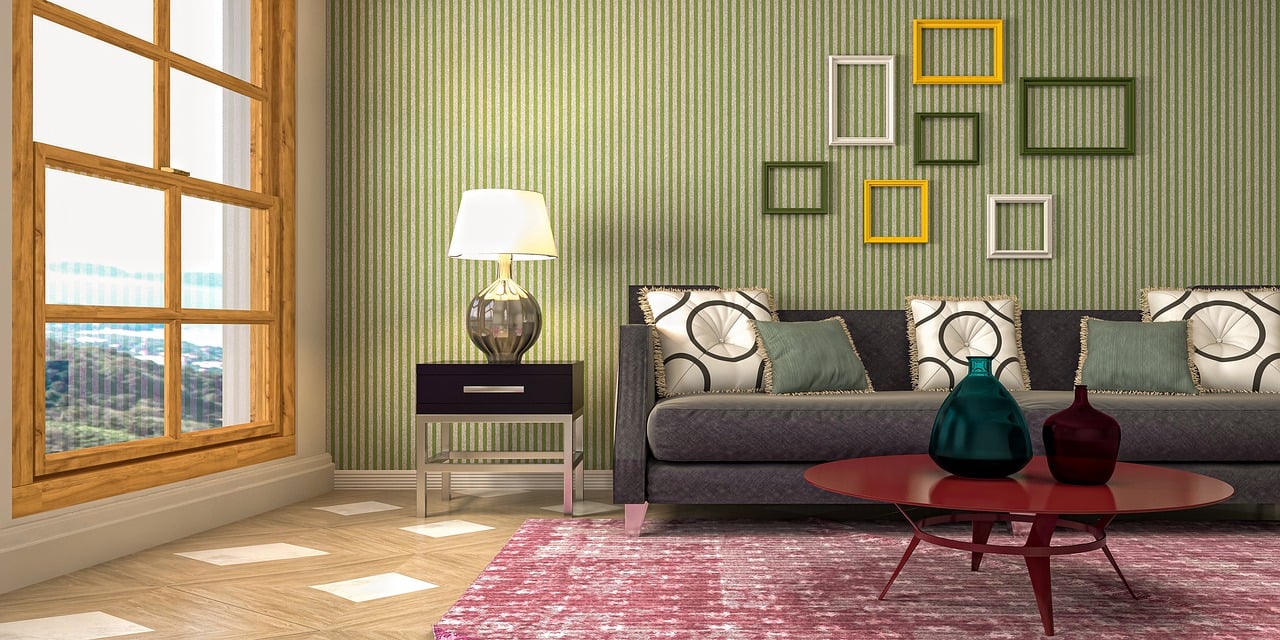
Decorate your space with noise-reducing elements to further promote tranquility in your living area. Items like bookcases filled with books or large textiles can serve as sound barriers. Furniture arrangement plays a crucial role; consider positioning larger furniture pieces against shared walls to absorb sound. Wall hangings or tapestries are also effective in dampening noise reflection. Incorporate plants not only for aesthetic appeal but also for their sound-absorbing qualities. Certain luscious plants can help reduce ambient noise while enhancing air quality. Incorporating soft furnishings such as cushions and throws creates a warm atmosphere that offers comfort and noise absorption. A layered approach showcases your style while fostering a quieter living space. Another fun method includes soundproofing your apartment via art installations featuring sound-dampening materials. These creative options can enhance your home decor while being functional. Evaluate your current decor and see how you can integrate more noise-reducing items. These gradual changes cultivate an environment where restful sleep can become routine, leading to improved overall health and productivity.
Choosing the right time for your activities contributes significantly to your sleep quality, especially in apartments. Be mindful of creating noise during late hours. Plan activities that tend to be louder, such as vacuuming or doing laundry, for daytime when you know it will not disturb others’ sleep. It’s essential to respect your neighbors and maintain harmony within your living environment. Communication proves vital as well; consider politely discussing noise levels with your neighbors. Open conversations can lead to friendly arrangements where everyone abides by quiet hours. Additionally, consider participating in community boards to address noise issues collaboratively. Awareness can inspire collective responsibility for creating a peaceful living space. You may find that others share your concerns, leading to supportive relationships among neighbors. Creating an understanding environment benefits all residents and encourages adjusted mutual behaviors, making apartment living enjoyable. Ultimately, boundless noise can negatively impact sleep and well-being, which emphasizes the importance of personal responsibility and community engagement to foster restful living spaces across the block.
Adjusting Personal Habits
Adapting personal habits for noise reduction can lead to improved sleep quality in your apartment. Establishing a consistent sleep schedule promotes better sleep patterns and can help you operate in a more structured manner. This predictability signals your body when to wind down, diminishing nighttime restlessness. As part of this routine, indulge in calming activities before bedtime. Reading, practicing yoga, or taking a warm bath may help transition your mind from the day’s stress to sleep mode. It’s also essential to limit your exposure to screens at least an hour before sleeping, as blue light can disturb melatonin levels. Avoid caffeine during the later hours of the day, and know that both alcohol and heavy meals can disrupt sleep cycles. As part of overall well-being, practice mindfulness and meditation to ease stress and tension. Stress often manifests physically, from racing thoughts to muscle tightness, which can delay sleep onset. Incorporating relaxation techniques into your evening routine may offer significant benefits as you work to quiet your mind in preparation for restful slumber.
Another simple yet effective tactic involves limiting the infiltration of environmental sounds through strategic use of technology. Smart home tech can support your noise reduction efforts. Products such as smart thermostats and automatic window shades help control noise levels while promoting comfort. Consider installing noise-reducing air conditioning units and home heating systems to minimize sound disturbance from machines. Wi-Fi-enabled curtains can close automatically at night when you need an added layer of privacy, simultaneously blocking out noise. Smart speakers can play soft music or soothing sounds, creating an environment conducive to sleeping. Remember that appliances can produce noticeable background noise and may require periodic checks to maintain optimal function. Regular maintenance inspections of appliances, including washing machines and dishwashers, can avoid loud disruptions. Relying on technology smartly makes apartment living more manageable. Implementing such tools contributes to your sleep hygiene. Maximizing your performance in this noisy world might seem daunting, yet intentional steps can lead to more restful nights spent in the sanctuary of your apartment.
Creating a Sleep Sanctuary
The final tip involves transforming your bedroom into a true sleep sanctuary. Prioritize your room’s ambiance by ensuring that it remains dark, cool, and quiet. Invest in blackout curtains as they serve to block out unwanted light from city streets or street lamps. Implementing a solid, comfortable mattress and pillows enhances the overall sleep experience. These investments are critical to forming a space that promotes restfulness. Enhance your bedroom with an inviting scent using calming essential oils such as lavender or chamomile. Utilize diffusers to safely disperse these restful aromas, influencing your state of mind positively. Keep electronics to a minimum by eliminating any disruptive devices, including televisions and monitors. Instead, opt for physical books and relaxing materials to make your room feel more peaceful. Modern intrinsic clutter often leads to visual distraction, making it harder to unwind effectively. By controlling light, temperature, and ambient noise, you carve out the ideal atmosphere necessary for quality sleep in your apartment, ensuring rejuvenation night after night.
Enhancing sleep quality amid environmental noise in apartments is feasible through a mix of strategies targeting lifestyle choices, community awareness, and personal habits. Integrating noise-reducing decor offers an intersection of functional design and restful tranquility. Such changes can be gradual yet impactful, reflecting personal style while cultivating improved sleep environments. By adapting personal activities and habits to remain mindful of noise introduction, you contribute to a progressive community. With mutual respect and understanding between neighbors, there exist opportunities for creating and maintaining peace within shared living spaces. The incorporation of technology can seamlessly assist in managing noise levels while promoting essential comfort. Moreover, prioritizing a bedroom that encourages relaxation significantly influences one’s ability to achieve restorative sleep. Lastly, sustenance through techniques such as white noise, calming scents, and layered decorating can foster ultimate tranquility. Implement these suggestions to navigate apartment living effectively while maintaining healthy sleep patterns. Balancing noise and sleep contributes to overall well-being and happiness; strive to cultivate the tranquility you seek. Dedicate time to implementing changes that heighten environmental comfort, leading to enriched quality of life through rejuvenating sleep.