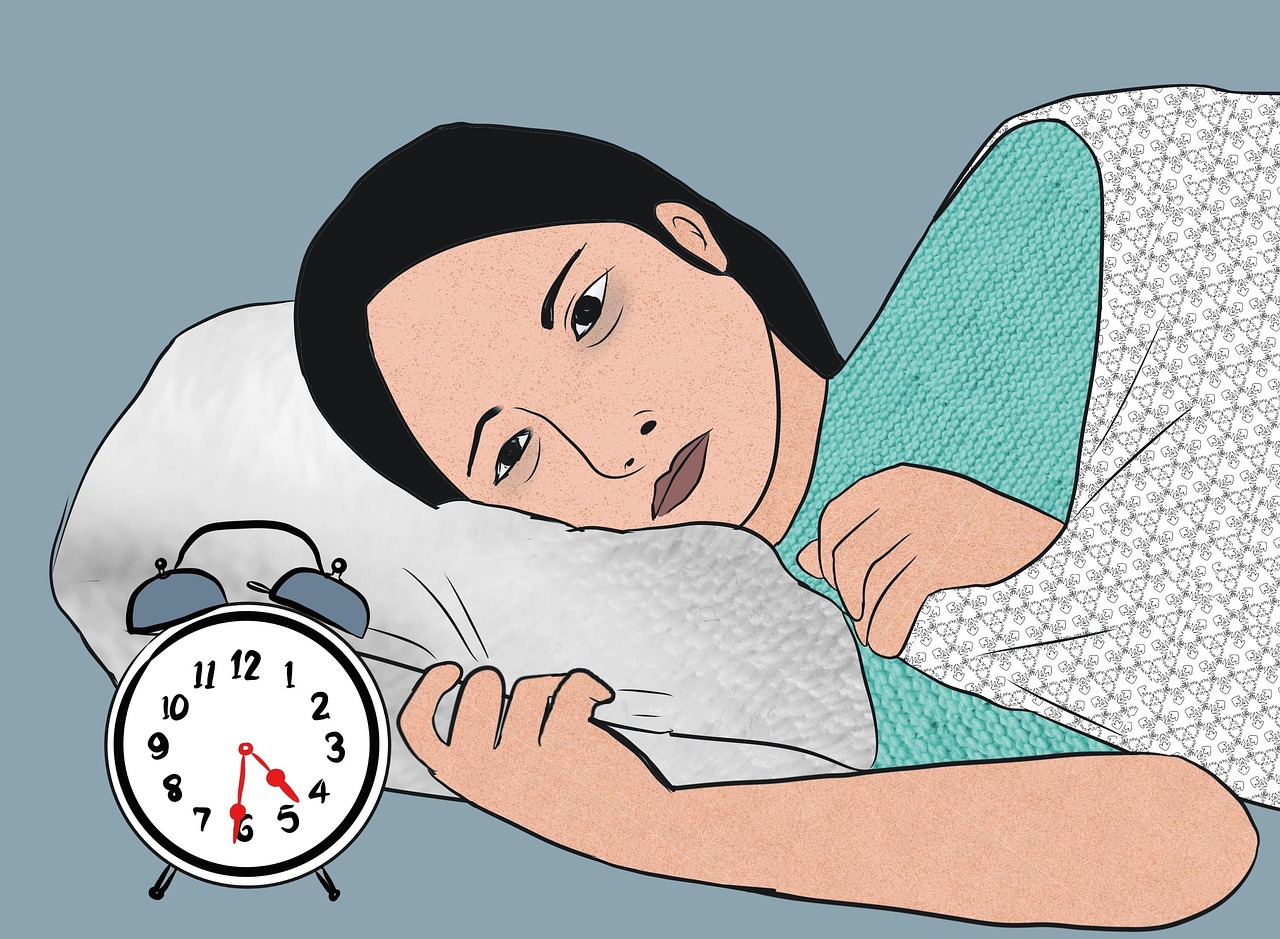

Stress and Insomnia: Causes and Effective Solutions
Many people experience stress and insomnia, which often go hand in hand. Stress can arise from various sources, such as work, family, or health issues, deeply impacting sleep quality. Insomnia refers to trouble falling asleep or staying asleep. When stress levels rise, the body’s response can include increased anxiety, making it harder to relax. This vicious cycle can create a significant barrier to restorative sleep. The brain remains active, and others may struggle with racing thoughts or surrounding noises. Addressing both stress and insomnia is crucial not only for improved sleep but also for overall well-being. Individuals suffering from these issues should be aware of symptoms and seek professional help if necessary. Non-pharmaceutical approaches, such as sleep hygiene practices, mindfulness, and cognitive behavioral therapy, can also be beneficial. Additionally, individuals can incorporate relaxation techniques like meditation, yoga, and deep breathing exercises into their daily routines to alleviate stress. This multifunctional approach may improve both the quality of sleep and the ability to handle stress effectively.
Stress can disrupt sleep patterns, leading to insomnia and additional health complications. When the mind is racing, finding peace can become an overwhelming challenge. Addressing the root causes of stress is essential for tackling insomnia. Moreover, understanding how stress affects the body is crucial. During stressful situations, cortisol levels increase, making falling asleep more difficult for anyone. Without effective coping mechanisms, insomnia can worsen and lead to chronic sleep deprivation. Individuals seeking relief from insomnia need to acknowledge their stress triggers and develop effective coping strategies. Cognitive Behavioral Therapy for Insomnia (CBT-I) is a potent approach that focuses on changing thoughts and behaviors around sleep. This therapy teaches individuals how to stimulate healthy sleep patterns through gradual adjustments. In addition, incorporating daily physical activity is beneficial in lowering stress and positively influencing sleep quality. Engaging in moderate exercise can serve as an outlet for anxiety, helping to promote relaxation. Furthermore, individuals should maintain a consistent bedtime routine to promote good sleep hygiene, which can significantly enhance sleep duration and quality. This holistic view underscores the interconnectedness of stress and sleep, paving the way for effective solutions.
Symptoms of Stress-Induced Insomnia
Recognizing the symptoms of stress-induced insomnia is crucial for timely intervention. Those affected may experience difficulty falling asleep, frequent awakenings, or waking up too early and not returning to sleep. Cognitive disruptions, like racing thoughts and anxiety, often accompany these symptoms. Additionally, irritability and fatigue during the day can severely impact daily activities and overall mental health. A thorough understanding of these symptoms can motivate individuals to seek help. Physical symptoms may also arise, including headaches or stomach issues which can further enhance stress and sleep disruptions. Maintaining a sleep diary can help track patterns and triggers associated with insomnia. Jotting down thoughts, feelings, and daily events may uncover underlying stressors. This self-awareness is a powerful tool in recognizing the importance of stress management for healthy sleep. Furthermore, individuals struggling with these symptoms should consult a medical professional to explore potential paths toward resolution. Ensuring sufficient support from friends and family can play an essential role in alleviating stress. By opening up about these experiences, individuals may foster a supportive network essential for coping effectively and reducing insomnia.
Lifestyle Changes to Combat Stress and Insomnia
Implementing certain lifestyle changes can significantly reduce stress levels and promote better sleep quality. Establishing a regular sleep schedule, going to bed and waking up at consistent times, sets a foundation for healthy sleep patterns. Creating a calming bedtime routine can signal the body that it’s time to wind down. Engaging in relaxing activities can include reading, taking a warm bath, or practicing calming exercises. Additionally, avoiding stimulants such as caffeine and heavy meals close to bedtime can facilitate a smoother transition to sleep. On the other hand, incorporating relaxation techniques like meditation, mindfulness, or deep breathing routines can encourage calmness. Developing a balance between work and leisure is essential to manage daily stress effectively. Furthermore, maintaining a healthy diet rich in fruits, vegetables, and whole grains provides essential nutrients. Regular physical activity plays a vital role in mitigating stress, enabling better chances for restful sleep. It is important to note that not all exercises have the same impact on each person. Finding enjoyable activities ensures sustainability and boosts motivation when tackling stress management.
Stress management techniques are diverse, and individuals should find ones that resonate with them. Popular methods include mindfulness meditation, progressive muscle relaxation, and journaling. Creating a personal wellness plan allows individuals to monitor their progress and adjust strategies accordingly. Stress management is not solely about eliminating stress; rather, it is about learning how to cope with it effectively. Building resilience through social support can significantly benefit one’s mental and emotional health. Sharing experiences with friends and family fosters understanding and enhances connections. Seeking professional assistance, such as a therapist or counselor, can provide additional support and coping strategies for individuals dealing with sleep issues related to stress. Professional guidance often includes tailored interventions to address specific needs, ensuring effective outcomes. Combining individualized plans with external support can enhance overall treatment for insomnia. Monitoring one’s mental health is essential for recognizing when it may be time to reach out for assistance. Ultimately, prioritizing mental well-being can create lasting improvements in sleep quality while decreasing the harmful effects of stress, leading to a healthier and happier life.
Natural Remedies for Insomnia
For those looking for natural remedies for insomnia, several options can aid sleep and reduce stress. Herbal supplements like valerian root, chamomile, and lavender may promote relaxation. However, it’s essential to consult a healthcare provider for proper guidance and dosage recommendations. Certain essential oils, including eucalyptus and bergamot, can be incorporated into a bedtime routine. Creating an inviting sleep environment can further enhance relaxation. Darkness, quiet, and a comfortable temperature are vital for promoting good sleep hygiene. Reducing screen time before bed can also help as blue light can interfere with the sleep-wake cycle. Reading a physical book or listening to calming music can establish a soothing atmosphere. Engaging in deep breathing exercises can quickly shift the body into a state of relaxation, making it easier to drift off to sleep. However, it’s crucial to identify personal triggers for insomnia, as they can vary for each individual. Finding what works best through trial and exploration can make all the difference in achieving better sleep quality. A combination of multiple approaches will likely yield the most favorable results in combating insomnia.
In conclusion, addressing stress and insomnia requires a multifaceted approach. Numerous lifestyle changes, coping mechanisms, natural remedies, and professional support cater to each individual’s unique circumstances. Emphasizing the connection between stress management and sleep hygiene represents a critical step toward recognizing the need for proactive solutions. By actively prioritizing sleep-related strategies, individuals can develop long-term solutions to combat insomnia. The integration of healthy habits can transform not only sleep quality but overall well-being too. Seeking the right balance is essential, as each person’s journey will differ based on personal experiences. In light of this, creating a supportive environment around oneself will facilitate better outcomes. Continued exploration of stress management and sleep interventions will only strengthen individuals’ ability to navigate life’s challenges. As they journey through this process, consistently monitoring one’s mental health will also serve as a guiding light for others. Ultimately, achieving restful sleep while managing stress can pave the way for a healthier, balanced lifestyle for many people. Persisting through these challenges signals not only resilience but the potential for overall life enhancement.