
Adaptive Fitness Equipment Ideal for People with Hearing Impairments
Adaptive fitness is crucial for promoting health and well-being among individuals with hearing impairments. Fitness equipment tailored for this group should address unique challenges. Features such as visual cues can significantly enhance the exercise experience. For instance, products with LED indicators for rep counts or workout times can alert users visually to essential workout metrics. Additionally, tactile feedback equipment, such as vibration-responsive devices, can signal the end of a set or a needed break. This caters to users who may not hear audible signals. Moreover, partnerships with exercise trainers specializing in adaptive fitness can offer personalized guidance, ensuring users maximize their workouts. To further equip these individuals, community fitness programs can prove invaluable. By fostering inclusive environments, we create spaces where everyone, regardless of their hearing ability, can achieve their fitness goals. To summarize, integrating adaptive features into fitness equipment enhances accessibility and inclusivity, ensuring individuals with hearing impairments can fully participate in fitness activities. Technologies that facilitate a seamless exercise experience are essential for empowering this community in their fitness journeys.
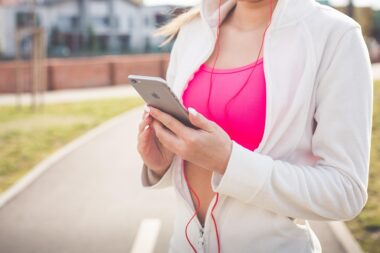
Choosing the right fitness equipment is vital for individuals with hearing impairments. Various options are available, each designed to meet specific needs and preferences. Equipment such as stationary bikes and treadmills with visual displays can help users track their progress effectively. Additionally, strength training machines equipped with visual timers can aid in maintaining focus during workouts. Resistance bands and dumbbells, which are versatile and user-friendly, allow for a broad range of exercises without needing sophisticated electronics. Group fitness classes that include visual or tactile signals can also create an engaging atmosphere, fostering community while addressing fitness goals. For instance, a class may use colored flags to indicate various activities or rest periods, ensuring participants stay engaged. Wearable fitness trackers with visual alerts are another great option. These devices provide feedback on performance through screens, helping users stay informed of their efforts. It’s essential to research brands that prioritize inclusivity. Accessibility features are increasingly common, so the right choices can make workouts enjoyable. Finding the right equipment tailored to individual needs plays a significant role in overall fitness success.
Technology in Adaptive Fitness
Incorporating technology into fitness equipment can revolutionize workouts for those with hearing impairments. Smart fitness devices like apps and virtual training platforms can enable users to engage in effective exercises from home. These platforms often utilize visual demonstrations, captions, and sign language options, making instructions accessible. Moreover, adaptive virtual trainers can cater to individual fitness levels and preferences, ensuring tailored experiences. Fitness apps can now provide analytics on performance through visual data, which can be beneficial for tracking progress. The rise of augmented reality (AR) in fitness apps also offers engaging alternatives to traditional workouts. For example, users can receive visual prompts while exercising, transforming workouts into interactive experiences. Furthermore, social media platforms and online workout communities allow individuals to share their fitness journeys. This can inspire motivation and provide resources. However, when selecting technological devices, users should ensure they meet their specific accessibility needs. Therefore, they should look for user-friendly products designed for inclusion. The synergy between fitness and technology enhances enjoyment and serves to motivate individuals with hearing impairments.
Another essential aspect of adaptive fitness for individuals with hearing impairments is the role of inclusive spaces. Gyms and fitness facilities can enhance accessibility by implementing various strategies. This could include staff training on sign language to better communicate with clients who are hard of hearing. Having visual cues in the gym environment, like signs and illustrations, is also increasingly beneficial to facilitate clear navigation and safety. Moreover, creating a quiet environment that minimizes background noise can prevent distractions. Offering designated classes specifically for individuals with hearing impairments can promote a sense of community and belonging. It is crucial to foster connections among participants who share similar challenges. This way, friendships can form, enhancing the overall fitness experience. Their emotional well-being will significantly improve due to this engagement. Community fitness events that encourage participation among hearing-impaired individuals also raise awareness about adaptive fitness. Collaborating with local advocacy groups can support these initiatives. Ultimately, creating welcoming environments where everyone feels accepted can help empower individuals to pursue their fitness goals effectively. More inclusive practices can lead to improved overall health and wellness.
Benefits of Group Activities
Participating in group fitness activities offers numerous benefits for individuals with hearing impairments. Group classes can foster camaraderie and build social connections, reducing feelings of isolation. Exercising alongside others promotes motivation and accountability. For instance, classes specifically designed for individuals with hearing impairments can utilize visual signals and tactile cues to enhance communication. This ensures that participants stay engaged with the exercise routine and with each other. Activities like yoga or Zumba provide opportunities for social interaction and expression. Class settings can also allow for shared challenges, promoting a supportive environment where members inspire one another. When engaging in workouts, it’s important to facilitate visually-expressive exercises. This encourages participants to express themselves freely and also empowers them with a concentrated focus on their fitness goals. Events hosted in community spaces can further raise awareness of adaptive fitness and the importance of inclusivity. Encouraging conversations and shared experiences within groups can provide benefits that extend beyond physical fitness. Creating supportive and understanding networks enhances emotional well-being among individuals with hearing challenges, leading to a fulfilled fitness journey.
Education and awareness around fitness for hearing impairments play critical roles in promoting adaptive fitness. Organizations and fitness leaders need to be proactive in providing resources and information to better support individuals with hearing challenges. Workshops and seminars focusing on adaptive fitness can educate trainers, gym owners, and the public about the needs of those with hearing impairments. Additionally, sharing success stories from individuals can inspire others to embark on their own fitness journeys. Resources can be made available online, catering to a broader audience. Access to informative articles, videos, and instructional content that highlights adaptive practices fosters understanding within the fitness community. With technology continually evolving, creating online content that targets accessibility is essential. Collaboration between athletes and fitness experts can ensure comprehensive knowledge about physical activity tailored to hearing impairments. By leading awareness campaigns, organizations can encourage inclusivity in fitness spaces. Ultimately, a more informed community promotes better resources and equipment that cater to diverse individuals. This creates opportunities for everyone to experience health improvements and enhanced fitness through adaptive methods.
Conclusion and Call to Action
In conclusion, adaptive fitness for individuals with hearing impairments requires focused attention on equipment, environment, and community initiatives. With tailored fitness solutions and technology, people with hearing challenges can successfully engage in physical activity. Fitness spaces must prioritize inclusivity and accessibility, ensuring that all individuals feel welcomed and supported. Therefore, gym owners and fitness professionals should actively seek knowledge and training to meet these needs. Encouraging group activities fosters motivation and builds community, which can positively impact mental well-being. As advocates for health and fitness, it’s essential to take steps toward promoting awareness and embracing adaptive practices. Everyone should be able to pursue fitness goals without barriers, whether in gyms or through home-based alternatives. Participation in workshops or community programs focused on adaptive fitness can lead to broader social support and improve physical capabilities. Together, we can foster a culture of inclusion in fitness, ensuring that pathways are open for all. By understanding the specific needs of individuals with hearing impairments and acting accordingly, we empower them to embark on fulfilling fitness journeys, enhancing both their health and quality of life.