
How Bullying Contributes to Stress in Children
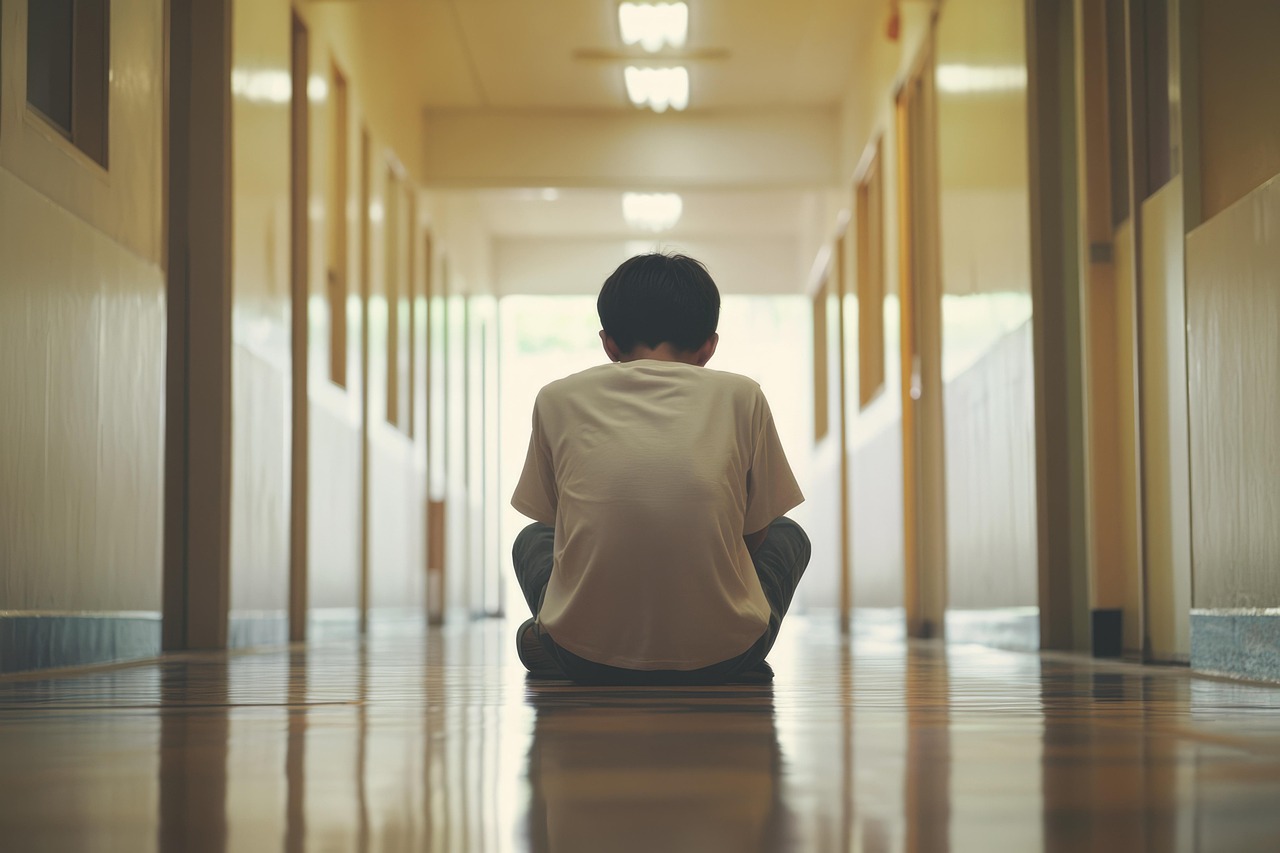
Stress in children can stem from various factors, with bullying being a significant contributor to emotional and psychological distress. Bullying behavior can lead to serious repercussions for children, resulting in long-term effects. When children are subjected to bullying, their self-esteem often diminishes, and they may experience feelings of isolation and inadequacy. This consistent harassment can elevate stress levels to extreme heights, which can manifest in various ways, including anxiety, depression, and behavioral issues. Children may struggle to cope with the ongoing threats of bullying, whether physical or emotional. This constant tension can impact their ability to formulate relationships with peers and engage in healthy social interactions. Furthermore, it’s essential for parents, educators, and communities to recognize the signs of stress in children caused by bullying. Developing intervention strategies is critical to address the emotional and psychological scars left by bullying. Early intervention, awareness programs, and supportive environments can significantly alleviate the impacts of bullying on children, fostering resilience and emotional well-being. Creating a culture of empathy and understanding among children is vital in combating this pervasive issue. Additionally, adult intervention can help to mitigate these stressors.
Bullying can manifest in various forms, including physical, verbal, and social bullying. Physical bullying often results in visible injuries, while verbal bullying can leave deep emotional scars. Children may face taunts, insults, or spreading of false rumors, leading to profound stress. Social bullying, although less visible, can be equally detrimental as it seeks to exclude or alienate a child from peer groups. The fear of being bullied may lead children to avoid school or social situations altogether, further exacerbating their stress levels. In this context, the impact of bullying extends beyond the immediate victim; it influences the broader school environment. A culture of bullying can create a toxic atmosphere where students feel unsafe and unlikely to engage socially. Schools must take an active stance against bullies, promoting kindness, respect, and inclusion. Teaching children about the value of empathy and the consequences of their actions can help mitigate the incidence of bullying. Encouraging children to speak up about bullying experiences empowers them and contributes to a supportive community. Programs that teach conflict resolution and interpersonal skills can form part of a comprehensive strategy aimed at reducing bullying and its stress-inducing effects.
The psychological impact of bullying on children can be profound and long-lasting. Children who are victims of bullying often report feeling helpless, anxious, and depressed, which can hinder their academic performance and social relationships. Research indicates that the stress from bullying can lead to physical symptoms, such as headaches and stomachaches, further complicating their school experience. Additionally, the emotional toll can lead to chronic stress, making children more vulnerable to numerous health issues later in life. It’s important that parents and educators understand the signs of stress in children who may be bullied. Symptoms such as withdrawal from social networks, declining grades, and changes in eating or sleeping habits can be indicators of bullying-related stress. Addressing these signs through constructive dialogue and supportive measures can help alleviate the negative impact. Children also need to learn coping strategies for dealing with the stress of bullying. Teaching relaxation techniques and encouraging open communication enables them to navigate these challenges more effectively. Mental health professionals should be involved when stress persists, ensuring that children receive the appropriate guidance and resources necessary to cope.
Importance of Bystander Intervention
Bystander intervention is crucial in the fight against bullying and its associated stress. When witnesses to bullying choose to intervene or report observed behavior, they can significantly impact the dynamics of the situation. Bystanders have the power to support the victim and deter the aggressor, ultimately fostering a more positive environment for all children involved. Teaching children the importance of speaking up is essential in creating a culture where bullying is not tolerated. Programs aimed at empowering bystanders can help shift the responsibility from victims to allies, promoting collective action against bullying. Children should be encouraged to recognize their role in the prevention of bullying, emphasizing that silence often enables aggressors. Empowered bystanders help to create a preventative community with empathy at its core. Schools can implement successful bystander intervention training, equipping students with skills to act responsibly and compassionately in bullying situations. Such initiatives can significantly reduce incidents of bullying and subsequently lessen the stress it produces in children. Moreover, supportive school environments enhance children’s social awareness and respect for one another, laying the groundwork for healthier interactions among peers.
In addition to direct interventions against bullying, fostering resilience in children is vital for protecting them against stress. Resilience can be nurtured through supportive relationships with parents and educators, who play a crucial role in a child’s emotional development. Teaching children problem-solving skills and encouraging them to pursue their interests can help them develop a stronger sense of self. A child with a solid support system is more likely to navigate the challenges posed by bullying and recover from stressful experiences. Resilience education should focus on promoting positivity, adaptation, and coping strategies, reinforcing children’s capacity to handle adverse situations. Programs that encourage teamwork and collaboration can also fortify children’s resilience, providing them needed skills to confront adversity. Engaging with peers in a supportive environment allows children to build their confidence and social-emotional skills. Schools that integrate social-emotional learning into their curriculum can create enriched environments that bolster resilience among students. Subsequently, this cultivates a generation of children who are better equipped to manage stressors, understand the implications of bullying, and foster positive relationships. Ultimately, promoting mental health is indispensable for thriving in a challenging world.
Support for Victims of Bullying
Support systems are vital for children who witness or experience bullying. Establishing channels for children to report bullying can incentivize them to speak out against their experiences. Confidential reporting mechanisms allow children to feel secure while addressing their concerns. It is imperative for caregivers, educators, and peers to foster a supportive climate that encourages open communication regarding bullying. Providing counseling resources or access to mental health professionals can play a crucial role in helping children process the traumatic events associated with bullying. These experts are equipped to help children cope with their feelings and implement strategies that minimize stress. Additionally, peer support groups offer children a sense of community, enabling them to share experiences, share coping mechanisms, and feel understood in their struggles. Parents and guardians should also aim to create an open dialogue with their children about bullying, allowing for honest conversations about fear or distress. Encouraging children to seek help and offer support to each other fosters resilience. Through ongoing support, children begin to heal and regain a sense of normalcy while learning to manage the stress associated with bullying in a healthier way. Such nurturing environments ultimately promote long-term well-being.
In conclusion, bullying significantly contributes to stress among children, affecting their emotional health and overall development. Recognizing the signs and symptoms of stress due to bullying is vital for prevention and intervention efforts. Society as a whole must work together to foster environments where bullying is recognized and mitigated effectively. Integrating educational programs that emphasize kindness, empathy, and resilience can empower children to combat bullying. Parents and educators should collaborate to create supportive communities that validate children’s feelings and promote mental well-being. The impact of bullying can reach far into adulthood if left unaddressed; therefore, proactive measures are essential. Children experiencing bullying necessitate understanding and compassion from those around them. Active involvement from peers, parents, and educators can make a difference, creating a culture that prioritizes kindness over cruelty. As we promote emotional intelligence and awareness, we develop a generation capable of addressing conflicts and forming supportive relationships. In turn, this reduces the prevalence of bullying, ultimately leading to healthier childhood experiences. Through concerted efforts, we can alleviate the stress on children caused by bullying, allowing them to flourish physically, emotionally, and socially.