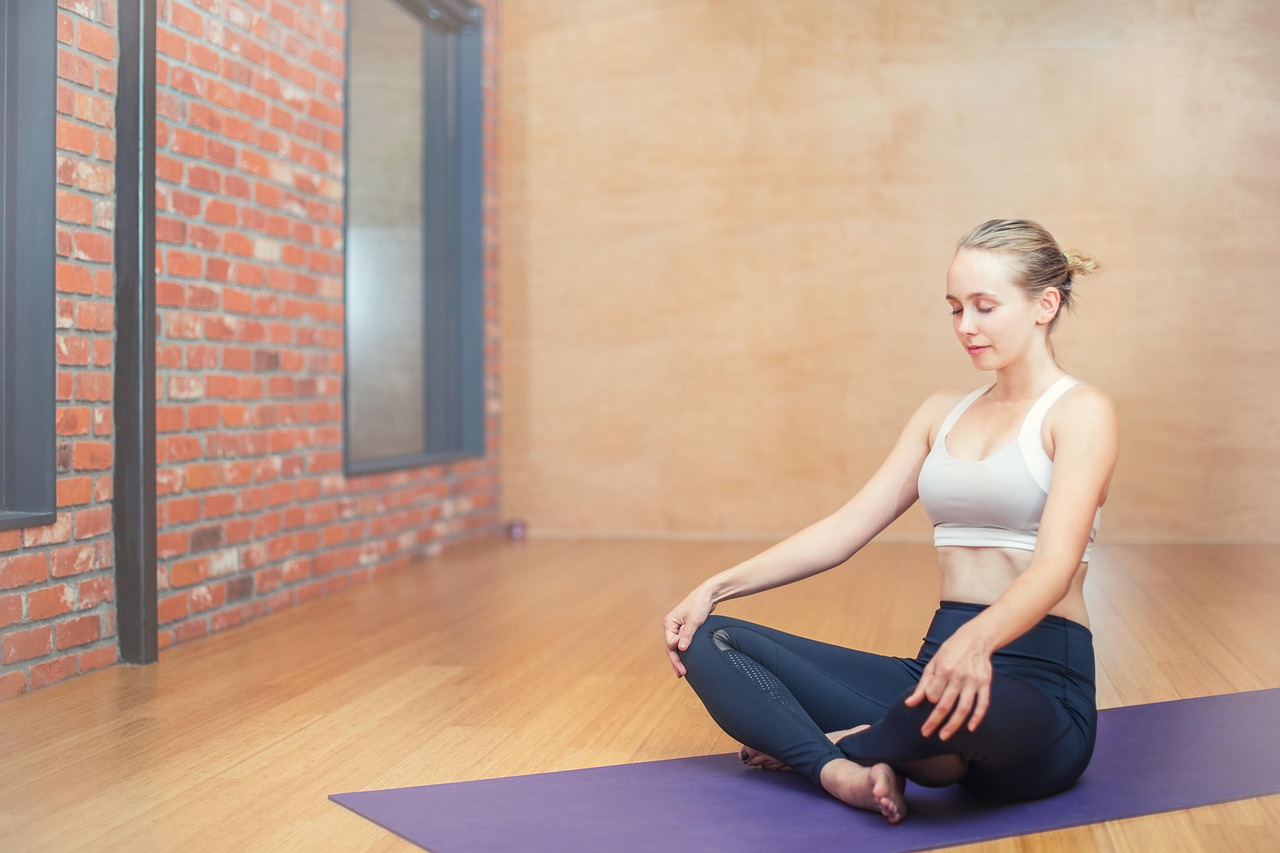

Incorporating Mindfulness and Relaxation in Senior Rest Days
Rest and recovery play crucial roles in ensuring overall health, particularly for seniors. As age progresses, the body requires sufficient time to recuperate from daily activities. Mindfulness can significantly enhance rest days, promoting an overall sense of well-being and relaxation. Incorporating mindfulness practices improves physical recovery and actively engages the mind, which is equally vital. Techniques such as meditation, deep breathing, or gentle yoga can be very beneficial. These activities help lower stress levels and maintain mental clarity. Tailoring a mindfulness routine allows seniors to choose practices that resonate with them. Listening to soothing music or practicing guided imagery can also enhance relaxation. Creating a comfortable and serene environment is essential for effective mindfulness sessions. This can include dimming lights, using scented candles or essential oils, and ensuring a quiet space where distractions are minimized. Additionally, hydration plays an important role in recovery. Seniors should remember to drink plenty of water during and after mindfulness activities. Establishing a set routine can also aid in building healthy habits to encourage relaxation and recovery during rest days. Remember, every little effort counts towards holistic well-being.
As one explores different methods to enhance rest days, the integration of relaxation techniques becomes increasingly relevant. Traditional methods such as napping can be complemented by mindfulness practices. A short afternoon nap can recharge energy levels, especially after physical activities. Integrating mindfulness exercises, such as progressive muscle relaxation, can also optimize the benefits of these naps. In this approach, seniors consciously tense and relax each muscle group. This method not only helps with physical relaxation but also aids in mental clarity and focuses on the present moment. Many seniors find that maintaining a consistent routine allows their bodies to recognize when it is time to rest. Keeping a diary to track feelings following rest days can further enhance understanding of the practices that work best. Moreover, exploring gentle stretches can help relieve tension in the body. Engaging in tranquil outdoor settings, like parks or gardens, can further amplify mindfulness experiences. The presence of nature provides a calming backdrop, promoting both mental and physical rejuvenation. Ultimately, the key to effective rest days lies in balancing mind and body relaxation techniques tailored specifically to each individual’s needs. This approach not only diversifies the recovery strategies but also enriches the entire resting experience.
Benefits of Mindfulness Practices
The integration of mindfulness practices during rest days provides numerous benefits for seniors. Firstly, these techniques can significantly enhance emotional health. Mindfulness fosters a deeper connection to personal thoughts and feelings, allowing individuals to process their emotions better. This improved emotional regulation can help alleviate symptoms of anxiety and depression, which can be prevalent among seniors. Furthermore, engaging in mindfulness exercises often leads to improved cognitive function. Sustained attention and concentration exercises essential for mindfulness can sharpen mental acuity. This cognitive stimulation helps maintain mental health and keeps the mind engaged as one ages. Additionally, mindfulness encourages better sleep patterns. Many seniors face issues with sleep, whether due to discomfort or anxiety. By establishing a bedtime routine incorporating mindfulness techniques, seniors often find themselves sleeping more soundly and waking refreshed. Moreover, balancing one’s physical state is another key benefit. Physical activities often lead to muscle tension, a common issue for seniors. Practicing mindfulness aids in recognizing and relieving this stress. Overall, the approach promotes choices that prioritize well-being while integrating rest and relaxation essential for recovery and rejuvenation.
Importantly, establishing a community around mindfulness practices can further enhance motivation for seniors. Joining local wellness groups or participating in online forums can provide social support while exploring relaxation techniques. Meeting peers with similar goals fosters a sense of unity and accountability, motivating participants to consistently engage in mindfulness activities. Activities such as group yoga sessions or meditation classes can encourage connection and foster friendships. These interactions often lead to increased enjoyment and satisfaction in the practice itself. Moreover, sharing experiences about what works and what challenges they face creates a supportive environment. Additionally, incorporating family members in mindfulness practices can create cherished bonding moments. Involving loved ones enhances encouragement and cultivates a collective mindset toward relaxation and recovery. Seniors can also benefit from technologies like apps designed for guided meditation, providing an easy means to access resources anytime. Continuing education regarding the benefits of mindfulness can stimulate broader awareness and interest. Educational programs specifically tailored for seniors can help spread knowledge about the importance of relaxation on rest days. Investing time in learning can lead to lifelong habits that promote wellness, resilience, and an enduring sense of community.
Practical Tips for Incorporating Mindfulness
Integrating mindfulness practices into rest days can be a simple and enriching process. Firstly, creating a designated space for relaxation can be beneficial. This should be a comfortable, quiet area where seniors can sit or lie down without interruptions. Secondly, developing a routine can help put mindfulness practices in perspective. Activities can be scheduled for specific times, such as morning or evening, ensuring consistency. Additionally, practicing short bursts of mindfulness, like concentrating on breath or gentle stretching, can be easily integrated throughout the day wherever one is. Another practical tip includes using technology to aid mindfulness. Apps on smartphones or tablets provide guided meditations and relaxation exercises, making it easier to practice mindfulness. Moreover, keeping a journal to document feelings post-practice can increase self-awareness and reflect on personal growth. Setting realistic goals also assists seniors in gradually building confidence in mindfulness techniques. Lastly, exploring various mindfulness styles can enrich one’s practice. Whether it be mindfulness walking, journaling, or visualization, diversifying practice isn’t only fun but can lead to discoveries about personal preference and effective methods for relaxation and recovery.
Lastly, as each individual embarks on the journey of incorporating mindfulness into rest days, patience is essential. Developing effective habits takes time and experimentation, especially for seniors. Trying new techniques allows individuals to discover what resonates most favorably in their lives. Each practice should be approached with an open mindset, allowing anyone the chance to grow through experiences. Acknowledging that everyone’s journey is unique also fosters appreciation for personal progress, regardless of speed. Moreover, consistent encouragement from peers or professionals throughout the process reinforces commitment and motivation. Those who guide elder mindfulness practices may provide insight, confidence, and support, helping many navigate potential challenges. In observing progress, individuals can recognize their growing ability to manage stress and enhance relaxation through mindfulness. Furthermore, celebrating small victories, such as achieving a consistent routine or successfully attempting a new technique, can boost morale. Ultimately, incorporating mindfulness into senior rest days can promote enhanced overall well-being. The approach significantly contributes to both physical recovery and emotional balance in day-to-day living. This holistic strategy fosters a healthier and more fulfilled lifestyle, allowing seniors to enjoy their golden years to the fullest.
Conclusion
In conclusion, integrating mindfulness and relaxation practices into rest days provides immense benefits for seniors. The emphasis on both physical and mental well-being establishes a solid foundation for recovery. Exploring different techniques tailored to individual preferences ensures a customizable experience that fosters engagement. Mindfulness practices, including meditation and gentle stretching, significantly improve emotional regulation, cognitive health, and sleep quality. Additionally, establishing community support through group activities or family involvement creates opportunities for bonding and shared experiences. Seniors should remain patient throughout their journey, acknowledging progress and celebrating achievements along the way. Moreover, technology can serve as an effective ally, offering accessibility to mindfulness resources conveniently and engagingly. With dedication, seniors can enhance their quality of life significantly and foster healthier lifestyles through the integration of mindfulness techniques into their daily routine. This holistic approach ultimately leads to a deeply enriching experience in both relaxation and recovery, providing seniors with the tools needed to thrive. Encouraging consistent engagement and exploration can ensure that mindfulness practices remain an integral part of their lives, allowing for a more joyful and enriched existence in these cherished years.