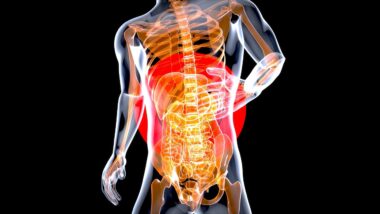

Daily Routines to Enhance Digestion Through Deep Breathing
Deep breathing is an effective technique that can significantly impact digestion and overall well-being. By engaging the diaphragm fully, we can stimulate the organs in the abdomen, promoting better digestion. Often our busy lifestyles lead us to take shallow breaths, which can contribute to stress and digestive discomfort. Incorporating deep breathing into daily routines can help counteract these effects. To begin, find a quiet place to sit or lie down comfortably. Focus on inhaling deeply through your nose, allowing your abdomen to expand. Hold your breath gently for a moment, then exhale slowly through your mouth, feeling your body relax. This practice not only helps ease tension but also enhances blood flow to the digestive organs, helping them function optimally. Aim to practice deep breathing for at least five minutes. Consider setting aside specific times during the day, such as after meals or during breaks, to reconnect with your breath. Make this a consistent part of your routine, and you’ll likely notice a reduction in digestive issues over time.
Another effective deep breathing technique is the abdominal breathing exercise. This method focuses on using your diaphragm correctly, ensuring full oxygen exchange. Start by sitting or lying in a comfortable position. Place one hand on your chest and the other on your abdomen. Inhale deeply through the nose, ensuring that your diaphragm inflates and the hand on your abdomen rises, while the hand on your chest remains relatively still. Hold your breath for a count of four, allowing oxygen to fill your lungs. Then, exhale slowly through your mouth or nose to a count of six. Repeat this process for five to ten minutes daily. This exercise helps to reduce stress levels and allows for better nutrient absorption in the digestive system. By improving oxygen flow, you support digestive function and alleviate any associated discomfort. Many find this technique beneficial when linking it with mindfulness practices or meditation. Furthermore, abdominal breathing can help cultivate awareness of bodily sensations, leading to a clearer understanding of individual digestive needs and triggers.
The Role of Mindfulness in Breathing
Combining mindfulness with deep breathing enhances not only your digestive health but also mental clarity. When practicing deep breathing, aim to incorporate mindfulness by focusing on the sensation of each breath. Notice how the air feels when it enters and leaves your body. Pay attention to the rise and fall of your abdomen as you breathe deeply. This heightened sense of awareness forms a connection between your mind and body, allowing you to recognize any tension or discomfort. Mindfulness also promotes relaxation, enabling the body’s natural digestive processes to work effectively. When daily stresses are put aside during these moments of deep breathing, the body’s functions can operate without hindrance. Developing this habit can lead to increased awareness of dietary choices and how they affect your digestive health. Keeping note of how particular foods make you feel after deep breathing sessions offers valuable insights. Aim to maintain this mindful approach, confronting any negative emotions or anxieties that may trigger digestive discomfort. This commitment positively influences overall well-being and supports a more harmonious relationship with food.
Deep breathing techniques can be particularly beneficial after meals. Often, after eating, the digestive system becomes quite active, and added stress or tension can hinder its functionality. Taking time to implement deep breathing shortly after consuming a meal helps alleviate any feelings of bloating or discomfort. Begin this practice by sitting in a comfortable position, placing both hands on your belly. Close your eyes and focus on your breathing. Inhale deeply and slowly, ensuring that your abdomen expands while holding for a moment before releasing the breath. This process fosters relaxation in the abdominal region, allowing the digestive organs to work more efficiently. You may find it helpful to visualize the food moving through your digestive system with each exhale, promoting a positive mental state regarding digestion. Research suggests that engaging in deep breathing exercises right after meals greatly reduces feelings of discomfort and increases satisfaction. As you practice this regularly, you may notice an improvement in digestion, allowing for a more enjoyable eating experience. Consistency is key in developing this habit, so make it a focus of your daily routine.
Integrating Breathing Techniques into Exercise
Incorporating deep breathing into your exercise routine can enhance both physical performance and digestive health. Activities such as yoga, pilates, or tai chi emphasize controlled breathing, which elevates blood flow and oxygen intake during workouts. These practices also bring a focus on relaxation and mindfulness, signaling the body to perform at its best. When actively engaged in exercises, pay attention to your breathing patterns. Aim to coordinate your breaths with movements, inhaling deeply while expanding and exhaling during the contraction. This synchronization improves your ability to manage stress during physical activities, ultimately benefiting digestion. Furthermore, engaging in regular exercise encourages digestive movements, helping to prevent constipation. When deep breathing accompanies exercise, it helps release endorphins that improve overall well-being. Consistency in integrating these techniques with your workouts will cultivate an enhanced mind-body connection. As a result, you’ll likely observe a notable improvement in both your physical performance and digestion. Both should support one another as you diligently foster these practices each day in your health journey.
Creating a designated space for deep breathing exercises can greatly enhance your practice. This area should be peaceful, allowing you to focus solely on your breath without distractions. Consider using soft lighting, comfortable seating, or cushions to create a soothing atmosphere. You might also include calming elements such as plants or soft music. When practicing deep breathing in a comfortable environment, it encourages relaxation and enhances the effectiveness of the exercises. Additionally, designating a specific time each day to practice deeply helps establish a routine that integrates easily into your lifestyle. Whether this is first thing in the morning or right before bed, consistency is essential. Each session doesn’t need to be lengthy; even five to ten minutes can provide substantial benefits to both digestion and mental clarity. Encourage family or friends to join you in these practices, enhancing social connection while nurturing your health. Reflecting on how each session impacts your mood or digestion can help build awareness and foster commitment to the routine. Embrace the journey towards better health through mindfulness and deep breathing as a continuous effort.
Conclusion: Embracing Deep Breathing for Life
Embracing deep breathing as a daily practice holds immense potential for enhancing digestion. The incorporation of this practice into your daily routine enables better overall health, influencing both physical and emotional well-being. Through mindful techniques such as abdominal breathing and integrating breathwork into exercise, you lay the foundation for improved digestive efficiency. Regular sessions should reduce stress levels while fostering relaxation to better absorb nutrients. Remember that creating a tranquil environment for these practices amplifies the benefits significantly. This commitment will not only help with immediate digestive discomfort but also promote long-term digestive health. Engage with this practice, be patient as you learn to develop your breath awareness, and gradually notice the improvements in your body’s response to meals. Over time, deep breathing can become a habit that sustains energy and vitality. Reflect on how this practice influences your relationship with food and emotions over time. Consistent dedication to deep breathing encourages a healthier, mindful, and more balanced lifestyle. Embrace this transformative journey, and witness the remarkable benefits unfold as you cultivate these valuable techniques daily.