
Combining Weight Training and Cardio Equipment for Balanced Fitness
Achieving a well-rounded fitness routine requires balancing cardiovascular exercises with strength training regimens. Many enthusiasts rely predominantly on one type, overlooking the potential benefits of integrating both approaches. Cardiovascular training enhances heart health, boosts metabolism, and aids in weight management. In contrast, weight training builds muscle strength, improves bone density, and elevates overall body composition. By harmonizing these exercises, one can experience holistic health benefits. A mixed routine enables clients to tap into the advantages of both, promoting physical fitness and mental resilience. The right balance reduces workout monotony and encourages long-term commitment to a healthier lifestyle. Starting with cardio equipment is an excellent gateway since it often appeals to various fitness levels. Whether using a treadmill, stationary bike, or rowing machine, cardio workouts can be modified to meet individual goals. Implementing a regimen that includes both modalities enables the body to adapt and strengthen differently, minimizing the risk of plateauing. Therefore, whether you’re a beginner or an experienced athlete, consider incorporating a mixture of cardio and weight training into your fitness routine for comprehensive results.
The Importance of Cardio Equipment
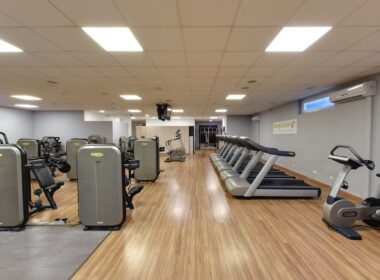
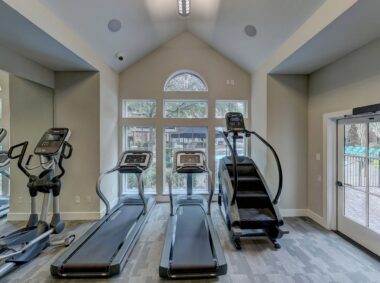
Cardio equipment plays a crucial role in any balanced fitness regimen. Not only do they provide varied workout options, but they also cater to different fitness levels and preferences. Equipment such as treadmills, ellipticals, and exercise bikes allows individuals to perform high-intensity workouts without impacting their joints. This makes cardio accessible for individuals recovering from injuries or those looking for low-impact alternatives. Additionally, regular cardio training improves cardiovascular endurance, ensuring that your heart pumps efficiently. Numerous machines also incorporate programmable workouts to keep experiences fresh and engaging. Oftentimes, addressing one’s cardiovascular fitness is fundamental before advancing to more intense weight training. Adapting to various cardio formats can enhance stamina, making weightlifting activities more productive. According to fitness experts, including machines in your regimen, generates interest while systematically improving physical capabilities over time. Moreover, many pieces of cardio equipment provide real-time feedback, enabling users to track their progress. This data can be vital for establishing personal fitness goals. Thus, investing in quality cardio equipment is vital in achieving a comprehensive and sustainable fitness plan that works effectively.
When focusing on efficient workouts, understanding the different types of strength training equipment is essential. While many people visualize dumbbells and resistance machines, the market offers diverse tools to enhance muscle tone and performance. Free weights, for example, allow for greater range of motion and improve coordination. Weight machines provide a controlled environment for beginners to practice and build confidence. Kettlebells and resistance bands are also increasingly popular due to their versatility in workouts. Each piece of equipment offers unique benefits and allows for differing workout styles. Learning how to incorporate these devices into your routines can elevate your strength training game, driving results. Additionally, using a combination of various equipment types prevents the body from adapting and plateauing. To maximize efficiency, it is vital to include a warm-up and cool-down along with your workouts. This practice reduces the risk of injury while promoting better recovery. Educating yourself on proper technique when using weights ensures exercises are performed effectively and reduces strain on the body. Ultimately, maximizing your strength training with proper equipment is pivotal for an effective fitness regimen.
Creating a Balanced Workout Plan
Crafting an effective workout plan that balances cardio and strength training might seem challenging, but it can streamline your fitness journey. Success often lies in scheduling workouts strategically throughout the week. Instead of segregating cardio and weight lifting days, consider a mixed-approach solution. This could mean alternating between cardio-focused days and strength-training days to promote recovery and reduce fatigue. Aim for at least three days of cardio and three days of strength training each week to maximize gains in both areas. Also, mixing high-intensity interval training (HIIT) with traditional cardio methods helps keep engagement high. Including both types of training within the same session can maximize efficiency. For instance, after completing your weight lifting circuit, you can dedicate the last segment of your workout to 20 minutes of moderate-intensity cardio. This not only improves endurance but also enhances workout effectiveness. Remember to listen to your body and adjust your plan based on how you feel. Incorporating rest days is essential for recovery and muscular growth, so be sure to include days designated for restorative practices to maintain a healthy balance.
Understanding how nutrition compliments your workout regimen can significantly elevate your results. Nutrition plays a vital role in fueling workouts and aiding recovery post-exercise. Consuming a balanced diet rich in complex carbohydrates, lean proteins, healthy fats, and essential vitamins enhances your body’s performance. Carbohydrates are particularly key in providing energy, especially for intense cardiovascular activities. On the other hand, proteins contribute to muscle repair and growth, making them indispensable for strength training. Adequate hydration is also crucial during workouts – water intake helps maintain energy levels and reduces the risk of fatigue. Planning pre- and post-workout meals helps optimize opportunities for recovery. Ideally, eat a meal that includes both carbs and proteins within a few hours after workouts to replenish energy stores and repair muscle fibers. Engaging with a nutritionist or fitness coach may provide additional insights on tailored meal planning along with your workout routines. A well-balanced diet enhances not only workout performance but also overall health. Prioritizing nutrition and workouts cohesively generates sustained results you desire and contributes to achieving your ultimate fitness goals.
Monitoring Progress
Tracking progress in both cardio and strength training is vital for ongoing motivation and success. Recording your workouts helps identify patterns, challenges, and accomplishments. Monitoring tools, such as fitness apps, heart rate monitors, and wearable technology, allow real-time tracking of performance metrics. By analyzing data such as distance covered, calories burned, or weights lifted, you can adapt your workouts for continuous improvement. Setting measurable goals creates a clearer path toward achieving desired outcomes. For instance, if your goal is to improve endurance, focusing on gradually increasing running distance within a specific timeframe can provide measurable benchmarks. Additionally, strength goals can involve tracking the amount of weight lifted over time and adjusting workouts accordingly. Regular assessments guide your workout strategies and maintain accountability. Additionally, focusing on specific performance targets can motivate individuals to challenge themselves further. These small victories can encourage consistent workout engagement and foster a sense of accomplishment. In summary, making progress visible not only boosts motivation but also helps identify potential adjustments needed to improve your fitness journey over time.
In conclusion, combining weight training and cardio equipment effectively is essential for achieving balanced fitness at every level. The synergistic approach enhances cardiovascular health while providing strength improvements, creating a comprehensive workout regimen. By integrating both elements into your routine, you enjoy not only physical benefits but also mental and emotional support through varied exercises. Essential aspects, such as proper nutrition, rest, and tracking progress, underline the significance of a holistic strategy. As you navigate your fitness journey, continuously adapt your regimen to meet your evolving goals. Whether it’s a preference for high-intensity workouts or moderate-paced training, flexibility within your plan fosters long-term engagement. Furthermore, developing a support system of friends, community, or fitness professionals can boost accountability and encouragement. Always prioritize safety and form to reduce injury risks while emphasizing that enjoyment and wellness are the ultimate objectives. Explore various exercises to keep experiences fresh, promoting adherence to your fitness plan. Take the time to educate yourself while enjoying the process of progress. Fitness isn’t merely about aesthetics; it encompasses overall well-being that contributes positively to your quality of life.
Achieving a well-rounded fitness routine requires balancing cardiovascular exercises with strength training regimens. Many enthusiasts rely predominantly on one type, overlooking the potential benefits of integrating both approaches. Cardiovascular training enhances heart health, boosts metabolism, and aids in weight management. In contrast, weight training builds muscle strength, improves bone density, and elevates overall body composition. By harmonizing these exercises, one can experience holistic health benefits. A mixed routine enables clients to tap into the advantages of both, promoting physical fitness and mental resilience. The right balance reduces workout monotony and encourages long-term commitment to a healthier lifestyle. Starting with cardio equipment is an excellent gateway since it often appeals to various fitness levels. Whether using a treadmill, stationary bike, or rowing machine, cardio workouts can be modified to meet individual goals. Implementing a regimen that includes both modalities enables the body to adapt and strengthen differently, minimizing the risk of plateauing. Therefore, whether you’re a beginner or an experienced athlete, consider incorporating a mixture of cardio and weight training into your fitness routine for comprehensive results.