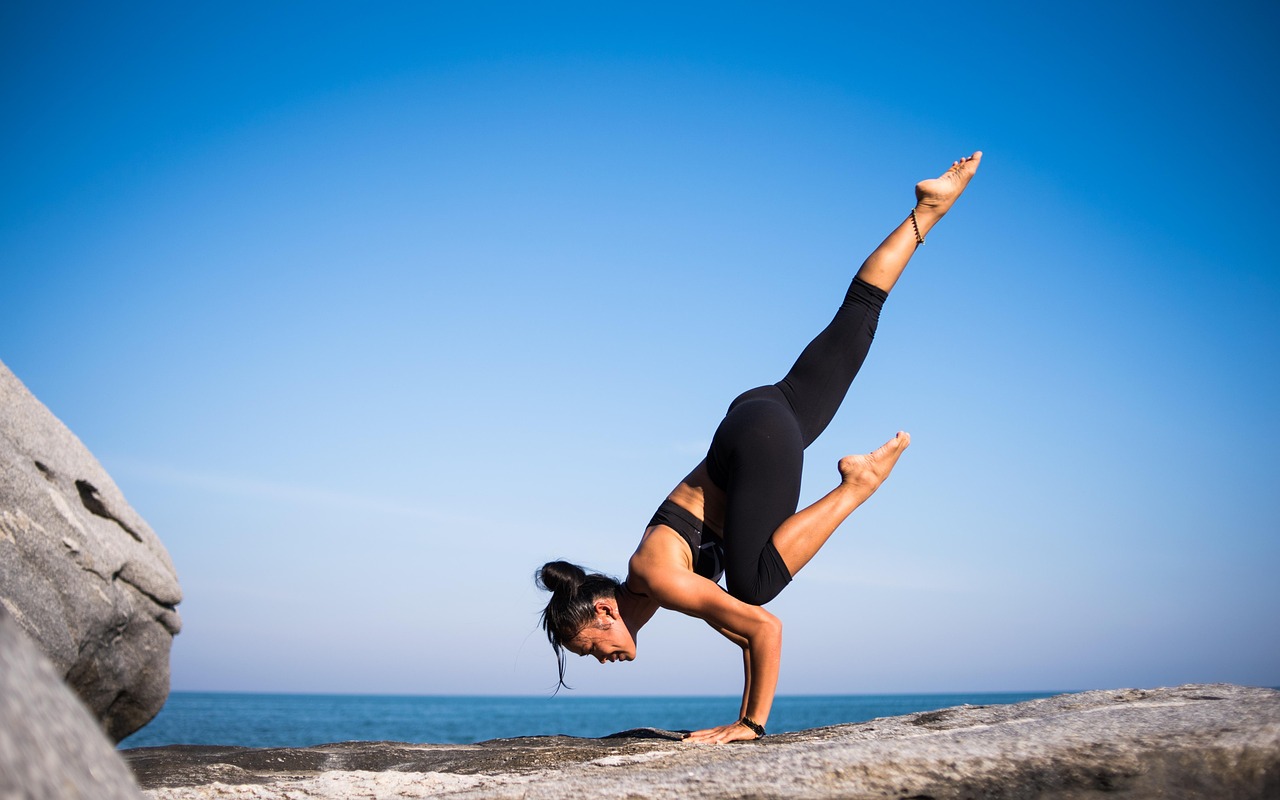

Dynamic Outdoor Exercises to Build Stability and Coordination
Outdoor workouts provide a fantastic opportunity to engage in stability and balance exercises while soaking in the fresh air. They are not only beneficial for physical health but also enhance mental well-being. Incorporating dynamic movements into your fitness routine can improve coordination, strength, and proprioception. This guide focuses on exercises perfect for outdoor settings that challenge your body and contribute to overall stability. While performing these exercises, it’s essential to maintain proper form to minimize the risk of injuries. Ensure adequate warm-up and cool-down to prepare your muscles and joints for more intense activities. Equipment for these sessions can be minimal, using just your body weight or basic items readily available outdoors, such as benches, rails, or even grassy fields. Make sure to wear appropriate footwear to provide good traction and support during your workouts. Explore various terrains to add complexity and variability to your routine, like grass, sand, or trails. By varying your environment, you can maximize your workout’s effectiveness while keeping things interesting.
One effective way to build stability and balance is through the incorporation of lateral lunges. This exercise targets multiple muscle groups, like your quadriceps, hamstrings, and glutes. Begin standing with your feet shoulder-width apart and take a wide step to the right, bending your right knee while keeping your left leg straight. Push off with your right foot to return to the starting position. Switch sides and repeat, ensuring your movements are controlled and deliberate. For increased difficulty, try adding a twist at the waist as you return to the center, engaging your core even further. Completing three sets of 10-15 repetitions per side will yield favorable results in stability. This dynamic exercise allows you to work on coordination as you shift your weight while maintaining balance. Remember to breathe throughout the movement, as this aids in overall performance. Additionally, consider pairing lunges with arm movements, such as reaching overhead, to enhance coordination. Your upper body should move harmoniously with your legs to establish a seamless connection throughout your exercises.
Incorporating Stability Ball Exercises
Use of a stability ball outdoors provides an excellent means to enhance core strength and improve overall balance. Start by practicing exercises such as seated ball balance, where you sit on the ball with feet planted firmly on the ground. Engage your core and maintain a tall posture, and hold for approximately 30 seconds to a minute. As you progress, lift one foot off the ground and hold for a duration, switching feet periodically. This will engage your stabilizer muscles, aiding in enhanced balance and coordination. Another variation includes wall squats with the stability ball. Lean against the ball, which rests on a wall while performing squats. Ensure your knees are aligned over your ankles for stability and to prevent strain. This method not only targets your lower body but also emphasizes core activation. Engaging multiple muscle groups simultaneously will enhance overall effectiveness significantly. Perform three sets of 10-12 repetitions for the wall squats and gradually increase the duration of the balance holds for better results. Ensure you listen to your body and modify as necessary.
To take your training outdoors, consider integrating agility ladder drills. These drills can be performed with simple equipment while still being highly effective for improving coordination and balance. Set up an agility ladder on the ground, ensuring it is stable and securely positioned. Begin with simple movements such as lateral shuffles, in-and-out movements, or single-leg hops along the ladder rungs. Focus on maintaining a quick pace while ensuring that your feet land within the designated spaces. These exercises not only enhance balance but also improve foot speed, crucial for athletes and fitness enthusiasts alike. The dynamic nature of agility drills will engage multiple muscle groups, enhancing stamina and reaction speed. Incorporate drills for about 15-20 minutes into your outdoor workout sessions. As you become proficient, increase complexity by adding increased speed or additional movements, such as high knees or crossovers. This will provide a diverse challenge to your body, developing functional strength. Engage your mind and body while enjoying the rhythm and flow of the workout outdoors amidst nature.
Enhancing Balance with Stability Challenges
Another excellent method to build stability is by incorporating balance challenges such as single-leg stands or balance beams. Start by practicing standing on one leg for an extended period. Many variations exist here, including closing your eyes or performing slight movements while balancing. This helps train your body to engage stabilizing muscles effectively. Adding dynamic elements, like tossing a light object or a ball while balancing, can further challenge your coordination. Use sturdy surfaces, like park benches, to support balance training if you wish to take it a step further. Walking along the edge of a low bench mimics beam walking, thereby enhancing stability and confidence. Ensure you engage your core and maintain a neutral spinal position throughout any balance exercise. Aim to practice balance challenges for a minimum of 5-10 minutes at the end of your sessions to maximize effectiveness. Challenges can be increased gradually by altering the surroundings or intensity. Practicing regularly will not only improve your skills but will also translate to real-world activities and sports.
Incorporating mythical motions or movements mimicking animals can also be both fun and beneficial for coordination and stability. Begin with bear crawls, where you move on all fours while keeping your hips low and your knees off the ground. This will engage your upper body and core while improving balance as you move. Experiment with different terrains outdoors, whether on grass or near a sandy area. Follow this up with crab walks, where you sit on the ground, lift your hips, and walk backwards. This exercise reinforces shoulder stability while engaging the legs. Balance would require coordination, making both of these dynamic movements challenging yet effective. They provide a playful alternative enhancing regular workout routines. Aim for three sets of 10-12 steps for both drills. Ensure to remain focused while performing these movements, as the element of play introduces a fun dynamics. Coordinate with a partner for added motivation and encouragement during these excavations. Engaging in playful movements can dramatically lighten the workout atmosphere while still achieving beneficial results.
Cool Down and Stretch
It’s essential to conclude your outdoor workout with a proper cool-down and stretching routine. After finishing your dynamic exercises, take a few minutes to allow your heart rate to return to its resting point. Walking slowly around the area can help with this process. Following this, implement static stretches targeting all major muscle groups engaged during your workout. Hold each stretch for 20-30 seconds to ensure muscle recovery and flexibility. As you stretch, remember to breathe deeply, focusing on relaxing your body. Consider integrating poses similar to yoga, such as the downward-facing dog or warrior to promote further balance and flexibility. These stretches can also facilitate blood flow to provide relief for any tension built up during your routine. Ending your workout with stretching not only improves flexibility but can also assist in the recovery process and prevent injuries. Embrace the tranquil outdoor environment, allowing nature to aid in your relaxation. Regularly stretching post-workout will lead to improved performance and overall stability in your fitness journey.
Engaging in outdoor stability and balance exercises has numerous benefits for overall physical fitness. By incorporating these exercises into your workout routine, you will sharpen your coordination skills, enhance core strength, and promote full-body stability. All of this can lead to improved performance in various sports and physical activities. As you consistently practice these dynamic movements, the benefits will not only surface in workout sessions but will also be evident in daily activities. A focus on stability can significantly reduce the risk of injuries at any age. Set realistic goals for your outdoor workouts, focusing on short-term achievements while retaining awareness of your long-term fitness objectives. Take the time to evaluate your progress and adjust activities as needed. Celebrate milestones and improvements, motivating you to keep pushing forward. Engage with fellow fitness enthusiasts, as sharing experiences can create a positive workout environment. Ultimately, the journey is about personal growth, health, and enjoying the experience while surrounded by nature. So venture outside, test your limits, and explore which dynamic exercises work best for you!