
Keto for Women: Exercise Considerations
When embarking on a Keto diet, women must consider how exercise fits into their lifestyle. Combining low-carb eating with regular physical activity can yield significant health benefits. However, the body may react differently. Initially, during a carbohydrate restriction phase, energy levels can fluctuate. Many women experience fatigue and dehydration. This affects performance in workouts and overall energy. It’s important to gradually ease into exercise to allow the body to adapt.
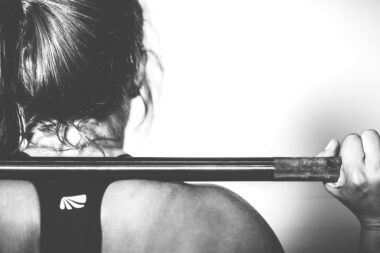
Additionally, strength training is an important aspect of fitness, especially on a Keto diet. Women should aim to incorporate resistance training exercises into their routines. This helps in preserving lean muscle mass while burning fat for energy. Prioritize compound exercises that engage multiple muscle groups, such as squats and deadlifts. Maintain a consistent schedule to build strength effectively. Coupling resistance training with adequate protein intake is essential for muscle recovery and growth.
Adapting Cardio Workouts
Cardiovascular exercises also play a crucial role. However, transitioning to a Keto diet may necessitate changing cardio intensity and duration. Initially, it may be beneficial to reduce intense cardio sessions, focusing instead on moderate-intensity activities. Regular activities like brisk walking or cycling can maintain cardiovascular health, with lower risks of burnout. It can be helpful to monitor your heart rate during these sessions to ensure you are within an optimal zone.
To enhance endurance, women can consider interval training. This involves alternating between high and moderate intensities. Additionally, it keeps workouts engaging and can help optimize fat burning. Explore various aerobic activities to discover what works best for you. Hydration remains critical during these workouts, especially on a Keto diet, which is often diuretic. Stay mindful of replenishing electrolytes like magnesium, potassium, and sodium after spillage through sweat.
Recovery and Nutrition
Recovery is an essential aspect of any fitness regime, particularly when following a Keto diet. After workouts, prioritize nutritional intake for optimal recovery. Aim to consume meals rich in protein and healthy fats within the post-exercise window. This helps rebuild muscle and replenish energy stores. Consult a nutritionist to learn which foods best align with your goals. Experimenting with different food types can clarify what works best for your body, ensuring you feel energetic.
Balancing rest days is also crucial. During these days, allow your body to recuperate fully from exercise stresses. Active recovery, such as light stretching or yoga, can aid in this process while still promoting movement. Remember that consistent exercise has cumulative benefits over time, and patience is key. Establishing a long-term workout routine is far more beneficial than short bursts of activity without structure.
Listening to Your Body
Listening to your body is vital when exercising on a Keto diet. Every woman’s body responds uniquely to dietary changes and activities. Pay attention to signs of fatigue, energy levels, and hydration. Adjust your regimen as needed to ensure your health remains a priority. Avoid pushing through fatigue, as this can lead to injury or burnout. Adapting your workouts will enhance your overall fitness experience and help prevent any setbacks.
Finally, consult with a healthcare professional before making significant lifestyle changes. They can provide tailored advice aligning with your specific health conditions and goals. This supports a more personalized approach to fitness on Keto, ensuring sustained results. Remember, a successful fitness journey emphasizes flexibility, patience, and consistency. Focusing on your well-being will yield the best outcomes over time, creating lasting lifestyle changes that resonate positively in your life.