
Guided Breathing Practices for Managing Back Pain
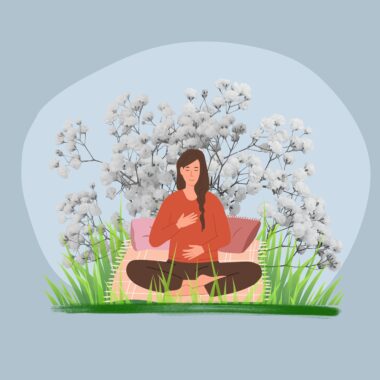
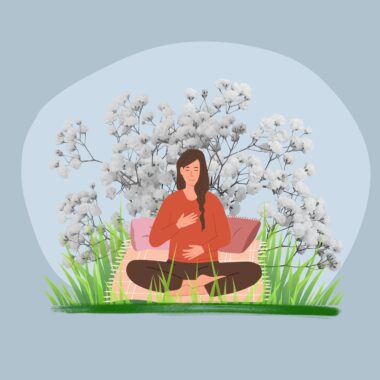
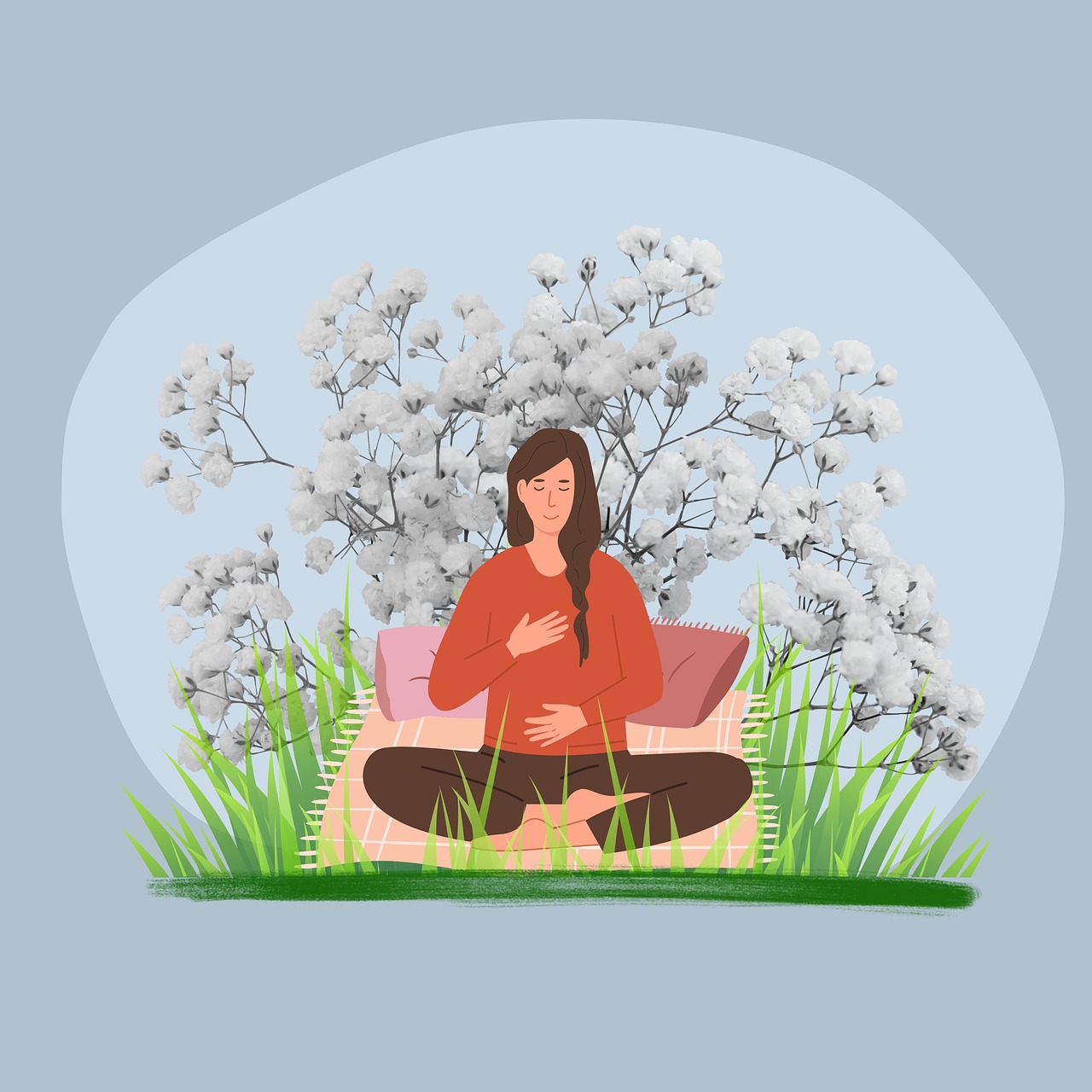
Back pain can make everyday activities quite challenging. Guided breathing techniques can significantly help in managing this pain. These techniques help to calm the nervous system, reduce stress, and promote relaxation, which in turn may assist in decreasing pain perception. One of the key methods to utilize is diaphragmatic breathing. This technique involves deep breathing through the diaphragm rather than shallow chest breathing. Begin by finding a comfortable position, either sitting or lying down. Place your hands on your abdomen and feel it rise as you inhale deeply through your nose. Exhale slowly through your mouth, ensuring that the abdomen falls during the exhalation process. Repeat this for several minutes, focusing on the rhythm of your breath. You might find it helpful to count your breaths or visualize calming imagery. Over time, this practice can enhance your body’s natural pain management abilities while promoting overall wellness. Implementing guided breathing into a daily routine may yield measurable benefits, especially when combined with other pain management techniques, such as physical therapy or medication.
Understanding the Connection Between Breathing and Pain
Understanding how breathing affects pain can significantly improve management practices. Our body reacts to emotions by tightening muscles, especially in the neck and back regions. When we are stressed or in pain, our breath tends to become rapid and shallow. This creates a vicious cycle, leading to increased tension and heightened pain sensation. By learning to control and regulate breathing, we can intervene in this cycle. Another vital technique is pursed-lip breathing. This method encourages longer exhalation times, enhancing oxygen exchange and reducing feelings of breathlessness. To practice pursed-lip breathing, take a deep breath in through your nose for two counts. Then, purse your lips as if preparing to whistle and exhale slowly for four counts. This practice can help alleviate anxiety during painful episodes. Regular practice may enhance lung capacity and improve emotional regulation, further aiding in pain management. Combining these breathing techniques with mindfulness practices can also support mental clarity and emotional stability, fortifying the overall effectiveness of your pain management routine.
Incorporating guided breathing with mindfulness can deepen your experience of relaxation. Mindfulness encourages present moment awareness, allowing you to observe sensations without judgment. Start a session by sitting comfortably, closing your eyes, and taking a few deep cleansing breaths. Focus your attention on your breathing, noticing the rise and fall of your abdomen. As thoughts arise, acknowledge them and gently guide your attention back to your breath. This simple practice can help reduce the emotional response to pain, allowing for a more relaxed state. Moreover, practicing guided visualization alongside breathing can empower your pain management approach. Visualize a serene place where you feel safe and relaxed. Each time you inhale, imagine drawing in peaceful energy. As you exhale, visualize tension and pain leaving your body. Consistency is key; dedicating a few minutes each day towards this practice can stimulate positive changes in both your mental and physical states. With time and commitment, these techniques can become powerful tools in your back pain management toolkit.
Creating a Suitable Environment for Practice
Establishing a conducive environment is crucial for effective practice. Aim for a quiet space where you can focus on your breathing without disturbances. Dim the lights and arrange comfortable seating or lying options using cushions or blankets. The atmosphere should promote relaxation, so consider playing soft instrumental music or nature sounds. Aromatherapy can also enhance the experience; using essential oils like lavender or chamomile may further calm your mind and body. Ensure proper ventilation and comfortable room temperature to enhance your relaxation. Prior to starting, set an intention for your session. This could be relieving pain, enhancing relaxation, or promoting healing. A clear intention can guide your practice. Begin with 5 to 10 minutes and gradually increase the duration as you become more comfortable with the technique. Documenting your experiences in a journal after each practice can also provide insights into what works best for you and how your pain management improves over time. This practice can become a powerful ritual in your daily life, promoting overall well-being.
In addition to being helpful at the moment, regular guided breathing practices can lead to long-term improvements in pain management. Consistency in practice encourages neural pathways responsible for relaxation and pain tolerance to strengthen, resulting in reduced pain perception over time. Creating a structured routine, such as practicing in the morning or before bedtime, can enhance the overall effectiveness of these techniques. Integrating them with other healthy habits, like regular physical activity, proper hydration, and balanced nutrition, may also support your body’s ability to manage pain. Consider working with a healthcare professional to tailor a pain management program that includes these techniques alongside appropriate medications or physical therapies. Always listen to your body during practice; it’s essential to adjust techniques accordingly to find what feels best and most beneficial for you. Remember that healing is a journey, and self-compassion is vital along the way. Utilize guided breathing as a valuable tool and continue exploring other practices that resonate with your personal pain management needs.
Seeking Professional Guidance
While guided breathing can be beneficial, seeking professional guidance can elevate your experience. Consider consulting with healthcare professionals, such as physical therapists or certified breathing instructors. They can provide personalized recommendations based on your unique situation. These experts may introduce tailored breathing techniques suited for specific types of back pain, ensuring optimal benefits. Furthermore, engaging in group sessions or workshops focused on breathing for pain management can create a supportive community and motivate you to maintain consistency in practice. Such environments foster sharing of experiences and techniques among participants. Joining community classes may also provide access to resources and ongoing support. Incorporating additional disciplines like yoga or tai chi can enhance your breathing practice. These methods often include mindful movement, which can further reduce tension and enhance the benefits of focused breathing. Always stay open to trying new approaches, as individual needs and responses may vary widely. Finding what resonates and aligns with your pain management strategy can greatly enhance your quality of life and allow for more engagement in daily activities.
As we conclude, remember that guided breathing techniques offer a valuable method for pain management, particularly for back pain. Implementing these techniques can help reduce stress, promote relaxation, and improve overall wellness. Each individual’s journey with pain is unique, and exploring these practices requires patience and dedication. You might find relief not only through physical interventions but also through mental and emotional strategies. Make guided breathing a part of your daily routine, setting aside time to practice and explore different techniques. Take notes on your progress, identifying moments of relief and increased awareness around your pain. Collaborate with supportive professionals and others in your journey to optimize your pain management strategy. Embrace the journey of exploration as you uncover what works best for you. Healing is multidimensional; combining various techniques creates a comprehensive approach to managing back pain. Above all, be gentle with yourself and recognize each small progress as a step towards a healthier, pain-managed life.