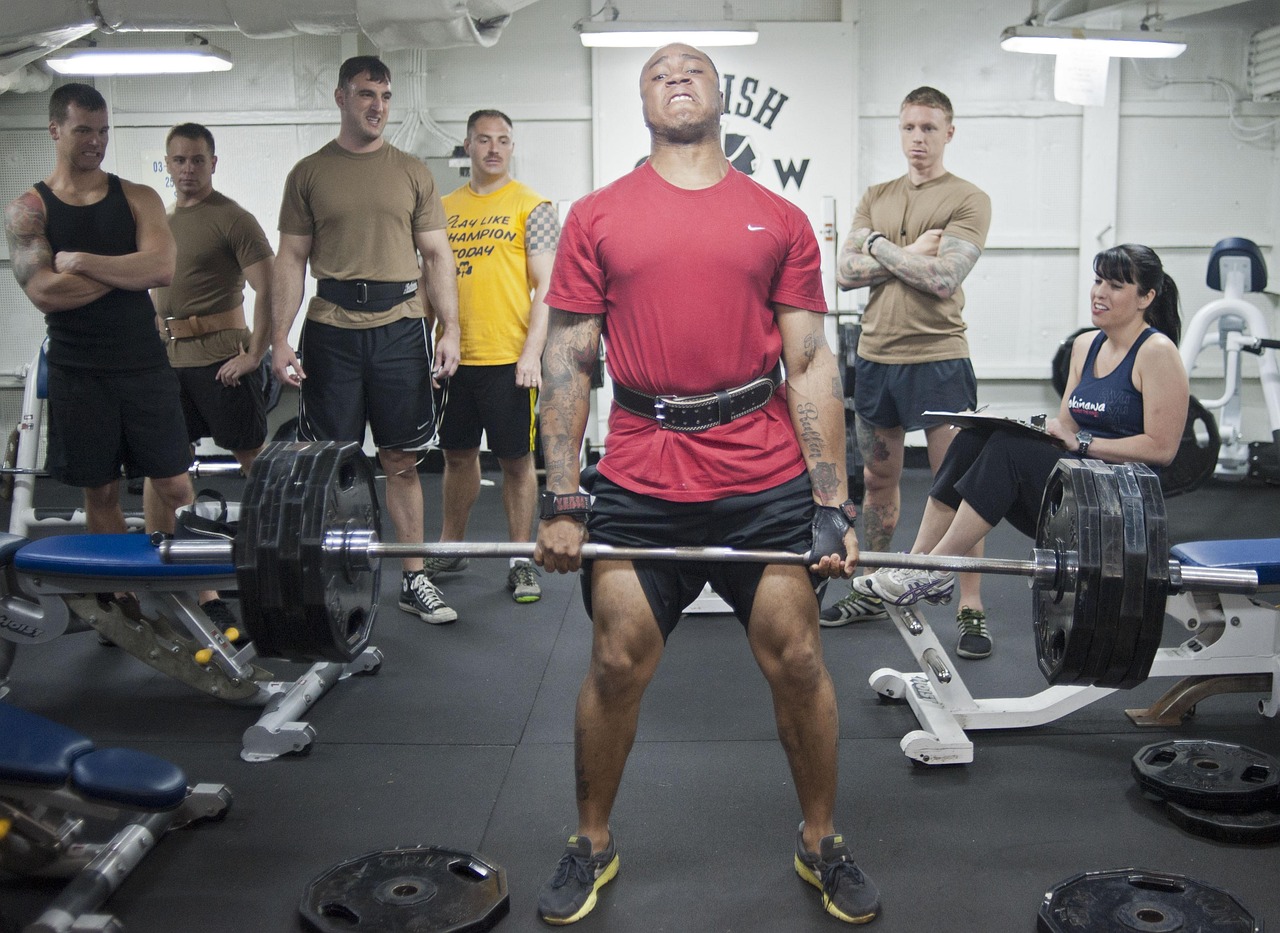

Mastering the Deadlift: Essential Technique Drills for Beginners
The deadlift is a fundamental lift in weightlifting that helps build overall strength and muscular development. It primarily targets the posterior chain, including the hamstrings, glutes, and lower back. For beginners, mastering this lift is crucial, and specific technique drills can help improve form and efficiency. Identifying an appropriate starting weight is essential, as lifting too heavy can lead to improper form and potential injury. Beginners should focus on gradual progression. Incorporating drills into their training regimen can provide the necessary practice to establish correct movement patterns. Understanding the mechanics of the deadlift, including hip hinge and bar path, will aid in the learning process. Regularly practicing these drills will help refine motor patterns, making it easier to transition to heavier lifts in the future. Additionally, using mirror feedback or recording oneself can aid in recognizing form issues that may need addressing. This self-assessment fosters correction and improvement through each lift. By remaining committed and focused on technique, beginners can excel in deadlifting.
One effective drill for beginners learning the deadlift is the hip hinge drill. This exercise emphasizes proper hip movement and emphasizes the importance of using the hips rather than the back for lifting. To perform the hip hinge, stand tall with feet hip-width apart, slightly bending the knees. From this upright position, push the hips backward while maintaining a flat back until you feel a stretch in the hamstrings. This crucial movement patterns isolates the hips, reinforcing the awareness of movement initiation during the deadlift. Initially, use a dowel rod or broomstick for feedback on maintaining alignment and connection to the body. Ensuring the rod touches the head, upper back, and tailbone throughout the movement helps guide beginners toward proper alignment. Once comfortable, practicing the hip hinge with a light weight as a barbell can facilitate a smooth transition to an actual deadlift. This drill builds confidence while simultaneously reinforcing the wiring of correct biomechanics. Regularly incorporating this drill can lead to improved form that translates well into heavier lifting sessions.
Another vital technique drill for beginners is the deadlift from a box. Utilizing a box or elevated surface allows for focusing on establishing the initial lift-off position while minimizing the risk of injury. First, select a box height that permits practicing the deadlift without overstretching. Stand in front of the box, ensuring the feet are planted firmly with grip on the barbell. As you prepare to lift, focus on creating tension throughout the entire body and ensuring proper foot placement. The key element here is to maintain the bar close to the body, engaging the lats for support. Begin the movement by hinging at the hips while breaking at the knees simultaneously. This coordinated movement improves lift initiation and allows beginners to reinforce the feel of starting the lift with their legs. Practicing from a box enhances awareness of positioning, preparing lifters for the lift-off phase and aiding in developing strength through the sticking point. Repeat this drill consistently, making it an invaluable part of your overall training regimen for improved performance.
At this point, incorporating pauses into deadlifts is beneficial for mastering technique. Performing paused deadlifts can help develop strength in specific phases of the lift, focusing on maintaining form. To perform a paused deadlift, lift the barbell to a normal height, then pause for a moment approximately halfway up the movement. Focus on maintaining core stability and proper alignment while paused, avoiding any rounding of the back. This drilling method enhances positional awareness and reinforces the muscle engagements needed to lift the barbell successfully. Perform this drill lightly to ensure technique perfection. Take note of how long you’re pausing in the lift as each pause can positively impact strength gains significantly. Adjust your position and engage in continuous feedback throughout this drill. Pausing at three crucial positions—floor, knee, and lockout—creates a complete understanding of the deadlift mechanics. Using this method can enhance overall lifting capacity due to the heightened awareness of maintaining optimal body alignment, aiding future progression. Aim to include paused deadlifts into your weekly routine for significant strength improvements.
Using Accessories to Improve Technique
Accessories can also contribute to mastering the deadlift, especially for beginners. Incorporating resistance bands creates additional tension, ultimately enhancing stability and strength through the lift. Placing bands around the barbell throughout the movement emphasizes pulling against resistance, ensuring muscle engagement is correct. Resistance bands can help teach lifters how to maintain proper positioning when initiating the deadlift. As you lift, the bands increasingly pull downward, reinforcing the importance of maintaining back integrity and an upright torso. This technique addresses common beginner issues like rounding the back or poor lift initiation. Moreover, kettlebell swings parallel the deadlift’s movement pattern, emphasizing hip drive and explosive strength. Utilizing kettlebell swings improves posterior chain development while enhancing hamstring coordination, allowing for smoother transitions to the deadlift. Exercises such as Romanian deadlifts, which target hamstring flexibility and strength, can also help reinforce the critical hinge motion. Consistently integrating these accessory movements into a lifting program will allow beginners to build toward effective deadlifting performance while cultivating progressive improvements.
Lastly, considering the mental aspect of technique is crucial for mastering the deadlift. Visualization techniques can boost confidence and performance, creating a mental blueprint of the deadlift. Before lifting, mentally rehearsing each phase of the deadlift can aid in setting the proper mindset for success. Visualizing the movement helps reinforce the neural pathways associated with executing proper form. Focusing on the bar’s path, body alignment, and stability allows beginners to familiarize themselves with the technique. Additionally, utilizing positive self-talk can encourage maintaining a strong mindset throughout training sessions. Remind yourself of proper movements, recognizing how practice translates to improvement. Practicing breath control creates resilience under tension. Engage in diaphragmatic breathing to maintain relaxation before you lift, reducing anxiety. Regular emphasis on mental preparedness will lead to better focus during lifts, ultimately showcasing in consistent results. Reflect on progress, whether it be with added weight or refined form. By mentally reinforcing technique and cultivating positive habits, beginners can master the deadlift more effectively, setting the groundwork for advanced lifts in their future lifting journey.
Conclusion: Building a Strong Foundation
In conclusion, mastering the deadlift through technique drills is essential for beginners embarking on their weightlifting journey. Implementing specific drills enhances understanding of proper biomechanics and form neuromuscular efficiency. Through exercises such as the hip hinge, box deadlifts, and paused variations, beginners can strengthen their technique significantly. Incorporating accessories like resistance bands and kettlebell swings also enhances overall strength development. However, addressing the mental aspect will solidify these gains, showcasing how visualization and positive reinforcement can transform performance. Commit to understanding every phase of the lift and recognize the importance of consistent practice leading to improvement. Begin each training session by reinforcing the foundations of a solid deadlift. Remember that achieving proficiency takes time and dedication, making it vital to prioritize proper form over heavy lifting. Progression in the deadlift is not merely measured by weight but also by technique and mastery. As beginners apply these drills, they will find themselves ready to tackle higher weights safely while establishing a firm grasp of essential lifting protocols. Through patience and diligence, anyone can master the deadlift and unlock the benefits of this powerful lift.
Consistent and compliant practice of these drills leads to an easier transition into heavier, competitive lifts. Always emphasize refining technique as a continuous process. Remember to ask for feedback from coaches or experienced lifters regularly. Embrace the journey of becoming skilled in the deadlift, understanding that mastery is not an overnight accomplishment but a gradual build of strength and efficiency. As training progresses, keeping a lifting journal can track improvements, identify weaknesses, and acknowledge milestones along the way. Successfully learning to deadlift opens doors to advanced exercises like clean and jerk or snatch. By maintaining a passion for growth and improvement, each lifting session enables beginners to express themselves through this highly dynamic sport. Discovering joy in lifting reflects a well-established understanding of the deadlift’s mechanics and the technical drills used to achieve mastery. Functional experience aids in developing athlete potential and resilience toward future challenges. Mastering the deadlift can lead to a remarkable fitness journey, redefining personal goals and enhancing overall strength. Embody the changes that come from dedication and persistent effort with every lift.