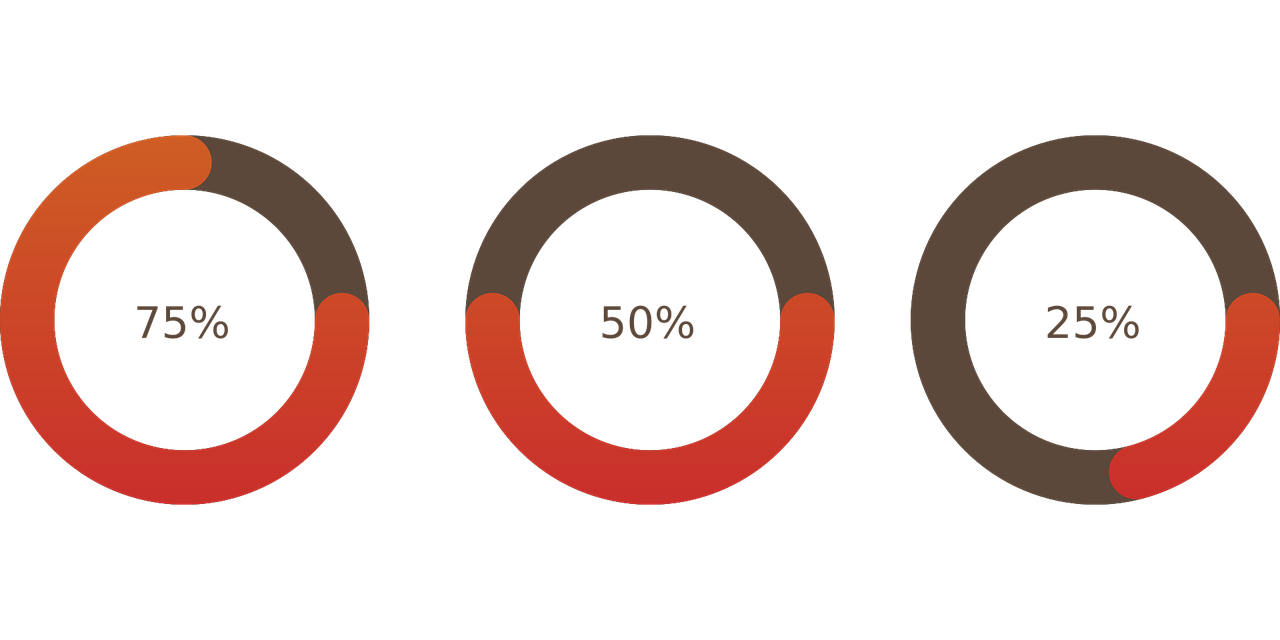

Best Practices for Reporting Progress in Personal Training Sessions
Effective progress reporting is crucial for personal trainers and clients alike. It helps in tracking fitness goals, assessing achievements, and making necessary adjustments. To ensure that progress reporting is meaningful, trainers must be consistent in their approach. This includes maintaining a record of training sessions, noting the specifics of each, and comparing them over time. With consistency, trainers can provide clients clear feedback regarding their performance. Also, utilizing tools such as fitness apps or digital tracking can enhance communication between trainer and client. Trainers should also ensure clarity and simplicity in their reporting methods. Avoid jargon and complex terminologies that might confuse clients. It’s vital to remind clients that progress isn’t always linear. Sometimes, plateaus can occur, and that’s part of the journey. Another best practice is to celebrate small victories. Instead of solely focusing on big goals, acknowledging smaller improvements can boost motivation. This technique can help keep clients engaged and committed to their fitness journey. Regular updates can foster a strong trainer-client relationship and ensure accountability in achieving fitness goals.
In addition to tracking physical improvements, it’s important to report on subjective measures. Clients should be encouraged to share their feelings during workouts and overall satisfaction. This information can be invaluable. It provides insights into how clients perceive their progress, which can differ from actual performance metrics. Regular check-ins help trainers understand clients better. Furthermore, they can adjust workouts or methods accordingly. Instead of only quantifying progress, it’s essential to qualitatively evaluate clients’ experiences. Engaging clients in this way fosters a supportive environment. They are more likely to continue training when they feel heard. Trainers can also create visual representations of progress. Graphs or charts can indicate trends over time, making progress more tangible. Visual aids often lead to increased motivation. Using before-and-after pictures could serve as strong visual evidence of transformation. Ethical considerations must be factored in when utilizing such visuals. In addition, when setting goals, ensure they are SMART (Specific, Measurable, Achievable, Relevant, and Time-bound). SMART goal setting facilitates better tracking and accountability. This structured approach can minimize frustrations for clients.
Another vital practice involves involving clients in the goal-setting process. Collaboration fosters ownership, increasing motivation and adherence. When clients actively participate, they become more invested in their fitness journeys. Encourage them to set personal objectives. These can range from losing weight to improving strength or endurance. When clients feel empowered, they are more likely to push through challenges, fostering resilience. Trainers should ensure that these goals align with clients’ individual pathways and lifestyles. That way, they are more relatable and achievable. Regularly reviewing these goals is essential, too. As clients progress, it’s necessary to evaluate and adapt their goals to match their evolving abilities and desires. Furthermore, always focus on holistic progress. Fitness isn’t solely about weight loss or muscle gains. Strengthening mental well-being, self-confidence, and overall health are equally crucial aspects. Trainers should assess and celebrate these areas alongside physical measurements. In addition, fostering a positive mindset can enhance training outcomes. Positive affirmations and supportive feedback can empower clients. These practices help in creating a balanced and comprehensive assessment of fitness journeys.
Communicating Progress Effectively
Communication plays a pivotal role in effective progress reporting. Personal trainers must find the right balance between motivation and constructive criticism. When delivering feedback, it’s essential to highlight both strengths and areas for improvement. Recognizing what clients do well, while offering insights into their challenges, can prepare them for upcoming sessions. Moreover, trainers should consider the timing of feedback. Providing it immediately after a session can help reinforce learning while it’s fresh. Additionally, utilizing various communication methods can cater to clients’ preferences. Some may prefer written updates, while others might value verbal discussions or digital notifications. Personalizing the approach is key. By fostering an environment of open dialogue, where clients feel comfortable sharing concerns, trainers can adapt strategies to ensure optimal development. Building trust through clear communication will strengthen the trainer-client relationship over time, proving essential for long-term success. Furthermore, sharing progress with clients consistently demonstrates commitment to their fitness journey. When clients see their trainers engaged in their progress, it fosters a partnership, enhancing accountability and motivation to reach goals.
Utilizing technology to report progress can streamline the process and boost engagement. Trainers can leverage various fitness tracking apps to offer clients real-time data. Visualization features, such as graphs or progress photos, can make achievements more concrete. These tools can help clients monitor their performance metrics effectively. Additionally, incorporating wearables that track heart rate or calories burned provides clients with immediate feedback. Trainers can analyze this data to tailor programs based on clients’ responses during workouts. Technology also provides opportunities for remote check-ins. In today’s world, leverage it for virtual progress updates. Video calls or messaging platforms ensure that trainers can maintain communication even when not in person. Nevertheless, it’s essential to ensure that these tools are user-friendly and accessible for every client. Make sure clients understand how to use the tools for maximum benefit. In the era of digital transformation, embracing technology signifies modern training methods. It enhances the effectiveness of progress reporting, making it consistent, comprehensive, and convenient, ultimately leading to sustained client engagement.
Evaluating Progress Metrics
When guiding clients on their fitness journeys, ensuring a broad evaluation of progress metrics is paramount. Many focus solely on weight or muscle size, which can be misleading. Instead, incorporate a variety of measures. These can include endurance levels, flexibility tests, and subjective measures such as energy levels. Adopting a multifaceted approach to assessing progress can help provide a well-rounded view of client improvements. Utilizing methods like fitness assessments or progress photos can be insightful. Periodically conducting these evaluations facilitates better communication of progress. Moreover, it informs trainers about how their methods are working. Ensuring that trainers develop a unique evaluation strategy based on clients’ goals and preferences enhances effectiveness. Regular assessments encourage client commitment, as it breaks monotony. The added incentive of scheduled evaluations nurtures curiosity and anticipation about results. Furthermore, factors beyond workouts can influence progress. Nutrition, sleep, and stress play significant roles in client performance outcomes. Addressing these elements while tracking progress ensures trainers maintain a comprehensive view of client improvements. This holistic approach promotes overall well-being.
Lastly, maintaining privacy and ethical standards while reporting progress is crucial. Trainers must ensure that clients’ information remains confidential. This includes workout data and personal information shared during sessions. Ethically, obtaining consent before using goal outcomes or progress photos is necessary. Clients must feel safe sharing their experiences without fear of exploitation. As clients work hard toward their goals, transparency regarding how their data is used enhances trust between trainers and clients. Educating clients about the importance of their information prevents misunderstandings. Ensuring clients know how their data and progress will be reported helps delineate boundaries. Furthermore, trainers should regularly review their practices to ensure they align with ethical standards and industry best practices. This attention will help fend off any potential controversies. By prioritizing privacy and ethics, trainers reinforce the commitment to their clients’ well-being, ultimately building stronger, long-lasting relationships. Clear, ethical, and respectful communication about progress reporting can greatly enhance client experience. Thus, trainers can efficiently foster an environment that promotes success and trust, enabling clients to thrive in their personal training sessions.
In conclusion, effective reporting of progress in personal training sessions revolves around maintaining comprehensive, personalized, and ethical practices. By implementing the discussed best practices, trainers can create environments that foster client success and satisfaction. Through consistent feedback, participation in goal setting, engagement in communication, and leveraging technology, trainers help clients navigate their fitness journeys more effectively. Furthermore, using a holistic approach to assess progress metrics enables a more complete understanding of clients’ fitness trajectories. In turn, prioritizing client privacy and ethical standards ensures trustworthiness in the trainer-client relationship. All these elements combined create a dynamic training experience tailored to individuals’ needs and ambitions. Ultimately, the pursuit of fitness goals becomes a shared journey—one in which accountability and encouragement play pivotal roles. As trainers invest in clients, they not only witness physical transformations but also contribute positively to clients’ mental and emotional developments. Continuously refining progress reporting practices in personal training can lead to lasting impacts and measurable successes. Together, trainers and clients can push past barriers towards achieving extraordinary fitness milestones.