
The Best Practices for Entering and Exiting Open Water Safely
Open water swimming can be exhilarating, but safety should always prioritize your experience. First and foremost, assess the environment before entering the water. Ensure the area is free of obstacles and has good visibility. Keep in mind that currents and tides can affect your swimming and often change throughout the day. Taking a few moments to observe conditions such as wave size and wind direction is crucial. It’s also wise to identify potential hazards like boats, rocks, or marine life. Always swim in designated swimming areas when possible, as they are typically monitored for safety. Make sure you’re aware of the local guidelines and regulations as well. Lastly, swimming with a buddy is highly recommended. This practice ensures that help is readily available in an emergency situation. Swimming alone increases risks significantly, especially in unfamiliar waters. In summary, taking time to prepare and evaluate your surroundings can prevent accidents and make your open water experience safe and enjoyable. Carrying safety equipment, such as a whistle or a bright swim cap, can also add an extra layer of protection.
When you’re ready to enter the water, there are a few best practices to follow for a seamless transition. First, always enter the water gradually rather than charging in. Start by wading in at a comfortable pace, allowing your body to adjust to the temperature. This is especially important in colder water conditions where hypothermia is a risk. Once you’re in, practice floating or treading water for a moment before starting to swim. This allows your body to acclimatize to the open body of water and ensures you feel comfortable moving into deeper areas. Additionally, keep an eye on the designated entry points and avoid rocky or uneven surfaces as they can pose risks. After your swim, take care when exiting the water. Ensure the area is clear of obstacles and maintain your footing as you leave the water. Using a towel to dry off helps prevent falls on slippery surfaces. Always check in with your swimming buddies before departing to ensure everyone is accounted for. Lastly, rehydrate and cooldown afterward.
Understanding Water Conditions
It’s vital to understand and respect the water conditions before swimming to ensure your safety. Open water can be unpredictable, with factors like wind, currents, and temperature creating varying environments. Before entering, check local weather forecasts to avoid storms or high winds that can create dangerous swells. Calm days are perfect for swimming, as they allow for a more enjoyable experience. Pay attention to different currents, as they can be strong; this can drastically alter your swimming direction and speed. Learning to identify rip currents is essential, as they can be life-threatening. When in the water, always swim parallel to the shore to escape a rip current safely. Additionally, water temperature can fluctuate; having knowledge of the temperature can prepare you for cold shock or hypothermia risks. If you feel excessively cold, exit the water immediately and consider having warm clothes ready. Lastly, don’t hesitate to ask locals or lifeguards about the local conditions. They often have valuable knowledge that can enhance your safety experience.
Recognizing emergency signals and basic safety protocols is essential when open water swimming. Familiarize yourself with any whistle or signal protocols in your swimming area. Often, beaches or open water spots will have clear signals for emergencies, such as flags indicating hazardous conditions or lifeguard presence. If you’re swimming in an area with lifeguards, make sure to swim in their designated zones. They are trained to respond to emergencies and assist swimmers in distress. Knowing how to contact emergency services or signal for help in distress is crucial. Carrying a signaling device, such as a whistle or a brightly colored float, can help attract attention if needed. In case of getting tired, remain calm and float; panicking can lead to exhaustion. Should you encounter another swimmer in distress, ensure you’re capable of providing assistance without jeopardizing your safety. Remember, help them to remain buoyant until professional help arrives. Education on CPR and basic first aid can also be extremely beneficial, ensuring you’re prepared for any scenario that may arise in the water.
Using the Right Equipment
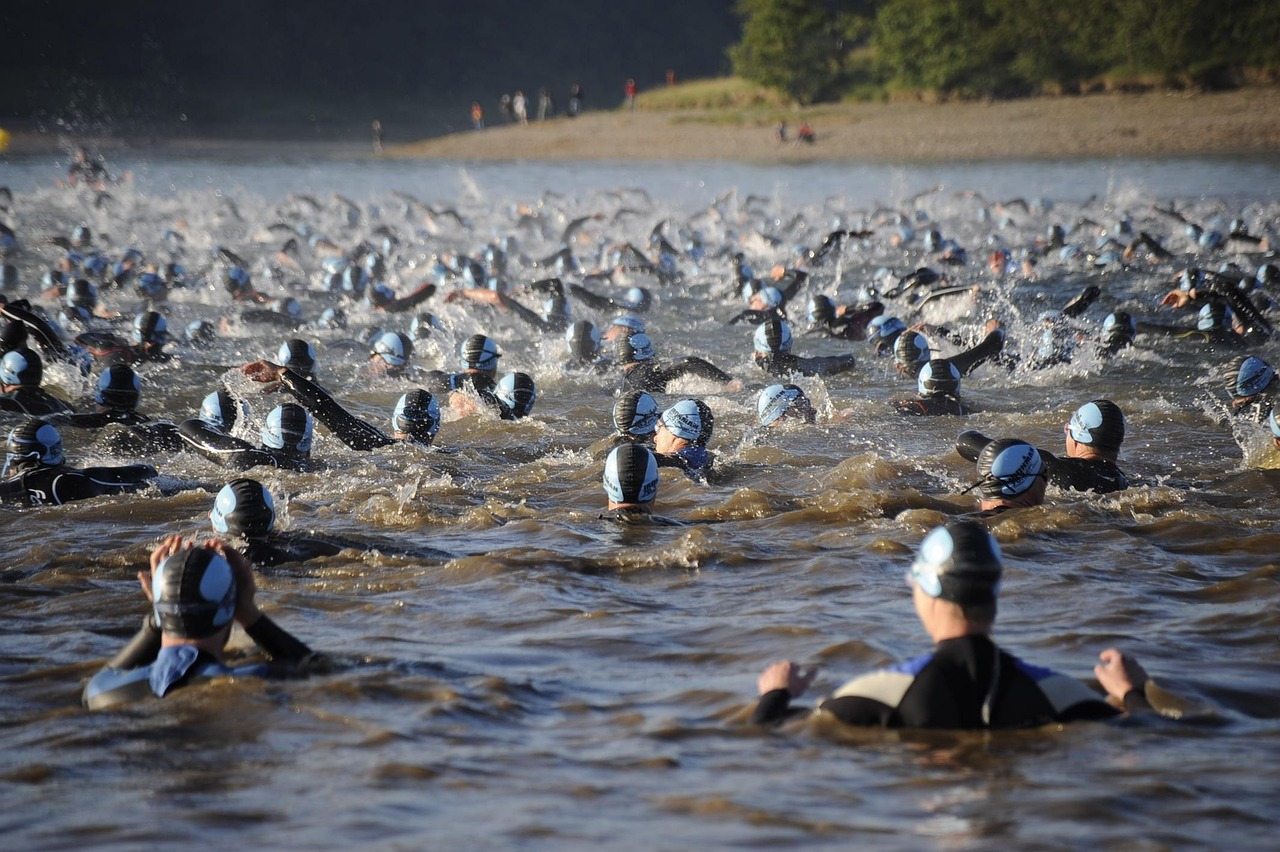
Using appropriate equipment can significantly enhance your safety while open water swimming. One crucial item is a wetsuit, which regulates your body temperature and provides buoyancy. In cooler conditions, a wetsuit can protect against cold shock and help maintain body heat. Brightly colored swim caps are another essential piece of safety equipment. These caps increase visibility to other swimmers and boats, making it easier to spot you in busy water areas. Additionally, consider using reflective gear or swim buoy, which aids visibility even further while providing a safe place to rest if needed. Hydration packs designed for water sports also keep you hydrated without interrupting your swim. Some swimmers choose to carry floats or inflatable gear to make swimming easier. However, always research your equipment beforehand to ensure that they suit your swimming style and conditions. Familiarize yourself with how to wear and use each piece of equipment, as practicing with gear before your swim can help you transition seamlessly into the open water. Ultimately, investing in quality gear can greatly improve your comfort and safety.
Always be prepared for unforeseen circumstances while swimming in open water. Having a solid plan is essential. Before your swim, have clear goals and set a defined route to avoid unnecessary wandering, which may lead you into turbulent waters or heavy traffic areas. Inform someone about your plans, especially if swimming alone, as they can help monitor your safety. A good practice is to check in at regular intervals to stay accountable. Additionally, staying within designated boundaries helps manage risks. Just as essential is understanding your physical limitations; if you feel tired or unwell, it’s best to cut your swim short. Also, keep an eye on your pace. Too much exertion can lead to exhaustion or injuries, so find a comfortable rhythm that allows you to enjoy the swim. If conditions suddenly worsen, swimming to safety and exiting the water calmly should be your priority. Remember that safety protocols are not just guidelines; they’re meant to help protect your well-being. By preparing and understanding what to do in emergencies, you can ensure a safer open water experience.
Conclusion: Emphasizing Safety Above All
In conclusion, ensuring safety while engaging in open water swimming is paramount. Taking precautions and adhering to best practices allows swimmers to enjoy their experiences fully. Always enter the water based on your comfort level and stay aware of the surroundings. Checking weather conditions, understanding currents, and participating in guided swim groups offer added layers of safety. The importance of familiarization with local protocols cannot be underscored enough; staying updated fosters readiness for unexpected scenarios. Swimming with a buddy can enhance safety and accountability, making expeditions more enjoyable. Regularly assessing equipment will also ensure they meet safety standards. Participating in local swimming communities can provide insight and support, helping to cultivate a safe swimming culture. Encourage awareness about water hazards both for yourself and for others in your vicinity. It’s essential to prioritize safety measures such as buoyancy devices, bright swimsuits, and communication strategies to mitigate risks in open water. By implementing these practices consistently, swimmers can confidently enjoy all the beauty that open water swimming has to offer.
In summary, open water swimming is an incredible activity that further enriches your relationship with nature. Swimming safety, while often overlooked, serves as the backbone for enjoyable experiences in open water. As we’ve discussed, understanding environmental conditions and using appropriate equipment lays the groundwork for safety. Always keep an eye on swimming etiquette, follow local regulations, and notify emergency services if needed. Encourage fellow swimmers to do the same, as a group effort can foster safer swimming paths for everyone. Incorporate good habits into your swimming routine, such as checking in with friends, maintaining clear water navigation routes, and reviewing known escape plans. Swimmers should also reflect and share best practices, reminding others to prioritize safety above all else. This commitment maximizes positive sailing experiences while minimizing accidents. Whether you’re swimming in lakes, rivers, or the ocean, maintaining a safety mindset helps create memorable relationships both with the water and fellow swimmers. May your open water experiences yield joy, refreshing moments, and lasting memories, all wrapped within the safety protocol you’ve cultivated. Happy swimming, and always prioritize safety!