
Essential Kitchen Tools for Fast and Healthy Meal Prep
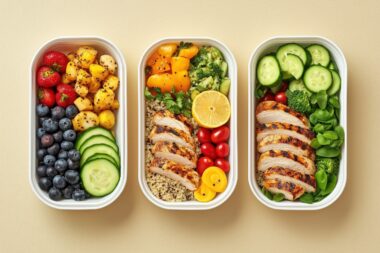
When it comes to healthy meal prep, having the right kitchen tools can make all the difference. Investing in essential tools helps streamline your cooking process, enabling you to prepare delicious meals quickly. Start with a good quality knife. A sharp knife is vital for chopping vegetables, meats, and herbs efficiently. Consider also a cutting board made of durable material to protect your countertops and ease cleanup. Additionally, a reliable set of measuring cups and spoons ensures accuracy for those recipes requiring specific ingredient amounts. Don’t forget storage containers; they are indispensable for keeping your prepped meals fresh. Look for BPA-free options that offer variety in sizes for different portion needs. A slow cooker or Instant Pot can drastically cut cooking time, allowing you to set it and forget it while your food is cooking. Furthermore, a food processor can save you precious minutes for tasks like chopping, slicing, or pureeing ingredients. With these essential tools, meal preparation can become a more enjoyable and efficient activity. Each kitchen tool plays a critical role in your ability to create healthy meals, especially when time is short.
In addition to the basics, incorporating time-saving gadgets can significantly diminish the effort needed in meal prep. One essential tool is an electric chopper, which allows you to quickly dice vegetables, nuts, or other ingredients without the manual labor. An immersion blender is another fantastic tool, especially for pureeing soups directly in the pot. It saves you time and hassle by reducing cleanup. Don’t underestimate the value of multi-functional appliances too. A microwave steamer can cook vegetables while retaining their nutrients, an essential factor for healthy eating. Moreover, look for silicone baking mats that replace parchment paper, making cleaning up easier while also being reusable. A salad spinner can be incredibly handy, helping you quickly wash and dry leafy greens. Furthermore, investing in a good quality blender is crucial for making nutritious smoothies and sauces. Look for models that can crush ice effectively, giving you the versatility to create more than just drinks. These gadgets and tools are excellent companions for busy individuals who value healthy eating without compromising on quality or time.
Organizing Your Workspace
Keeping your kitchen organized is just as important as having the right tools. An organized kitchen allows for effective meal prep and makes the cooking process enjoyable. Start by decluttering your countertops. Leave only the essentials like your cutting board, knife, and any frequently used gadgets, which makes them easily accessible. Use clear storage containers when organizing pantry items; this assists not only in visibility but also in measuring ingredients accurately when preparing meals. Label your containers for quick identification. You might also want to utilize drawer organizers for utensils, helping you maintain a tidy space. Consider a magnetic strip for spices, promoting efficient cooking by keeping important herbs within reach. A pegboard can be beneficial for hanging pots and pans, saving cabinet space while providing a unique aesthetic. Additionally, a small cart on wheels can serve as a mobile prep station, allowing you to shift around your workspace as needed. These organizational strategies foster a smoother cooking experience so that meal prep doesn’t become an overwhelming task, ultimately benefiting your busy lifestyle.
Meal prepping in large batches can be incredibly efficient. By setting aside a few hours on the weekend, you can prepare meals for the upcoming week, ensuring you always have healthy options available. When cooking in large quantities, don’t hesitate to use your largest pots and pans to maximize what you can prepare at once. It’s essential to incorporate versatile ingredients that can be repurposed throughout the week. Consider preparing base components like quinoa, brown rice, and grilled chicken, which can be mixed and matched with various spices and vegetables. Additionally, focus on cooking a variety of healthy proteins, including legumes, tofu, and lean meats. Furthermore, incorporating seasonal vegetables can help keep meals exciting and prevent monotony. You can sauté, roast, or steam vegetables to preserve their nutritional value, allowing for different textures and flavors across your dishes. Furthermore, plan your meals using a weekly menu, making specific lunch and dinner selections that you can rotate easily. This systematic approach simplifies your choices throughout the week, drastically reducing decision fatigue related to meal times.
Building a Balanced Meal Plan
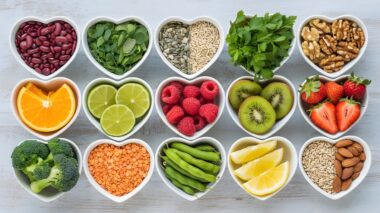
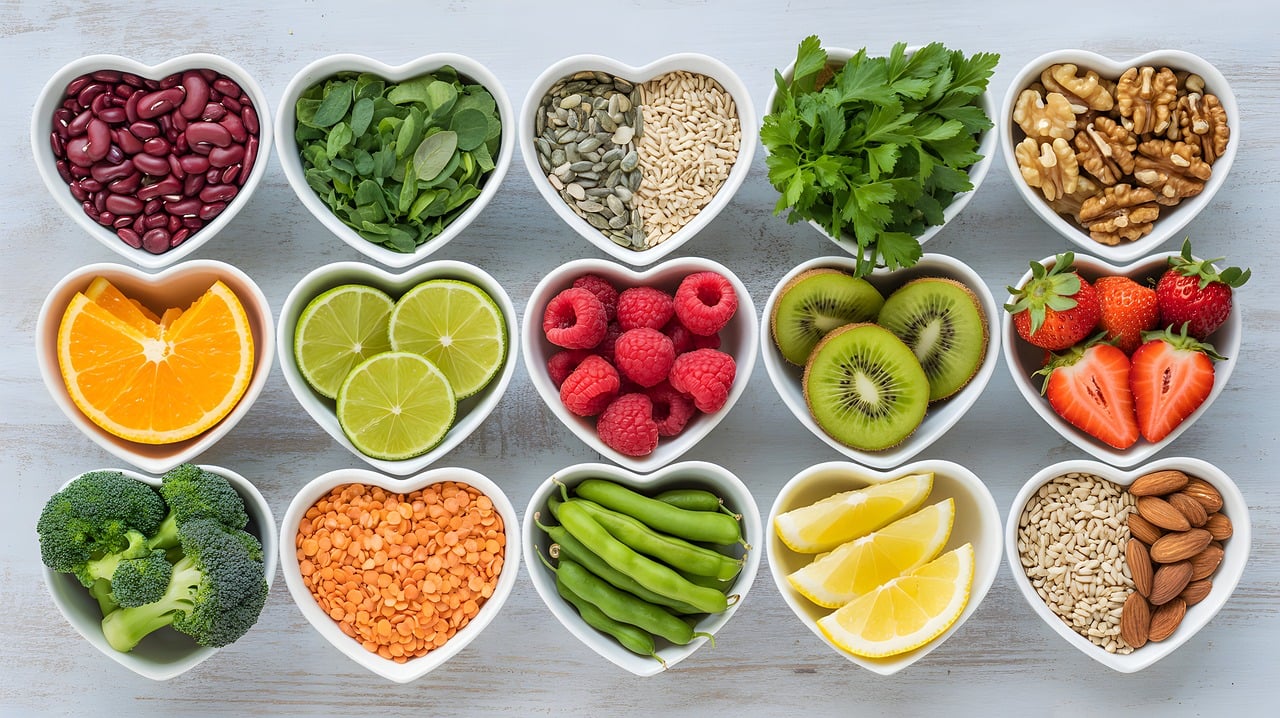
When it comes to meal planning, balance is key. A nutritious meal should contain a mix of protein, healthy fats, and carbohydrates, promoting sustained energy throughout your busy days. Start by determining your dietary needs and preferences. Prioritize lean proteins such as chicken, turkey, fish, or plant-based proteins like beans and lentils. In addition, incorporate healthy fats from sources like avocados, nuts, or olive oil. These not only keep you satisfied but also provide essential nutrients. Carbohydrates should come from whole grains and vegetables, ensuring that you fuel your body efficiently. It’s important to evaluate portion sizes and adjust them according to your activity level; larger meals for more active days and lighter meals when less active. Aim for colorful plates, filled with a variety of vegetables, as they are rich in vitamins and minerals. Ensuring that you enjoy what you eat is critical too. Experiment with different spices and preparations to make healthy meals appealing. By focusing on balance and flavor, you can create meals that are not only healthy but also enjoyable.
Don’t forget to include healthy snacks in your meal prep to maintain energy levels throughout the day. Preparing snacks in advance is helpful to avoid unhealthy temptations when hunger strikes. Consider portioning out nuts, yogurt, or chopped vegetables into snack-sized containers, making it easy to grab something nutritious on the go. You can also prepare small servings of hummus, guacamole, or salads that are ready to eat when you need a pick-me-up. Fruit is another excellent option; wash and cut fruits ahead of time, keeping them fresh for quick access. Understand that healthy snacks should ideally include protein and fiber to help satiate hunger between meals. Make sure to rotate snacks regularly to keep your choices interesting and avoid boredom. Maintaining variety in your diet while focusing on snack prep will enhance your healthy eating habits. Remember, meal prep is not limited to just main meals; including nutritious snacks will have a positive impact on your energy levels throughout busy days.
Conclusion: Making Meal Prep Sustainable
Ultimately, healthy meal prep is about making sustainable changes that fit into your busy lifestyle. By choosing the right kitchen tools and organizing your workspace, you can streamline your cooking process significantly. Invest in multifunctional gadgets that replace multiple items, making it simpler to prepare diverse meals without cluttering your kitchen. Additionally, always prioritize planning and organization, as they are essential components for successful meal prep. Remember to build balanced meal plans that cater to your nutritional needs while allowing for creativity in the kitchen. The strategy is not just about eating well today; it is about establishing habits that will last. Integrating tasty and healthy snacks is necessary to keep up your energy levels throughout busy days. Always remember to adjust the meal prep process according to your schedule — some weeks may demand rigorous prep while others may call for quick, ready-to-eat options. Make flexibility a part of your approach, as it adds longevity to your healthy eating habits. With proper planning, dedication, and some clever tools, anyone can master the art of meal prep.