
The Impact of Sleep Disorders on Daily Life and Productivity
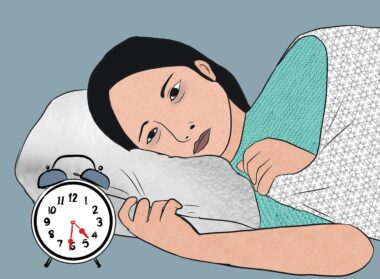
Sleep disorders significantly affect daily life and productivity, posing challenges that many individuals struggle to manage. Common disorders, such as insomnia, sleep apnea, and restless leg syndrome, disrupt sleep patterns and prevent restorative rest. These disturbances lead to excessive daytime sleepiness, irritability, and difficulty concentrating, which ultimately hinders overall performance. Individuals may experience a lack of motivation and diminished cognitive functioning, affecting both personal and professional aspects of life. Studies indicate strong correlations between sleep problems and diminished quality of life, affecting relationships and mental health. These issues highlight the importance of seeking help and understanding the underlying causes of sleep disorders. Addressing sleep disorders can enhance daily functioning and increase productivity levels. Efforts to adopt better sleep hygiene practices and create a consistent sleep schedule can return vitality to those affected. Additionally, consulting healthcare professionals can provide guidance and treatment options, which is essential to manage symptoms effectively. Some individuals may benefit from cognitive-behavioral therapy, while others might require medication, showcasing the variety of approaches tailored to each sleep disorder.
Understanding Common Sleep Disorders
Understanding common sleep disorders is vital for effective management and recovery. Insomnia is characterized by difficulty falling asleep, staying asleep, or waking up too early, often leading to exhaustion. Sleep apnea, another prevalent disorder, involves interrupted breathing during sleep resulting in fragmented rest and decreased oxygen levels. Those affected frequently do not realize their sleep quality is compromised. Restless leg syndrome leads to uncomfortable sensations in the legs, making it challenging to relax and fall asleep. The prevalence of these conditions emphasizes the need for awareness and education, allowing individuals to recognize symptoms early. Additionally, narcolepsy causes uncontrollable sleep episodes during the day, which can disrupt normal routines and lead to dangerous situations. Proper diagnosis often involves thorough assessments and sometimes sleep studies to determine the specific disorder. Individuals experiencing symptoms should not hesitate to seek help from healthcare professionals. Acknowledging the existence and implications of these disorders fosters a proactive attitude towards managing one’s health. Personalized treatment plans can dramatically improve sleep quality and, consequently, overall quality of life.
In addition to medical evaluations, lifestyle choices play a crucial role in managing sleep disorders. Factors such as diet, exercise, and technology use can influence sleep quality significantly. A balanced diet rich in nutrients, particularly those that promote relaxation, can help in achieving better sleep. Limiting caffeine and alcohol intake before bedtime is equally essential. Regular physical activity is beneficial, but timing is important; exercising too close to bedtime can keep one awake. Moreover, establishing a nightly routine signals the body that it is time to wind down for sleep. This includes creating a relaxing environment, eliminating distractions, and avoiding screens to reduce exposure to blue light. Sleep hygiene practices are foundational strategies that can lead to significant improvements in sleep quality. By becoming more mindful of these factors, individuals can take control and create healthy sleep habits. Educational resources are available for those who seek to learn more about effective lifestyle changes that promote better sleep. Additionally, joining support groups can provide motivation and accountability in managing sleep disorders and improving overall wellness.
The Role of Mental Health in Sleep Disorders
Mental health significantly influences the prevalence and severity of sleep disorders. Conditions such as anxiety and depression can complicate sleep patterns, leading to worsening symptoms over time. Individuals struggling with mental health issues often report disturbed sleep, whether that means frequent awakenings or racing thoughts that impede falling asleep. The interconnection between sleep and mental health necessitates an integrated treatment approach. Addressing mental health concerns can lead to improvements in sleep quality and vice versa, creating a positive feedback loop. Cognitive-behavioral strategies, mindfulness practices, and relaxation techniques may be effective for those facing challenges related to both areas. Seeking assistance from mental health professionals can enable individuals to explore the underlying factors contributing to their disorders. Importantly, understanding this link fosters empathy and awareness, which can reduce stigma surrounding both sleep and mental health issues. Support systems, including therapy, counseling, and community resources, play a vital role in recovery. Resources such as educational workshops and informative online platforms can provide valuable insights to individuals seeking to enhance their mental wellness and sleep quality.
Moreover, chronic sleep disorders can lead to various health complications, affecting the body and mind. Sleep deprivation has been linked to cardiovascular diseases, diabetes, obesity, and impaired immune function. Consequently, the lack of adequate sleep becomes a critical public health concern, warranting greater attention. Individuals may experience decreased productivity at work, leading to job-related stress and potential absenteeism, further exacerbating the cycle of fatigue. The economic implications of sleep disorders are significant, impacting healthcare costs, work efficiency, and overall quality of life. Employers are encouraged to foster a healthy workplace culture that prioritizes employee well-being, offering resources and support for those facing sleep challenges. Implementing flexible scheduling and promoting awareness about sleep health can pave the way for a more productive workforce. Additionally, educating employees on how to recognize sleep disorders can encourage timely intervention and support programs. Taking these steps not only benefits individuals but can also enhance business productivity and morale, highlighting the point that investing in sleep health is essential for everyone, creating a win-win situation.
Strategies for Improving Sleep Quality
Several strategies can effectively improve sleep quality, enhancing productivity and well-being for those suffering from sleep disorders. Establishing a sleep-friendly environment is crucial; this includes a cool, dark, and quiet room that promotes relaxation. Additionally, creating a consistent sleep schedule by going to bed and waking up at the same time daily can significantly help regulate the body’s internal clock. Limiting screen time before bed can also reduce stimulating interactions that confuse the brain’s signals for rest. Incorporating relaxation techniques, such as deep breathing and meditation, can further prepare the mind and body for sleep. Engaging in physical activity during the day can also contribute positively; however, it should not be performed too close to bedtime as it may hinder sleep onset. Avoiding large meals and caffeine in the hours preceding sleep is equally important. Keeping a sleep diary can help track patterns and identify factors contributing to sleep quality issues. When combined, these strategies can create a comprehensive approach to improving sleep health. A consistent commitment to these practices can significantly enhance overall sleep quality.
Ultimately, understanding the impact of sleep disorders on daily life and productivity emphasizes the need for awareness, education, and effective management strategies. Sleep is a critical component of overall health, influencing physical, mental, and emotional well-being. Through informed choices and support, individuals can navigate the challenges associated with sleep disorders. Prioritizing sleep hygiene, seeking professional guidance, and implementing lifestyle changes can significantly enhance sleep quality. Furthermore, addressing mental health in conjunction with sleep management fosters holistic recovery. Employers and communities must recognize the broader implications of sleep issues, advocating for resources to support those affected. As awareness grows, stigma surrounding sleep disorders can diminish, leading to more compassionate responses and accessible treatments. By empowering individuals and facilitating open discussions about sleep health, optimal productivity and quality of life can be achieved. Transformative approaches rooted in education and proactive interventions create a positive narrative about sleep disorders, guiding those affected towards recovery and enhanced daily functioning. Sleep health is indeed essential, and dedicating the necessary time and energy to understanding it can yield long-lasting benefits.