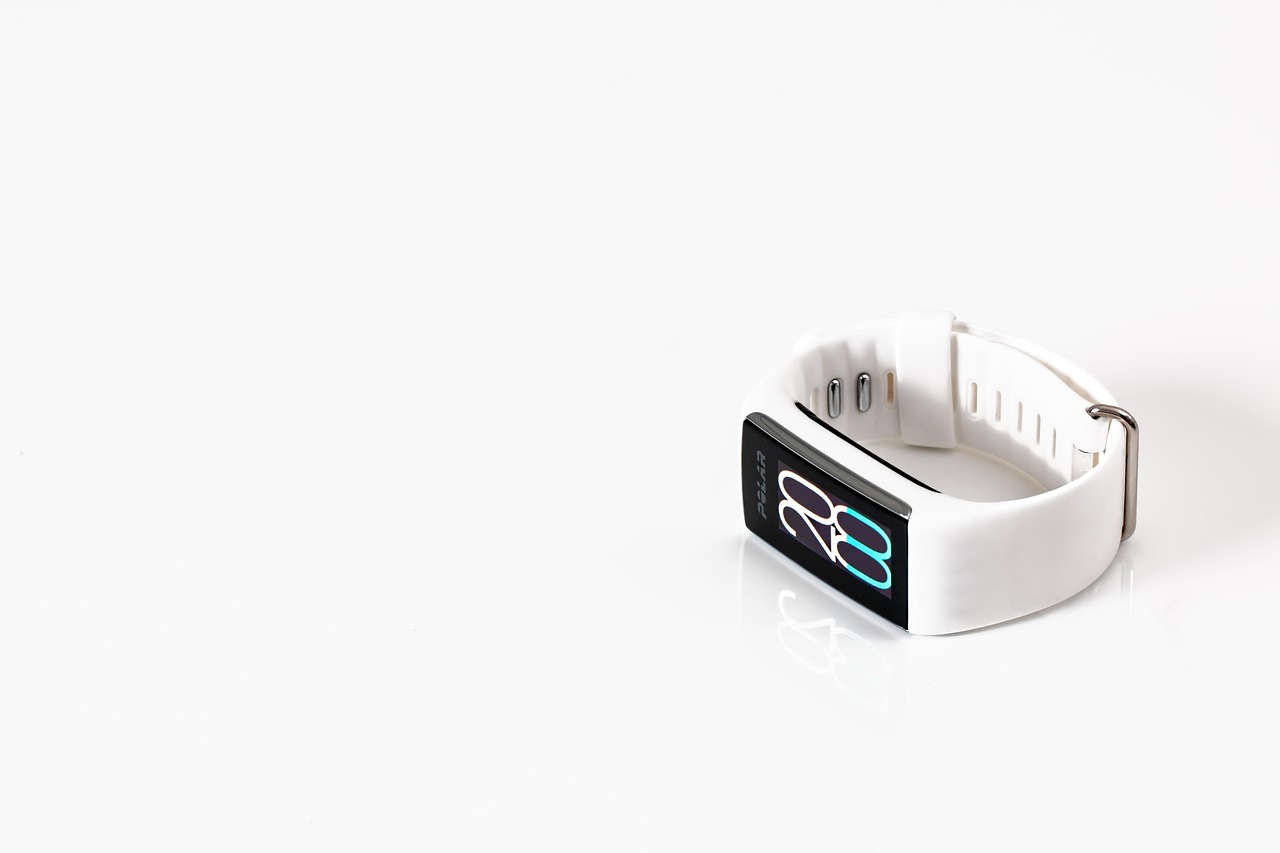

Integrating Wearable Technology for Real-Time Body Composition Feedback
In the realm of sports performance, understanding body composition is paramount for athletes aiming to optimize their training outcomes. Wearable technology has revolutionized how individuals monitor and receive feedback about their bodies, significantly impacting their training routines. Unlike traditional methods, which often involve time-consuming measurements, modern wearables provide athletes with real-time data. This data encompasses various metrics, including fat percentage, lean muscle mass, and hydration levels. By integrating these technologies, athletes can adjust their diets and training regimens instantly. Real-time feedback enhances the understanding of how physical changes correlate with training loads, providing a clearer picture of progress and necessary adjustments. Moreover, wearables can foster accountability among athletes, encouraging them to maintain their performance goals consistently. The ability to track progress visually through graphs and statistics can motivate individuals to adhere to their programs more effectively. This transformation in feedback quality is not only beneficial for professional athletes but also for fitness enthusiasts seeking to improve their physical condition. Embracing wearable technology could be the key to unlocking new levels of performance for athletes across all levels.
The Science Behind Body Composition Metrics
Understanding body composition starts with recognizing the science behind the metrics provided by wearable technology. Body composition analysis typically breaks down an individual’s body into fat mass and lean mass. The accurate measurement of these components is crucial for tailoring personalized fitness or dietary plans. Wearable devices often rely on bioelectrical impedance analysis (BIA) to determine these metrics. BIA technology sends a low-level electrical current through the body, measuring the resistance to identify fat versus lean tissue. Additionally, advanced wearables utilize algorithms and machine learning to interpret the vast amount of data collected, ensuring that the information provided is reliable and accurate. Athletes can utilize these insights to determine if they are effectively gaining muscle or losing fat, leading to more informed decisions in training. Real-time data can also adapt to daily fluctuations, accounting for hydration levels, thus providing clarity during training. Understanding these body composition metrics empowers athletes to set clear objectives and monitor their progress strategically. The goal is to help users grasp the relationships between their efforts and the results they achieve, fostering a sense of control in their fitness journeys.
Incorporating real-time body composition analysis into daily training provides several practical benefits for athletes. One of the primary advantages is the immediate feedback athletes receive as they strive for their fitness goals. For example, if an athlete is aiming to reach a specific fat percentage, they can adjust their diet or exercise intensity instantly based on the feedback received from their wearable device. This immediacy allows for changes to be implemented proactively rather than retrospectively, making the experience more dynamic and engaging. Additionally, this kind of tracking can help athletes identify patterns over time, revealing correlations between training regimens and body changes, ultimately leading to better long-term strategies. Moreover, wearable feedback helps detect plateaus in progress, a common challenge for individuals engaged in long-term training. Such insights enable athletes to refresh their routines accordingly, avoiding stagnation and pushing their boundaries further. Whether it’s the use of smartwatches, fitness bands, or advanced monitoring devices, their utilization can significantly enhance an athlete’s approach to body composition analysis. Effectively, this integration transforms modern training protocols, making enhancements personalized and timely.
Athletes are not the only individuals benefiting from wearable body composition technology; fitness enthusiasts and casual gym-goers can leverage its advantages as well. The accessibility of these tools has democratized advanced measurement technology, allowing anyone interested in fitness to monitor their body composition easily. For beginners, understanding their body metrics can foster motivation and help establish realistic fitness goals that align with their lifestyle. For instance, individuals starting a weight loss journey can set measurable targets, knowing exactly how much fat they wish to lose over time. Furthermore, community features in many apps linked to these wearables can offer additional motivation through shared goals and challenges. Users can connect with friends or join groups, fostering a sense of accountability and support. Wearable technology not only provides metrics but also creates social interactions that encourage progress, making the fitness journey less solitary. This aspect of connectivity can heighten user engagement, leading to better adherence to fitness plans. By creating an environment where individuals feel supported, the effectiveness of this technology expands significantly, enhancing overall user experience in body composition analysis.
Customization Through Wearable Technology
Customization represents a significant aspect of body composition analysis through wearable technology. Many wearables allow users to tailor their settings and metrics according to personal fitness goals. For instance, users can receive notifications when they are reaching their hydration limits or if their body fat percentage fluctuates unexpectedly. This level of personalization ensures that individuals are actively participating in their health, rather than passively receiving information. In addition, most devices enable users to integrate their dietary preferences by importing meal data or suggesting optimal nutritional sources. By allowing for these custom modifications, wearables can align better with the individual’s unique journey, making the collected data more relevant. This customization encourages users to remain engaged and connected with their fitness path over time. For coaches working with athletes, having access to customized metrics can further refine training programs. Coaches can review the athlete’s data analysis pane and adjust training loads, recovery times, and nutritional strategies based on individual performance data. Consequently, this data-centric approach enables a higher level of precision in optimizing overall performance outcomes.
As technology continues to evolve, the development and integration of wearable devices offer exciting advancements in body composition analysis. Innovations such as advanced sensor technologies and artificial intelligence are reshaping what is possible in real-time data collection. For instance, future wearables may incorporate even more sophisticated algorithms for predicting body composition changes based on minimal inputs, reducing the time athletes spend analyzing data. Furthermore, these developments will likely enhance the accuracy of measurements. Next-generation devices could integrate skin temperature, heart rate variability, and other physiological metrics, providing a more comprehensive understanding of body composition in real-time. With these potentials, athletes will gain deeper insights into how their bodies respond to various environmental factors, such as climate or stress levels, which influence performance. With greater understanding, athletes can make even more informed decisions regarding their training regimens and recovery strategies. Innovations can be expected to lead to wearables that offer even richer user experiences, helping athletes master the art of balancing training and recovery strategically. An evolution in wearable technology transforms body composition analysis, yielding higher performance levels across diverse sports disciplines.
In conclusion, the integration of wearable technology for real-time body composition feedback is reshaping how athletes and fitness enthusiasts approach their health. The convenience and immediacy of real-time metrics empower users to engage actively in adjusting their routines, enhancing their ability to reach fitness goals efficiently. When utilized to its full potential, wearable technology fosters better lifestyle choices by promoting effective training, nutrition, and recovery strategies. Furthermore, as individuals understand their body metrics, they build a greater connection with their health journey. Moving forward, embracing these technologies will continue to bridge performance gaps for athletes and fitness enthusiasts alike, providing a pathway to achieving desired outcomes. The use of wearable technology in body composition analysis is set to transform not only individual approaches but the entire landscape of health and fitness. Harnessing these capabilities allows every athlete to take ownership of their development. In doing so, they will not only enhance athletic performance but also cultivate a lifelong commitment to health. As technology advances, the future of personal health management looks promising for those committed to their fitness paths.