
Understanding Electrolytes and Water Balance
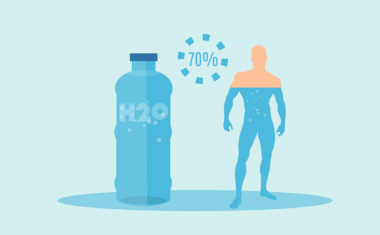
Hydration is crucial for maintaining overall health, as it affects nearly every bodily function. Water makes up about 60% of the human body, and its importance cannot be overstated. Electrolytes, such as sodium, potassium, calcium, and magnesium, play a vital role in regulating hydration levels. They help maintain the balance of fluids in and out of cells, ensuring that essential functions like muscle contraction and nerve signaling operate effectively. When we talk about hydration, it is crucial to consider not just the quantity of water consumed but also the quality and balance of electrolytes. Dehydration can lead to serious health issues, such as kidney stones, heat illness, or even heatstroke. To avoid these complications, one should be aware of the signals their body sends. These may include symptoms like thirst, dry mouth, fatigue, and decreased urine output. Additionally, athletes and individuals with high physical activity levels should pay particular attention to hydration, as they typically require more fluids to compensate for losses through sweat. Achieving a proper balance can lead to enhanced performance and overall well-being.
Adequate hydration is essential for optimal body function. When it comes to understanding water intake, one must consider various factors. Age, gender, climate, and physical activity all influence individual hydration needs. For instance, younger individuals typically have higher water requirements than older adults due to increased metabolism and physical exertion. Additionally, people living in hot climates tend to sweat more, necessitating greater fluid intake. To maintain adequate hydration, it is recommended to drink at least eight 8-ounce glasses of water per day, a guideline often referred to as the “8×8 rule.” However, some may require more, especially those engaging in intense workouts. Various beverages can contribute to daily water intake, including juices, milk, and herbal teas. It is essential to prioritize natural options over sugary or caffeinated drinks which may lead to dehydration instead of replenishment. Monitoring your fluid intake can help you understand your body better. A good practice includes regularly checking your urine color; pale yellow indicates proper hydration, while darker shades signify dehydration. By being aware of your hydration status, you can foster a proactive approach to your wellness.
The Role of Electrolytes in Hydration
Electrolytes are crucial for maintaining fluid balance and overall hydration in the body. They are electrically charged minerals that dissolve in water, contributing to the body’s ability to conduct electricity and manage vital functions. Sodium primarily helps regulate blood pressure and keeps the fluid levels in check, while potassium is essential for muscle contractions and heart health. Calcium plays a significant role in bone strength and nerve signaling, and magnesium supports hundreds of biochemical reactions in the body. When we sweat during physical activities, a significant amount of electrolytes can be lost, leading to a depletion that can affect physical performance and cognitive function. Replenishing electrolytes through food and beverages is vital, especially for athletes and those engaging in strenuous activities. Foods rich in electrolytes include bananas, avocados, yogurt, and leafy greens. In some cases, particularly during prolonged physical exertion or high temperatures, electrolyte drinks can be an effective solution, helping to restore balance. Remember, however, that moderation is key, as excessive intake can also lead to imbalances that disrupt body functions.
Hydration strategies can vary depending on individual needs, lifestyle, and activity levels. Understanding the underlying principles can help create a personalized hydration plan. One valuable approach is to incorporate hydration-rich foods into your daily diet. Foods like cucumbers, oranges, and watermelon have high water content, aiding hydration in a more balanced manner than drinking water alone. Consuming these foods not only provides hydration but also adds vital nutrients to your diet. Timing also matters—drinking fluids throughout the day is more effective than consuming large quantities in a short period. If you are physically active, consider drinking water before, during, and after exercising to maintain optimal hydration levels. It’s essential to listen to your body and drink when you feel thirsty while also being mindful of additional intake when sweating. Moreover, during hot weather or illness, hydrating requires extra diligence. Ultimately, establishing a consistent routine that incorporates water intake and enhances hydration through food will contribute to overall health and prevent issues related to dehydration. With awareness, hydration can become a natural part of your lifestyle.
Common Symptoms of Dehydration
Recognizing the signs of dehydration can be a crucial step toward maintaining your health. Dehydration occurs when your body loses more fluids than it takes in, leading to significant consequences. Common symptoms include persistent thirst, dry mouth, fatigue, dizziness, and confusion. In more severe cases, dehydration can lead to rapid heartbeat, sunken eyes, and even fainting. Monitoring your hydration status is a proactive approach to well-being. Simple steps can help, such as regularly checking your urine color. Dark yellow or amber indicates dehydration, while clear or pale yellow suggests adequate hydration. Additionally, if you’re exercising intensely or in hot conditions, pay close attention to your body’s cues. Set reminders to drink water or consume hydrating snacks before you feel thirsty. Moreover, combining beverages with electrolyte content can help replenish your body more effectively. Consistency in hydration can prevent these symptoms and ensure that your body operates optimally. Moreover, developing an awareness of hydration needs during certain activities can significantly enhance your physical performance and mental clarity. Hydrating adequately plays an integral role not just in physical health but overall wellness.
Incorporating a variety of drinks can enhance hydration. While water should be the primary source, some beverages can provide additional benefits. Natural fruit juices, coconut water, and certain sports drinks can help replenish electrolytes lost during exercise. However, be mindful of sugar content in store-bought juices, which can contribute to dehydration. When choosing a sports drink, look for those with balanced electrolyte compositions. Homemade smoothies mixed with yogurt or milk enriched with fruits and greens can also contribute positively to your hydration goals. Herbal teas, especially those with flavors like peppermint or ginger, can be refreshing alternatives to plain water. They not only add hydration but can also provide antioxidants that support overall wellness. Consuming a mixture of these beverages can break the monotony of just drinking water and make it more enjoyable. Additionally, room temperature or slightly chilled beverages can be more palatable for some, improving fluid intake. Experiment with various options until you find what suits your taste and keeps you consistently hydrated. Staying mindful of your hydration choices contributes significantly towards maintaining a healthy lifestyle.
Practical Tips for Staying Hydrated
Implementing practical strategies for hydration can lead to improved health outcomes. Start by acknowledging your personal hydration requirements based on your lifestyle and body condition. Keep a reusable water bottle within reach to encourage regular sipping throughout the day. Aim to consume fluids before, during, and after meals, as this can naturally promote consistent hydration. Setting measurable goals, such as drinking a certain number of water bottles or cups per day can further enhance accountability. Moreover, utilize apps or reminders on your phone to prompt you regularly to drink water. Enhance your hydration experience by infusing water with fruits, herbs, or citrus. This not only adds flavor but can make drinking feel more enjoyable. Scheduling hydration breaks during physical activities or work periods can be beneficial, ensuring you don’t overlook your needs. Additionally, consider integrating hydrating foods in your meals while taking note of your cravings. If you find yourself frequently thirsty, it may serve as a sign to adjust your habits. With commitment and awareness of hydration practices, you can significantly upsurge your health and vitality over time.
Hydration is vital for well-being, impacting physical performance and mental clarity. Understanding the interplay of hydration, electrolytes, and individual needs can empower you to make informed choices. Factors like age, climate, and activity levels ultimately influence your water requirements. Incorporating hydration-rich foods, diversifying beverage options, and listening to your body are essential steps to ensure proper fluid intake. Recognizing symptoms of dehydration can help avert potential complications. Ultimately, veering towards consistent hydration and being proactive about monitoring your fluid levels contribute to a vibrant and healthy lifestyle. Strive to develop a hydration plan made personalized to fit your unique needs. Stay hydrated!