
How to Supplement Vegetarian Diets During Pregnancy
Pregnancy is a vital time for women, particularly in terms of nutrition and overall health. For vegetarian women, it’s crucial to ensure that they consume the necessary vitamins and minerals to sustain both their health and the baby’s development. Many vitamins are essential during pregnancy, especially folic acid, iron, calcium, and vitamin B12. Supplementing these nutrients can help maintain energy levels and promote fetal growth. As pregnant vegetarians may lack certain nutrients commonly found in animal products, they should consider specific supplementation. It’s important to consult with a healthcare provider who can recommend suitable vegan or vegetarian-friendly supplements. This can make informed decisions about what is needed to support a healthy pregnancy. Some sources of these vital nutrients can also be introduced via fortified foods and natural supplements. Green leafy vegetables, legumes, nuts, seeds, and whole grains should also be incorporated to enhance overall nutrition. Online resources and communities can offer support and information regarding vegetarian diets and pregnancy. This article will explore various supplement options for pregnant vegetarians that can aid in achieving optimal health outcomes.
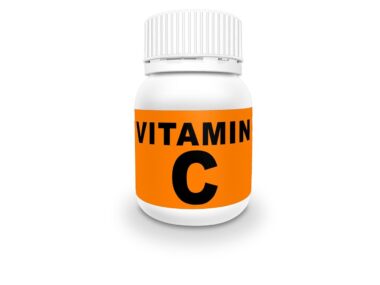
Iron is critical during pregnancy due to increased blood volume and the baby’s development needs. Vegetarian diets can often lead to lower iron intake, making supplementation important. Women should focus on non-heme iron sources, which are found in plant foods but are absorbed less efficiently than heme iron from animal products. Foods like lentils, chickpeas, quinoa, fortified cereals, and spinach should be staples in a vegetarian’s diet. Pairing these sources with vitamin C-rich foods, such as oranges and bell peppers, can enhance absorption. There’s also a variety of iron supplements available, which are suitable for vegetarians and can provide necessary amounts to support both the mother’s and baby’s health. It’s crucial to choose a supplement that also includes vitamin C, or to combine it with a vitamin C source, to maximize iron absorption. Monitoring iron levels through blood tests can help track if supplementation is effective. Pregnant women should avoid taking iron supplements without consulting healthcare providers, as excessive iron can lead to issues. Educating oneself about the proper dosage based on individual needs can contribute to a healthier pregnancy.
Folic Acid: Essential for Fetal Development
Folic acid is a B vitamin that is critical for DNA synthesis and cell growth, making it particularly important during pregnancy. It helps prevent neural tube defects, which can occur in the early stages of fetal development. Vegetarian diets can sometimes lack enough folic acid, therefore supplementation is often recommended. Women planning to get pregnant should ideally start taking folic acid supplements at least a month before conception and continue through the first trimester. Foods rich in folate include dark leafy greens, legumes, and fortified cereals, but reaching the recommended daily intake solely through diet can be challenging. Most healthcare experts recommend a daily supplement containing 400-800 micrograms of folic acid. Many prenatal vitamins include a sufficient amount of folic acid alongside other essential nutrients. When selecting a prenatal vitamin, vegans must ensure it is free from animal-derived ingredients. Consulting a healthcare provider can help find suitable vegetarian-friendly options. Regular prenatal care and follow-ups can help monitor folic acid levels, ensuring both mother and baby are receiving the right amount of nutrients for healthy development.
Vitamin B12 is vital for energy production, neurological function, and red blood cell formation, making it a key nutrient during pregnancy. However, since Vitamin B12 is primarily found in animal products, vegetarians are often at risk for deficiency. Supplementation is necessary for those who do not consume animal-derived foods to ensure adequate levels. Pregnant women should aim for at least 2.6 micrograms of B12 per day. They should consider taking a B12 supplement or multivitamin that includes B12 to support their needs. Foods fortified with B12, such as non-dairy milk, nutritional yeast, and some cereals can also help boost intake. Regularly checking B12 levels with a healthcare professional is advisable to ensure sufficient levels throughout the pregnancy. Adequate B12 status is crucial for fetal development, particularly for brain health. Incorporating B12-rich foods or supplements can contribute to improved vitality and overall health during pregnancy. A well-informed approach to supplementation can help mitigate potential deficiencies and promote a healthy pregnancy outcome. Women should prioritize discussing their specific dietary needs and supplementation with a healthcare provider.
Calcium for Bone Health
Calcium is crucial for bone health and development during pregnancy and serves to support the mother’s skeletal system as well. Since dairy products are a significant source of calcium, vegetarian women need to be mindful about their calcium intake. Plant-based sources include fortified non-dairy milk, tofu, almonds, sesame seeds, kale, and broccoli. Pregnant women should aim for at least 1,000 mg of calcium daily, which can be challenging without dairy products. For some, calcium supplementation might be necessary to meet this requirement, especially if dietary sources are insufficient. Choosing calcium citrate or calcium carbonate supplements can help provide the needed amounts effectively. Combining calcium with vitamin D also enhances absorption, so it is advisable to check vitamin D levels alongside calcium. Many prenatal vitamins contain calcium, but it’s essential to verify the dosage to ensure it meets individual needs. Consuming a well-balanced diet rich in calcium, in combination with regular check-ups, can significantly contribute to a healthy pregnancy. Understanding individual dietary needs and supplementing as necessary is key to overall health and fetal well-being.
Omega-3 fatty acids are essential for brain and eye development in the fetus, yet they can be challenging to obtain from a vegetarian diet. Omega-3s are primarily found in fish and seafood; however, pregnant vegetarians can consider plant-based sources like flaxseeds, chia seeds, and walnuts. These sources are rich in alpha-linolenic acid (ALA), a type of omega-3. While ALA is beneficial, the body needs to convert it into EPA and DHA, the forms found in fish, at a lower efficiency. Therefore, supplementation may be beneficial. Algal oil supplements are an excellent plant-based alternative that provides DHA directly. Pregnant women should consult their healthcare provider to determine the appropriate dosage tailored to their dietary habits and requirements. Incorporating omega-3s into their diet supports fetal brain development and contributes to overall health. It’s crucial to ensure adequate omega-3 intake throughout the pregnancy to promote optimal outcomes. Educational resources on vegetarian diets during pregnancy can assist women in understanding their nutritional needs more comprehensively, empowering them to make informed choices.
Consultation and Personalized Nutrition Guidance
Consulting with a qualified healthcare professional is essential for pregnant women, especially those on vegetarian diets. Personalized nutritional guidance can help ensure adequate intake of vital vitamins and minerals required for a healthy pregnancy. A registered dietitian or a nutritionist can tailor dietary recommendations to meet the individual’s specific needs, taking into account their food preferences, lifestyle, and health status. They can provide personalized advice on which supplements to consider and the proper dosages based on dietary intake. Maintaining regular healthcare visits allows for ongoing monitoring and adjustments to dietary needs as pregnancy progresses. Additionally, seeking support from vegetarian and vegan pregnancy groups can benefit women by providing collective experiences and tips. Utilizing online resources and tools for tracking nutrition can further enhance understanding and adherence to a balanced diet. Staying informed about the latest research on vegetarian diets in pregnancy can also empower women to make educated choices. Ultimately, proactive management of nutritional needs can support maternal and fetal health, contributing to a successful pregnancy experience.
In conclusion, ensuring adequate supplementation during pregnancy is a priority for vegetarian women. Key vitamins and minerals, including folic acid, iron, vitamin B12, calcium, and omega-3 fatty acids, play crucial roles in supporting both maternal health and fetal development. Consultations with healthcare professionals should guide the selection of appropriate supplements and dietary adjustments to meet personal needs. Integrating nutrient-rich plant-based foods extends additional benefits and mitigates potential deficiencies. It is vital to monitor progress and health markers throughout the pregnancy journey. Understanding dietary requirements can foster confidence in making nutritional decisions, ultimately leading to positive health outcomes. Taking a proactive approach to supplementation enables pregnant vegetarians to navigate their dietary choices effectively, ensuring their own health and the well-being of their child. Continued education, resources, and support networks are invaluable in this journey. By focusing on nutrition, pregnant vegetarians can embrace their lifestyle while adequately supporting their pregnancy. This comprehensive approach to dietary health prepares them for the joys of motherhood ahead.