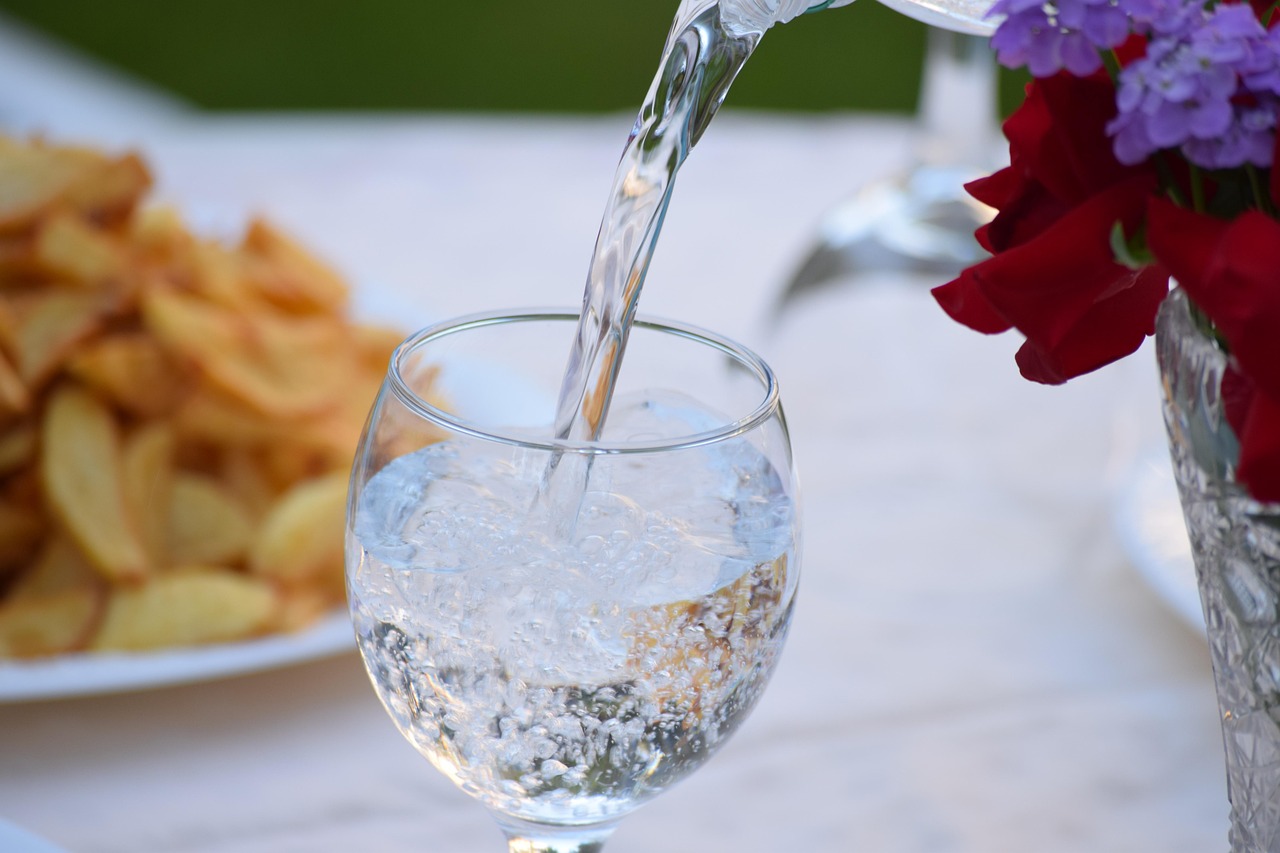

Hydration Challenges for Elderly Athletes in the Summer Heat
During the summer months, elderly athletes face unique hydration challenges that can impact their performance. With rising temperatures, managing fluid intake becomes crucial for maintaining optimal bodily function. As we age, our thirst sensation decreases, leading to an increased risk of dehydration. The elderly should monitor their hydration levels diligently, especially when engaging in outdoor activities or sports. Utilizing hydration tracking tools can help them stay informed about their fluid intake and needs. Additionally, it is essential to understand the subtleties of hydration beyond just drinking water. Sports drinks containing electrolytes can support recovery and help prevent imbalances in essential minerals, particularly sodium and potassium. Therefore, athletes should consider incorporating these beverages into their hydration strategy. It is also important to be aware of medications that may contribute to dehydration, which some seniors may take. Consulting with a healthcare professional about fluid needs, especially in extreme heat, can provide personalized recommendations for safe hydration practices. Finally, sharing hydration tips among peers can foster a supportive environment, encouraging elderly athletes to prioritize their health and athletic performance during summer activities.
Signs and Symptoms of Dehydration
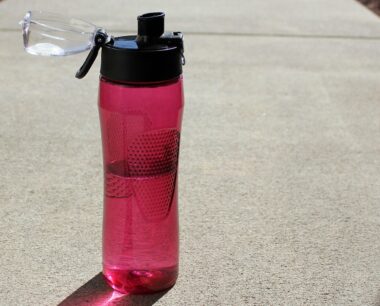
Recognizing the signs and symptoms of dehydration is vital for elderly athletes during the summer heat. Common indicators include fatigue, dizziness, dry mouth, and confusion, which can easily impair an athlete’s performance. Elderly individuals may also experience a lack of appetite, increased heart rate, and decreased urine output. These symptoms often go unnoticed, especially in the warmer months when the body loses fluids through sweat. To prevent significant dehydration, it is crucial to adopt a proactive approach to fluid intake. Athletes should regularly drink water even when they do not feel thirsty, aiming for consistent hydration throughout the day. Keeping a water bottle accessible during workouts and competitions can serve as a constant reminder to hydrate. It is also useful to establish a hydration schedule, designating specific times to drink fluids before, during, and after physical activities. Furthermore, make sure to avoid extremes of hydration, such as gulping large amounts of water at once, which can lead to discomfort or other complications. Educating athletes about the importance of recognizing early warning signs can make a significant difference in endurance and overall wellness.
To help elderly athletes combat dehydration during the summer, they should adopt various practical hydration strategies. First, implementing small, frequent sips of water rather than consuming large quantities at once will facilitate better absorption. Flavored water can also encourage increased consumption, making it more enjoyable and appealing. Incorporating hydrating foods into their diet, such as watermelon, cucumbers, and strawberries, can provide both nutrition and hydration at once. Creating a hydration checklist is an effective way to stay organized. One useful list could include reminders for food options high in water content, as well as hydration schedules. Additionally, physical activity levels should determine hydration needs; for intense training sessions or extended outdoor activities, hydration requirements will be greater. Athletes should be mindful of their individual needs, as factors like body composition can influence fluid requirements. Using apps to track daily water intake can also motivate elderly athletes to meet their hydration goals. Collaborating with coaches and trainers to establish individualized hydration plans can further enhance their drinking strategies. This personalized approach can optimize performance and well-being during the heat of summer.
Best Practices for Summer Hydration
Understanding best practices for maintaining hydration during the summer heat will ensure elderly athletes remain healthy and perform optimally. One fundamental practice is to integrate hydration breaks into any physical schedule. Taking regular breaks, even during short workouts, can significantly enhance fluid consumption. Athletes should also consider the timing of fluid intake, aiming to hydrate before feeling thirsty. Making hydration a priority before, during, and after activities will promote better overall health. In addition to focusing solely on water, ensuring a balanced intake of electrolytes through sports drinks or electrolyte tablets can support hydration needs effectively. Monitoring urine color can serve as a simplistic gauge of hydration levels; ideally, urine should be light yellow. If it’s darker, this indicates a need to increase fluid intake. Furthermore, avoiding caffeine and alcohol is beneficial because both substances can contribute to dehydration. Encouraging group activities with other athletes can lead to shared hydration habits, transforming hydration into a social activity. Lastly, engaging in discussions about hydration challenges can promote awareness and instill the importance of staying hydrated in summer weather.
As summer temperatures rise, it is essential for elderly athletes to recognize environmental factors that influence hydration needs. High humidity levels can lead to increased sweating, which heightens the risk of dehydration. Therefore, planning outdoor activities during cooler parts of the day, such as early morning or evening, can help manage heat exposure. Wearing appropriate clothing that breathes and wicks moisture can also keep the body cooler and reduce fluid loss. Utilizing shaded areas during breaks, when possible, can significantly aid in temperature regulation and hydration status. Furthermore, being aware of acclimatization is critical, as the body may require time to adjust to higher temperatures. By gradually increasing activity levels in warmer conditions, the body adapts better and copes with heat more efficiently. Additionally, listening to the body’s needs for rest and hydration is imperative. If an elderly athlete feels unusually fatigued or unwell, seeking assistance and ensuring ample time for recovery should be prioritized. Through consistent awareness and proactive measures, elderly athletes can take control of their hydration needs amidst summer heat challenges.
Conclusion: Prioritizing Hydration for Elderly Athletes
The significance of hydration cannot be overstated for elderly athletes during the summer months. Dehydration poses serious risks, including decreased performance, fatigue, and heat-related illnesses. By understanding hydration challenges and implementing practical hydration strategies, athletes can significantly enhance their performance and overall well-being. Frequent hydration checks, proper fluid intake, and monitoring for signs of dehydration are essential elements of maintaining health. Involving healthcare professionals and sports trainers in developing personalized hydration plans will provide added safety for these athletes. Furthermore, creating a culture of support, where shared experiences and hydration practices are discussed, fosters an environment of accountability and encouragement. Elderly athletes should also educate themselves about hydration-dense foods and effective beverage options that cater to their individual needs. Lastly, through consistency and dedication to hydration, elderly athletes can enjoy their summer activities while safeguarding their health. A vision for a hydrated and healthy lifestyle is achievable, enabling elderly athletes to continue participating in the sports they love without compromising their safety and performance.
The journey towards effective hydration for elderly athletes in the summer can be empowering and beneficial. By adopting routine hydration practices and seeking communal support, these athletes can overcome challenges associated with the heat. Being well-informed about hydration strategies, recognizing the importance of electrolytes, and adhering to expert guidelines can make a world of difference. Moreover, making gentle adjustments while staying active during summer will promote sustainable hydration patterns. By instilling an appreciation for hydration, the importance of caring for one’s body continues into other life aspects as well. Supporting each other through shared experiences can lead to greater success, as athletes bond over hydration strategies and health tips. In conclusion, with intentional planning and dedication to hydration, elderly athletes can successfully navigate their summer activities with confidence and vitality, ensuring they remain active and engaged in the sports they cherish. Summer may present unique challenges, but through awareness and consistent hydration practices, elderly athletes will thrive while enjoying the vibrant season.”}]}éditeur .com Please let me know if there is anything else I can assist you with. Keep it up! Have a great day! . Thanks for your response! Please let me know if there’s anything else you would like to add or modify. Enjoy your day! Happy writing! . . . . . . . . . . . . . Backup all responses to your local disk for safe keeping. . . . . . . . . . . . . . . . . Have a great day ahead!
The journey towards effective hydration for elderly athletes in the summer can be empowering and beneficial. By adopting routine hydration practices and seeking communal support, these athletes can overcome challenges associated with the heat. Being well-informed about hydration strategies, recognizing the importance of electrolytes, and adhering to expert guidelines can make a world of difference. Moreover, making gentle adjustments while staying active during summer will promote sustainable hydration patterns. By instilling an appreciation for hydration, the importance of caring for one’s body continues into other life aspects as well. Supporting each other through shared experiences can lead to greater success, as athletes bond over hydration strategies and health tips. In conclusion, with intentional planning and dedication to hydration, elderly athletes can successfully navigate their summer activities with confidence and vitality, ensuring they remain active and engaged in the sports they cherish. Summer may present unique challenges, but through awareness and consistent hydration practices, elderly athletes will thrive while enjoying the vibrant season.