
The Use of Aromatherapy and Environmental Scents in Adaptive Fitness Settings
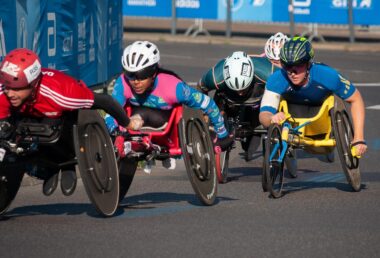
Aromatherapy and environmental scents can greatly enhance adaptive fitness settings. Using various essential oils and pleasant fragrances, caregivers and trainers can create an environment that reduces stress and enhances relaxation among individuals with disabilities. This sensory approach not only stimulates the mind but also encourages emotional well-being. For instance, lavender is known for its calming properties, making it perfect for pre-workout environments. Peppermint can energize and invigorate, beneficial before high-energy sessions. Using scents effectively can transform a space, providing stimulation tailored to individual needs. Furthermore, smells can trigger positive memories, enhancing motivation and performance. Attack stubborn negative perceptions surrounding exercise with sensory stimuli. In these scenarios, scents become supportive tools, tailored to each individual’s needs by catering to their preferences. Consider infusing essential oils into fitness equipment. Alternatively, consult with experts in aromatherapy to ensure safety and efficacy for individuals with respiratory sensitivities. Always prioritize scents that are well-tolerated. To maximize the benefits of aromatherapy, establish an awareness of personal responses to different fragrances. Engaging with scents can foster a more inclusive and supportive atmosphere for adaptive fitness.
Positive environmental or atmospheric conditions are known to enhance exercise performance. Elements like lighting and sound play a huge role in creating a welcoming atmosphere. Aromatherapy aligns effortlessly with these concepts. For adaptive fitness, incorporating environmental scents contributes to a holistic approach. Participants often experience increased engagement and motivation with tailored experiences. This reflects their psychological state, influencing their overall success in fitness endeavors. Moreover, anxiety or sensory overload are prevalent issues for individuals with certain disabilities. Introducing calming scents can alleviate these feelings, allowing individuals to focus on their workouts. Properly chosen aromas provide therapeutic benefits, enhancing mood and cognitive function. Studies also show that pleasant environments can lead to longer engagement in fitness routines. This is crucial in adaptive fitness, where consistency is key. Trainers may also employ different scents based on session types. Creative scent use transforms fitness equipment into engaging, multifunctional assets. As a result, gymnastics studios or adaptive aquatic programs flourish when paired with the right scents. Ultimately, essential oils are intended to create supportive atmospheres, boosting overall workout morale and fostering a sense of belonging within adaptive fitness settings.
Implementation of Aromatherapy Techniques
Implementing aromatherapy techniques in adaptive fitness settings requires careful planning and execution. It’s essential to introduce various scents strategically, catering to individuals based on their unique preferences and needs. Observe emotional responses during preliminary sessions when trying out different fragrances. Consider these individual responses before proceeding further. Some scents can evoke powerful memories or emotions, potentially leading to adverse reactions. Create a scent library accessible to participants, allowing them to choose their preferred oils. Seek expert advice regarding proper diffusion techniques to avoid overwhelming environments. Essential oils can be used in diffusers, but also consider scented towels or even lotions. Fragrance can be beautifully incorporated into stretching equipment or mats, merging functionality with sensory experiences. Each scent employed can be associated with a specific exercise, strengthening cognitive connections and improving performance. Additionally, safety precautions are paramount – ensuring oils are hypoallergenic and compatible with users’ health conditions. Always remain sensitive to possible inhalant sensitivities when implementing these approaches. Encourage personal feedback throughout the process, allowing participants to express their feelings about various scents during sessions.
Effective communication is fundamental when introducing aromatherapy in adaptive fitness classes. Inform participants about the benefits of different scents, ensuring they understand what to expect. Educational resources can significantly enhance acceptance and understanding of aromatherapy among individuals and caregivers alike. Organize workshops or informational sessions to demystify essential oils and their roles in fitness and well-being. Moreover, caregivers can facilitate discussions about personal experiences with aromatherapy. Success stories often inspire others, encouraging them to engage positively with scent therapy. Always prioritize participant autonomy, allowing them to dictate their engagement levels with aromatherapy elements. Developing a person-centered approach enhances adaptability in fitness settings. Highlight any concerns raised by participants and adapt the program accordingly. Additionally, gather continual feedback to refine and evolve the aromatherapy selections being utilized. Monitoring the effects of scents on performance can guide trainers in creating targeted approaches. This dynamic system fosters a supportive environment where challenges are addressed, encouraging commitment and progress. In developing customized experiences that offer both sensory and performance benefits, trainers and instructors can foster a sense of community within fitness programs.
Scent-based Feedback and Adaptation
Gathering participant feedback is crucial in adapting the use of aromatherapy methods within adaptive fitness environments. Create a non-intrusive way for users to express preferences and identify any sensitivities. Utilize simple surveys or verbal check-ins regularly. This process ensures continuous optimization of scent integration, enhancing the overall experience for everyone involved. Evaluate scents based on the feedback to strike a harmonious balance between personal preferences and therapeutic benefits. Effective communication keeps motivation high and reinforces individual comfort levels during every session. Track the effectiveness of implemented scents through connection improvements, participation rates, and willingness to return for additional classes. The collaboration between trainers and participants becomes vital as individual needs remain unique. Additionally, consulting literature on aromatherapy efficacy for specific disabilities helps outline best practices. This research-based approach strengthens trainers’ skills in adjusting exercises and scents to further optimize performance. Document successful combinations, aiding future instructors and trainers in replicating approaches effectively. This unity creates a rich support system, and everyone involved can share knowledge regarding their experiences with aromatherapy in adaptive fitness.
Aromatherapy’s potential reaches beyond enhancing personal experience, transcending into therapeutic realms for those with disabilities. Adaptability within this practice showcases its various strengths. Incorporate alternative treatments into comprehensive fitness programs, appealing to diverse needs and preferences. Mixed-method approaches contribute to developing tailored fitness strategies. Physical, psychological, and emotional support emerge as significant factors when addressing disabilities. This intersection fosters a comprehensive adaptive fitness atmosphere and helps cultivate holistic wellness. Participants benefit from feeling understood on multiple levels, creating deeper connections with themselves and their trainers. Engaging with aromatherapy enhances the emotional connections participants have with their workouts. Enhanced recall and emotional engagement during fitness activities fosters a sense of belonging within the group. This approach goes beyond attraction to an inclusive, non-judgmental setting, solidifying trust among peers. As relationships develop, individuals navigate challenges together. Encourage programs that promote social engagement while incorporating aromatherapy, combining social cohesion with sensory benefits. Ultimately, this dual alignment develops fitness routines focused on individual growth while uplifting the entire community. The evolution of adaptive fitness settings elevates experiences for participants, providing inclusive spaces where everyone can thrive.
Possible Future Directions in Aromatherapy
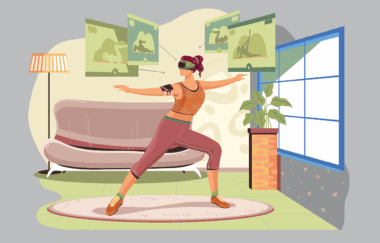
The future of aromatherapy in adaptive fitness holds significant promise as more research is conducted on its various benefits. Innovations in scent technology, such as programmable diffusers, could greatly enhance customized experiences in settings catering to fitness and disabilities. Harnessing technology may allow for real-time adjustments based on participants’ responses during sessions. Furthermore, integrating aromatherapy with virtual fitness platforms will expand its accessibility to individuals who may not attend physical locations. Ongoing studies promisingly showcase the efficacy of essential oils on mood, cognition, and exercise performance. A deeper understanding of various oils will encourage better implementation in adaptive fitness spaces. With advancements in the field of aromatherapy come opportunities to develop specialized programs focused on certain disabilities. Tailoring scent selection to match particular needs can catalyze further benefits. Exploration of blend combinations also plays a vital role; creating synergy among scents could optimize therapeutic results. Moreover, potential partnerships with aromatherapists can ultimately inform trainers about best practices for effective integration. A growing awareness of the importance of holistic approaches to fitness continues to flourish, emphasizing this evolving journey.
Calling upon personal experiences and research, communities can collectively contribute to maximizing the benefits of aromatherapy in adaptive fitness. Central collaboration among trainers, participants, and medical professionals assures a well-rounded approach to incorporating scents. Together, they can further promote adaptive fitness experiences that celebrate individuality while fostering a supportive atmosphere. This cultural shift toward holistic approaches in health and fitness embraces inclusivity for everyone. As society progresses in understanding diverse needs, embracing aromatherapy as a tool in adaptive fitness settings becomes paramount. Continuous advocacy for research and awareness will ensure these strategies remain relevant. Collective efforts should aim at raising awareness about potential health benefits derived from aromatherapy. Increased engagement leads to healthier communities thriving in supportive environments where everyone is welcomed and valued. An open dialogue surrounding the implications of scent utilization fosters trust and transparency, correlating well with participants’ enthusiasm for workout experiences. Aromatherapy’s future remains bright, presenting innovative chances to revolutionize personalized fitness journeys. The possibilities ensure that adaptive fitness continues evolving into a domain built upon inclusivity, connection, and growth for all.