
Tips for Making Low Glycemic Index Baking Delicious and Healthy
When it comes to baking low glycemic index (GI) recipes, choosing the right ingredients is crucial. Focus on whole, unprocessed foods that retain their nutritional value. Ingredients like whole grain flours, almond flour, and coconut flour are excellent alternatives to regular white flour. These options lower the GI and provide additional nutrients and fibers. Further, you should opt for natural sweeteners that have lower glycemic impacts, such as stevia, erythritol, or monk fruit. These sweeteners not only keep the blood sugar stable but also enhance the flavor without adding excessive calories. Incorporating healthy fats like avocado or olive oil can also improve texture and taste while maintaining a low GI profile. Pay attention to portion sizes as well; even low GI foods can lead to spikes in sugar if consumed in large amounts. Don’t forget to experiment with spices like cinnamon or nutmeg, which add flavor and nutritional benefits without increasing the glycemic load. In conclusion, making small yet significant changes in your ingredients can significantly boost the healthfulness of your baked goods.
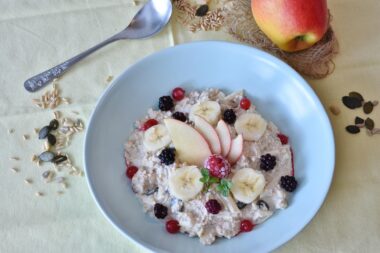
Knowing how to adjust your recipes can make a significant difference in preparing low glycemic index baked goods. It’s essential to substitute ingredients instead of making drastic changes to your beloved recipes. For instance, using half whole wheat flour and half almond flour can provide a tasty and nutritious alternative to white flour. You can also try gluten-free options to cater to specific dietary restrictions while keeping the glycemic index low. Moreover, when using sweeteners, start with a smaller amount and taste-test as the recipe develops. This allows you to find the perfect balance of sweetness without raising sugar levels unduly. Baking time and temperature adjustments may also be necessary due to variations in moisture content from different flours. Lastly, incorporating fruits like blueberries or apples can enhance flavor and moisture while keeping the GI low. Remember, each step to reduce the highest glycemic ingredients can help. To make the baking moment even more enjoyable, involve family or friends so that everyone helps make healthy choices in the kitchen, ensuring a delightful experience together!
Effective Techniques for Low GI Baking
Successful low glycemic index baking also involves specific techniques that serialize the process. One effective method is to add ingredients that naturally lower the GI of baked goods. This could include adding chia seeds or flaxseed meal, both of which improve the overall nutrient profile while adding fiber to your recipes. Mixing wet and dry ingredients separately can ensure even distribution of baking sodas and powders, which help with the texture and rise of your baked goods. In addition, incorporating moisture-rich ingredients like yogurt, applesauce, or mashed bananas can help reduce the need for added sugars or fats, leading to a healthier final product. Keep an eye on your baking times as low GI ingredients can bake at different rates. It’s advisable to use a toothpick test for doneness, helping to prevent overbaking. Remember also to let your baked goods cool properly after baking. This helps to enhance flavor and texture while allowing the low GI properties to stabilize. Taking these techniques into account will lead to more successful and delicious baking outcomes.
Another crucial consideration in low glycemic index baking is portion control. Serving size plays a vital role when determining how these baked goods affect your blood sugar levels. When you make a batch of low GI treats, it may be tempting to indulge. Use smaller baking pans to create more manageable portions, automatically controlling your serving size. Moreover, consider freezing portions for later consumption. This not only helps you avoid overeating but also maintains taste and nutritional value longer. Incorporating healthy sides like nuts, yogurt, or fresh fruits can transform a simple baked good into a complete meal or snack while keeping the GI low. Keeping your kitchen stock organized with low GI alternatives helps curb cravings as well; if healthy options are more accessible, this will allow good habits to flourish. Presenting beautiful, colorful plates with your baked goods can reinforce the joy of healthy eating. Finally, practicing mindfulness while enjoying your low GI bakes can lead to a more satisfying experience, helping to accept the natural sweetness of your delicious creations.
Exploring Flavor Combinations
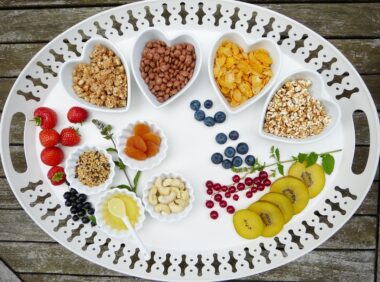
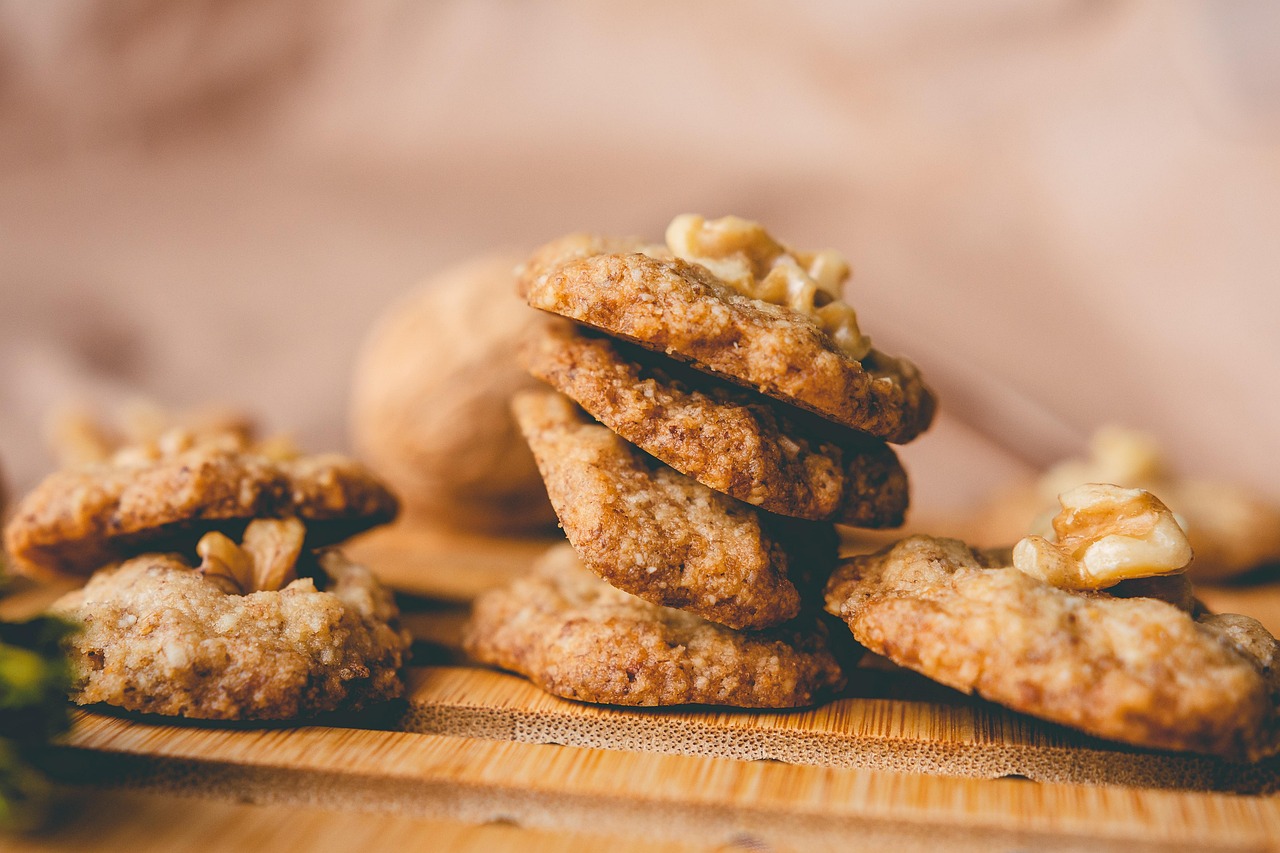
When baking low glycemic index recipes, it can be fruitful to explore diverse flavor combinations that capture attention. The key is balancing flavors while keeping the overall glycemic index low. Nuts, seeds, and dried fruits not only provide crunchy textures but also contribute to the flavors and health benefits. For example, a mixture of almond butter and banana can create a delightful base for muffins, while spices like vanilla or cardamom can add depth without raising the GI. When baking cookies or bars, incorporating a variety of nut butters can yield rich flavors and high-protein content. Furthermore, using fresh herbs like mint or basil in baked items adds an unexpected yet appealing twist, and each herb brings distinct health benefits. You can also consider adding citrus zest, such as from lemons or oranges, which provides brightness without increasing sugar content. The exploration of multiple flavors encourages creativity in the kitchen and allows you to find combinations that delight your taste buds while keeping things healthy.
Keeping track of your progress can also be incredibly beneficial when adapting to low GI baking. Take notes on the ingredients you use, their proportions, and the resulting flavors or textures achieved. This can help you refine your techniques and recipes over time. Utilizing a scale can assist you in measuring ingredients accurately for consistent outcomes, especially when experimenting with substitutes. Remember to experiment eagerly! Not every recipe will be perfect on the first attempt, so patience is key. Seek inspiration from health-focused cooking books or online communities that promote low glycemic index baking. Engaging with others in similar pursuits can enhance your knowledge base and offer new ideas to improve your healthy baking endeavors. Meals can also be planned around your creations for a well-rounded approach to eating. Pair these baked goods with flavorful side dishes to keep low GI meals fresh and exciting. The support of like-minded individuals can be invaluable, making your low glycemic journey a pleasurable experience filled with learning and personal satisfaction.
Final Thoughts on Low GI Baking
In conclusion, making low glycemic index baking delightful and nourishing is entirely possible. With intentional ingredient selection and slight modifications in methods, everyone can enjoy delicious baked goods while supporting their health goals. Continuous education on ingredients and techniques will empower you to tackle any recipe you desire. Engaging your family or friends fosters a community-oriented attitude toward health, making cooking together not just about food, but relationships and moments shared. Also, remember that perfection in baking is an illusion; enjoy the process, celebrate your achievements, and be gentle with yourself during trials. Explore and embrace flexibility in your baking style to prevent frustration when adapting recipes. Focus on the positives of your baking journey and use these tips to create rewarding experiences at home. Each recipe crafted contributes to your knowledge, leading to healthier baked satisfactions in every bite. Ultimately, by integrating low GI principles into your baking, you take significant strides toward a healthier lifestyle, balancing pleasure with nourishment for yourself and your loved ones.
In your quest for delicious low glycemic index baked goods, remember that every small effort counts. Every ingredient chosen wisely and every adjustment made contributes to a fulfilling cooking experience filled with both joy and purpose. By prioritizing wholesome ingredients and engaging in mindful preparation, you can create delightful pastries, breads, and snacks that everyone can enjoy without the consequences typical of high GI foods. The power of low GI recipes lies in their versatility and the potential they hold for a healthier lifestyle, allowing you to enjoy treats that do not compromise your well-being. So, roll up your sleeves, gather your ingredients, and indulge your creativity while exploring the rewarding world of low glycemic index baking.