
Top 10 Strength Training Exercises for Maximum Muscle Growth
Strength training is crucial for anyone looking to enhance muscle growth and overall fitness. Focusing on compound movements can yield greater muscle gains compared to isolation exercises. Compound exercises engage multiple muscle groups, which not only increases the number of muscle fibers recruited but also enhances hormonal responses that further promote growth. Additionally, strength training improves bone density, enhances joint function, and boosts metabolism, making it essential for long-term health. By incorporating various strength training modalities, individuals can challenge their bodies and stimulate growth effectively. Using free weights, resistance bands, and even bodyweight exercises can provide a comprehensive approach to muscle development. It’s also essential to follow proper form to avoid injuries, which can hinder progress. Tracking progress and adjusting weights as needed ensures continuous improvement. This adaptive training strategy keeps workouts engaging and efficient. Nutrition plays a crucial role as well; a balanced diet rich in proteins and essential nutrients aids recovery and muscle growth. Combining these factors leads to optimal performance in strength training and helps individuals achieve their fitness goals effectively.
One of the best exercises for muscle growth is the barbell squat, which effectively targets the quadriceps, hamstrings, and glutes. As a compound exercise, it allows for lifting heavier weights, facilitating more significant muscle stimulation. To perform a squat, position a barbell across your shoulders while standing with feet shoulder-width apart. Lower your body by bending your knees and hips, then return to a standing position. Proper form is essential to prevent injuries and maximize effectiveness. Similarly, the deadlift is another powerhouse exercise that works multiple muscle groups, including the back, glutes, and legs. Focus on maintaining a neutral spine during the lift to ensure safety. A great variation to try is the Romanian deadlift, which emphasizes the hamstrings. Keep the barbell close to your body throughout the movement for optimal engagement. Additionally, the bench press is a staple exercise for building upper body strength, particularly targeting the pectorals. Whether using dumbbells or a barbell, ensure a full range of motion for maximum hypertrophy. Then, incorporate exercises like pull-ups to work on back strength and achieve balanced muscle growth.
Incorporating Diverse Strength Training Techniques
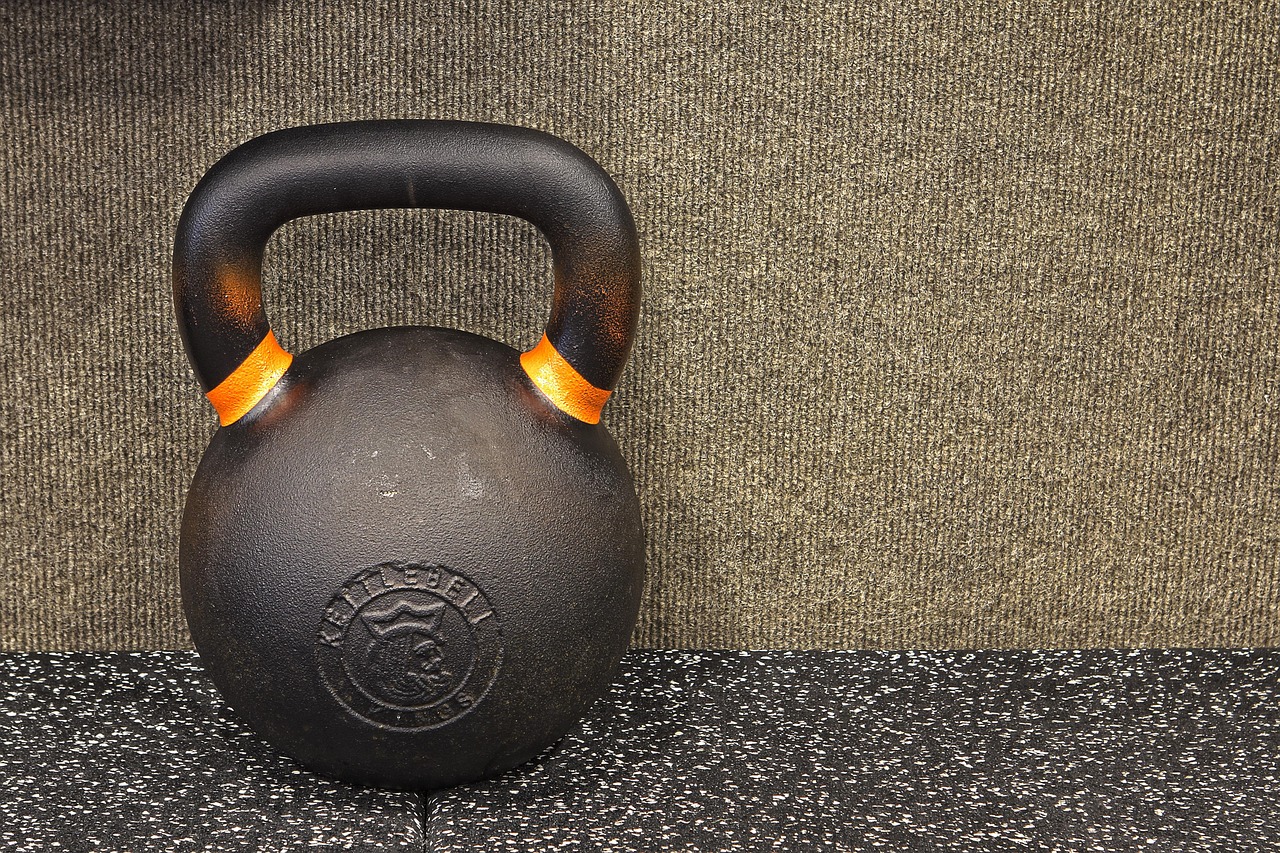
Another essential strength-building exercise is the overhead press. By pressing a barbell or dumbbells overhead, you activate the shoulders, triceps, and upper chest, promoting impressive upper body strength. This exercise can also enhance stability and core strength, contributing to muscle growth in supporting areas. Focus on a controlled motion as you lift the weights, allowing for steady increases in resistance over time. Moreover, lunges deserve a place in your workout routine due to their versatility in targeting the lower body. Forward, reverse, and side lunges each offer varying challenges to your quadriceps, glutes, and hamstrings. Use body weight initially, progressing to added weights for enhanced intensity. Incorporating kettlebells into your routine opens up various exercise options to increase muscle engagement. The kettlebell swing, for instance, combines cardiovascular endurance with muscle activation, providing a unique functional strength workout. Alongside these exercises, it’s crucial to maintain your core strength alongside leg and back training for stability and injury prevention. Working on your core through planks or medicine ball exercises further maximizes your strength training results.
A significant advantage of strength training is its ability to boost overall athletic performance. Exercises such as the row engage the upper back and biceps while improving posture and building essential containing muscles. This exercise also promotes balanced muscle development, which can prevent injuries during athletic performance. While performing rows, focusing on squeezing your shoulder blades together enhances effectiveness. Moreover, incorporating variations like inverted rows or resistance band rows allows for progress in strength levels. To complement these workouts, the push-up is a classic bodyweight exercise that builds upper body strength, engaging the chest, shoulders, and triceps. They can be modified in numerous ways, including incline or decline variations, making them suitable for all fitness levels. Ultimately, a well-rounded strength training program should include exercises targeting various muscle groups effectively. Combining compound with isolation exercises can make programs more engaging and result in significant growth. Recovery is equally essential; ensure sufficient sleep and nutrition to promote muscle repair and adaptation. Consistency in adhering to your strength training schedule will yield the best long-term results in muscle growth and overall performance.
Progressing and Measuring Strength
When designing a strength training program, it’s vital to start with a solid foundation to avoid injuries. Always include a proper warm-up to prepare your muscles and joints for challenging movements. As you continue your training journey, integrating progressive overload will be essential for sustained muscle growth. This principle involves gradually increasing the demands placed on your body during workouts, such as adding more weights, increasing repetitions, or adjusting the speed of your lifts. Monitoring progress through various tools like training logs or fitness apps can also motivate individuals as they see their development over time. Additionally, set clear and attainable goals to create benchmarks along the way. This could include improving the number of repetitions for specific exercises or enhancing overall lifting capacities. Nutritional strategies supporting strength training include protein consumption before and after workouts to maximize muscle recovery. Aim for adequate hydration as well, since fluid balance impacts performance and recovery. Pairing effective strength training with focused nutrition strategies leads to optimal results in muscle growth and overall fitness, ensuring that individuals can tackle various fitness challenges.
The final components of a successful strength training program involve maintaining motivation and adhering to consistency. Surrounding oneself with supportive peers or a professional trainer can inspire individuals to push beyond their limits. Joining a fitness community can help provide accountability and set achievable standards for continued growth. Utilizing varied methods to keep workouts fresh and exciting, including different training styles, such as circuit training or supersets, can further maintain interest and involvement. Monitor your physical and emotional response to workouts and adjust intensity as necessary. Creating a structured training calendar can also reinforce consistency, as it lays out clear expectations for weekly targets. Involve yourself in other fitness activities, such as yoga or mobility routines, to enhance recovery while promoting overall well-being. Strength training is not merely lifting weights but developing a holistic approach to fitness. Cultivating discipline and resilience through strength training can lead to greater achievements in performance and muscle development. Ultimately, anyone committed to following a structured training program will yield exceptional results if they remain dedicated to their goals.
In conclusion, embracing various strength training exercises will significantly enhance muscle growth and overall fitness. Each exercise, like the squat, deadlift, and bench press, targets key muscle groups, fostering holistic development. Utilizing proper form and gradually increasing resistance ensures that each workout is effective and contributes to muscle stimulation. Essential variations like lunges, overhead press, and rows engage supporting muscle groups while promoting growth across multiple areas. Combining these with bodyweight exercises can enhance flexibility and stability, providing a well-rounded approach. Furthermore, incorporating progressive overload and monitoring progress through goals and logs fosters sustained improvement over time. Additionally, nutrition aligned with training, including protein-rich foods, enhances muscle recovery and adaptation post-exercise. Achieving optimal results in muscle growth requires dedication, consistency, and a positive mindset. Joining a fitness community or finding a mentor can foster motivation and accountability; remaining adaptable, focused, and open to adjusting strategies will yield long-term benefits. Embrace the journey and enjoy the transformations that come with it. With the right strength training approach, maximum muscle growth is attainable for anyone willing to commit to their fitness goals.