
Tracking Protein Intake for Better Workout Progress
Proper post-workout nutrition is critical for your body’s recovery and growth. Protein intake after exercise plays an essential role in muscle repair and synthesis. It is widely recommended to consume protein-rich foods or supplements after workout sessions, as this helps stimulate muscle protein synthesis rates. This process is crucial for improving workout progress and enhancing performance. If you aim to build muscle or enhance recovery, tracking your protein intake can be beneficial. Utilizing food diaries or mobile apps can assist in monitoring your daily intake accurately. Set your protein goals based on your individual weight, muscle-building goals, and activity levels. Most fitness experts suggest an intake of 1.2 to 2.0 grams of protein per kilogram of body weight. Remember, just focusing on protein is not sufficient. Ensure that your overall nutrition is balanced, considering carbohydrates and healthy fats as well. Additionally, hydration plays a vital role in recovery, so drink enough water. Integrating these factors into your post-workout routine will significantly improve your results, allowing you to achieve your desired fitness goals effectively. Achieving optimal protein intake can be a game-changer for workout enthusiasts.
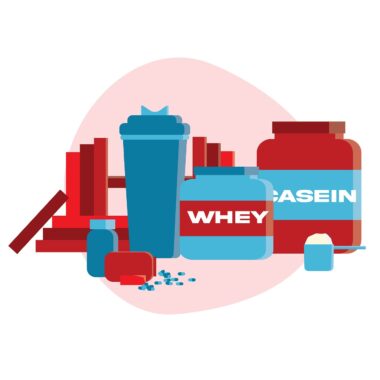
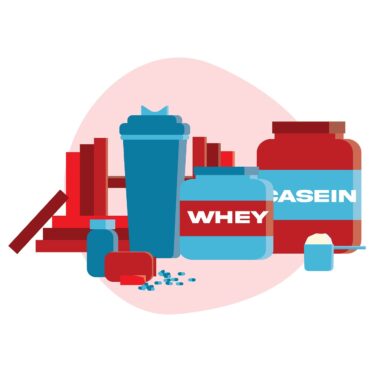
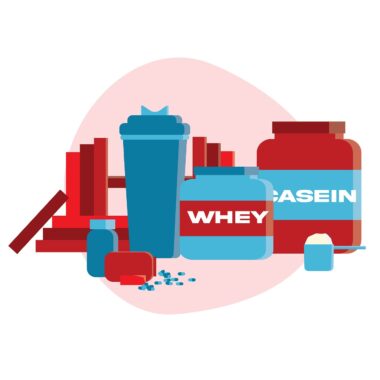
After understanding protein’s importance, the next step is to choose the right sources. There are many options for protein intake after workouts, including both solid and liquid options. Lean meats such as chicken, turkey, and fish are excellent sources of protein that are low in saturated fats. Plant-based protein sources, like legumes, lentils, nuts, and seeds, provide additional nutrients. While protein shakes and bars are convenient, they should complement a balanced diet rather than replace natural food. When selecting protein products, pay attention to labels and choose those with minimal additives and sugars. It’s essential to consume protein shortly after exercise, ideally within 30 minutes to two hours, to maximize muscle recovery and growth. This is often referred to as the “anabolic window,” a period where your muscles are primed to absorb nutrients. Incorporating varied protein sources can ensure you’re getting a diverse array of amino acids, aiding in recovery. Additionally, keep track of how different sources make you feel, as personal preferences can influence adherence to post-workout nutrition plans. Experiment with new recipes and ideas to keep your post-workout meals enjoyable and effective.
The Role of Timing in Protein Intake
Timing your protein intake can significantly influence your recovery. Aim to consume protein and carbohydrates together after workouts for optimal recovery. Carbohydrates facilitate replenishing glycogen stores, which is essential after intense training sessions. By creating a post-workout meal or snack that includes both, you can further enhance muscle recovery. For example, a combination of Greek yogurt and fruit or a smoothie with protein powder, banana, and nut butter can be particularly effective. In addition, consider spreading your protein intake throughout the day to maximize muscle protein synthesis. This involves including protein in each meal and snack, rather than loading it all into one meal. Studies also suggest that consuming more than 20-30 grams of protein at a time yields diminishing returns for muscle synthesis. Instead, aim for consistent intake, with moderate amounts at various intervals throughout the day. Ultimately, this strategy helps maintain an anabolic state, which supports ongoing muscle repair and growth. Therefore, always plan your meals and snacks ahead, especially when you anticipate spending time at the gym. Good meal planning significantly enhances your chances of meeting your protein requirements consistently.
Though many focus on protein, hydration is equally crucial for recovery. Post-workout fluid intake aids in restoring hydration levels lost during exercise. Dehydration can hinder performance and recovery, leading to muscle cramps and fatigue. Always ensure you’re drinking sufficient water post-exercise, especially after intense workouts. In some cases, electrolyte drinks can be beneficial, particularly after prolonged or vigorous workouts. Pay attention to your body’s thirst signals and drink regularly throughout the day. Furthermore, know that individual needs vary based on exercise intensity, duration, and climate conditions. It’s usually a good practice to weigh yourself before and after workouts to help gauge fluid loss. A weight difference of about 1 pound post-exercise generally equates to about 16 ounces of fluid loss, and hydration should be adjusted accordingly. Additionally, consuming water-rich foods like fruits and vegetables can also be effective. This balanced approach to hydration, alongside adequate protein after workouts, will vastly improve recovery processes and overall performance. Keep in mind that what works best for you may vary, so experiment and adjust based on how your body responds.
Determining Your Ideal Protein Needs
Understanding your specific protein needs is vital for effective post-workout nutrition. Several variables impact how much protein you should consume after workouts, including your age, sex, body composition, training intensity, and overall dietary habits. Generally, staying within the range of 1.2 to 2.0 grams per kilogram of body weight is recommended for individuals engaged in moderate to intense training. However, athletes or individuals in strength training may benefit from the higher end of this spectrum. Additionally, if you’re looking to lose weight, maintaining protein intake while reducing total caloric intake can help preserve lean body mass. Calculating protein needs can be done through various online calculators or consulting with a registered dietitian or nutritionist for specific recommendations based on your goals. Monitoring your training results while evaluating your protein intake can help fine-tune your approach over time. Remember that no single protein source is perfect; consider a variety of options to meet your complete amino acid requirements effectively. Integrating both fun and functional food choices can lead to better adherence to your nutrition plans for optimal results.
Documentation and tracking can aid in reaching your fitness goals. Using apps to track protein intake can simplify the process, especially when you start experimenting with new recipes and meal ideas. Apps allow tracking not just protein, but also overall calorie intake and macronutrient ratios, so you have a holistic view of your nutrition. Keeping a food diary can help identify patterns or shortcomings in your post-workout nutrition that hinder progress. Another approach is to prepare meals and snacks in advance, allowing you to conveniently grab the right options after workouts. As you see progress, staying consistent with your protein intake becomes less of a chore and more of a habit. Always remember to take notes on how certain protein sources affect your performance and recovery. This information can be invaluable in adjusting dietary choices to suit personal needs. Regular consultations with nutrition professionals may also offer further insights into best practices for your dietary requirements. Making informed decisions leads to sustainable habits and long-term success. Finally, never underestimate the importance of patience and persistence on your fitness journey.
Final Thoughts on Protein Intake
Tracking protein intake after workouts is a key component of developing a robust fitness routine. While realizing that protein is essential for recovery, consider integrating it into an overall balanced diet. Protein is not a magic solution; instead, blending it with proper hydration and carbohydrates ensures comprehensive recovery. Also, remember to tailor your protein goals based on personal factors, including your body weight and specific fitness objectives. Utilizing technology to track your intake can empower you to stay committed to your nutrition plan and consistently evaluate progress over time. Whether you prefer solid meals or convenient protein shakes, the essential factor remains your overall nutrition choices. Moreover, reevaluating your habits regularly helps you adopt necessary changes that enhance performance and health. Therefore, prioritize consistency in both workouts and nutrition. Emphasizing sustainable habits will ultimately lead to improved workout progress and health outcomes. Patience and dedication on this journey will pay off. Overall, formalizing thoughtful post-workout nutrition strategies will elevate your fitness levels considerably. Your body deserves nourishing support after all the hard work, and tracking protein is a reliable way to ensure that.
The overall conclusion of tracking protein intake for optimizing workout results points to some key aspects you should embrace. Ensure that you are aware of the protein sources that best suit your personal preferences and lifestyle. Whether it be through whole foods or protein supplements, remember to enjoy the process while sticking to your guidelines. Adaptability is crucial, especially when circumstances change in your routines or physical demands. The consistency in measuring your nutrition and results will help sculpt your journey towards health. The practice of documenting both your workouts and meals can reveal insight into what works best for your body over time. Additionally, developing and maintaining this foundation for nutrition will inevitably carry many benefits encompassing body composition and overall well-being. As you continue to evolve on your fitness journey, make sure to celebrate your milestones along the way while remaining committed to improved habits. Lastly, stay aware of the scientific advancements in nutrition and exercise science. Engaging in communities focused on fitness can provide valuable insights. Remember that achieving your desired results requires a harmonious blend of dedication, strategy, and enjoyment in your post-workout nutrition.