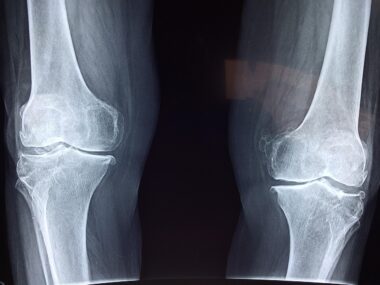

Hormonal Imbalances That Lead to Bone Loss
Bone health is intricately linked to hormonal balance, and imbalances can significantly impact bone density and strength. Hormones like estrogen and testosterone are vital for maintaining bone density, while a deficiency can lead to an increased risk of osteoporosis. Studies show that both men and women experience hormonal changes as they age, which can contribute to bone health deterioration. For women, particularly during menopause, estrogen levels drop dramatically, leading to accelerated bone loss. This can be concerning, as postmenopausal women are at a higher risk of fractures and other bone-related issues. Additionally, testosterone is crucial for men’s bone health, and low levels can negatively affect their bone density. A decline in testosterone can lead to brittle bones, further increasing the risk of fractures. Thus, maintaining hormonal balance is essential for both genders to prevent bone weakness and enhance overall health. Healthcare professionals often recommend regular check-ups to assess hormonal levels, especially in those over thirty, to identify any potential hormonal imbalances early on. Understanding the correlation between hormones and bone health is key in preventing future complications.
Osteoporosis is often labeled as a silent disease, as it can progress without noticeable symptoms until a fracture occurs. Hormonal imbalances, especially a decrease in sex hormones, can adversely affect bone mass. The role of estrogen in women is critical, as it helps protect against bone loss. A common misconception is that osteoporosis only affects elderly women; however, men can also suffer from this condition due to declining testosterone levels. Low testosterone levels in men can lead to decreased bone formation and increased bone resorption, substantially weakening bones. In addition to estrogen and testosterone, parathyroid hormone serves an essential role in calcium regulation and bone metabolism. The parathyroid hormone regulates calcium levels in the blood, influencing the bones’ health directly. When there’s an imbalance of parathyroid hormone, whether caused by gland dysfunction or other conditions, the result may be increased bone resorption. It’s vital to ensure adequate intake of calcium and vitamin D, as these nutrients significantly affect bone health. Prioritizing dietary and lifestyle choices helps mitigate the risks posed by hormonal imbalances and maintains optimal bone density.
Thyroid Disorders and Bone Health
Thyroid hormones significantly influence bone metabolism, with both hyperthyroidism and hypothyroidism potentially leading to bone density issues. In hyperthyroidism, excess thyroid hormone accelerates bone turnover, potentially heightening bone loss and fracture risk. This condition can lead to an increase in osteoclastic activity, which breaks down bone tissue faster than new bone is formed. Consequently, this imbalance heightens the risk of osteoporosis and fractures. On the other hand, hypothyroidism can also affect bone health, though the mechanisms differ. In cases of hypothyroidism, the slowed metabolism can lead to reduced bone remodeling, which may appear protective against bone loss. However, prolonged low levels of thyroid hormone can ultimately contribute to weak bones. It is essential to monitor thyroid levels, particularly in individuals with a family history of thyroid disorders. Medical interventions are crucial in managing thyroid dysfunction, ensuring that individuals maintain hormonal levels that support bone health. Patients experiencing symptoms such as unexplained fatigue or weight changes should consult their healthcare providers about thyroid function and its potential impact on bone density.
Another significant hormonal player in bone health is cortisol, known as the stress hormone. Chronic stress results in prolonged elevated cortisol levels, subsequently affecting bone density adversely. High cortisol levels can lead to increased bone resorption, classifying it as a risk factor for osteoporosis. In severe cases, chronic stress may accelerate bone loss, especially among the elderly or those already at risk. Managing stress through lifestyle approaches like yoga, meditation, and regular physical activity can help mitigate cortisol’s damaging effects on bones. Moreover, lifestyle modifications can further enhance overall bone health. Ensuring adequate sleep, engaging in weight-bearing exercises, and maintaining a balanced diet rich in bone-supportive nutrients is crucial. Vitamins K and D, along with calcium, also play significant roles in maintaining bone density. Research indicates that individuals with high levels of physical activity have lower risks of developing osteoporosis. Therefore, incorporating exercise into daily routines can support both mental and hormonal health, contributing to stronger bones. Hormonal balance, in conjunction with healthy lifestyle choices, is vital to preventing bone density loss and promoting overall well-being.
Importance of Regular Health Screenings
Regular health screenings are essential for identifying hormonal imbalances that may affect bone health. Blood tests can assess hormone levels, including estrogen, testosterone, thyroid hormones, and cortisol, providing valuable insight into an individual’s hormonal status. Early detection of imbalances allows for prompt intervention, potentially reducing the risk of osteoporosis and related complications. Moreover, routine bone density tests, such as DEXA scans, can help monitor changes in bone density over time. Individuals at higher risk, including those with a family history of osteoporosis or early menopause, should have routine screenings to maintain healthy bone density levels. Understanding one’s body is crucial for effective management of bone health. Additionally, healthcare providers often recommend lifestyle modifications based on screening results, offering personalized advice on nutrition and exercise plans tailored to enhance hormone levels and bone strength. The integration of screening into annual health check-ups can significantly impact long-term bone health outcomes, empowering individuals to take charge of their wellness. Overall, awareness and proactive health management are key elements in addressing hormonal influences on bone health.
Just as hormonal balance is essential for bone health, nutritional support plays a critical role in maintaining healthy bones. Nutrients like calcium and vitamin D contribute significantly to bone density and strength, working synergistically to optimize calcium absorption. Calcium is the primary mineral found in bones, and adequate intake is necessary for maintaining bone structure. Vitamin D, on the other hand, enhances the body’s ability to absorb calcium, making it vital for achieving desired bone health outcomes. Food sources rich in calcium include dairy products, leafy greens, and fortified foods. For vitamin D, natural sources include sunlight exposure, fatty fish, and fortified dairy products. Individuals relying on a primarily plant-based diet may need to pay special attention to their nutrient intake, ensuring they consume adequate amounts of these bone-supportive vitamins. Additionally, incorporating magnesium, zinc, and omega-3 fatty acids into the diet can further enhance bone health. Supplementation may be necessary for those unable to meet recommended dietary allowances through food alone. Consulting a healthcare provider regarding dietary needs can help individuals devise a comprehensive plan promoting optimal hormonal and bone health.
Conclusion: Embracing a Holistic Approach
Addressing hormonal imbalances and their impact on bone health requires a holistic approach that encompasses lifestyle adjustments, regular screenings, and dietary modifications. Understanding how hormones affect bone density is crucial for both prevention and treatment. Awareness of the various hormones influencing bone health empowers individuals to advocate for their wellness actively. It’s essential to recognize that factors such as stress, age, diet, and physical activity play vital roles in maintaining hormonal balance. Proactive strategies, including regular exercise, stress management, and nutrition optimization, can significantly enhance hormonal health and, by extension, bone health. Those at risk should consult healthcare professionals to ensure that they stay informed about their hormonal status. The complicated relationship between hormones and bone health illustrates the importance of comprehensive healthcare. By prioritizing awareness, nutrition, and healthy lifestyle practices, individuals can maintain balanced hormones, thereby supporting robust bone health throughout their lives. In conclusion, proactive health management is essential to mitigating hormonal imbalances and their consequential impacts on bone density and overall health.