
Designing Postpartum Workouts that Include Your Whole Family
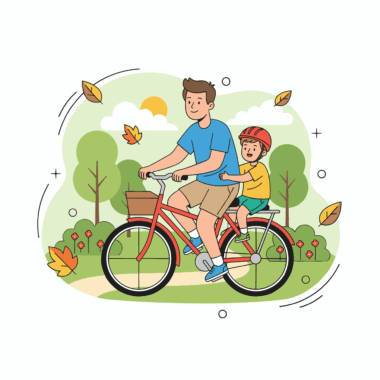
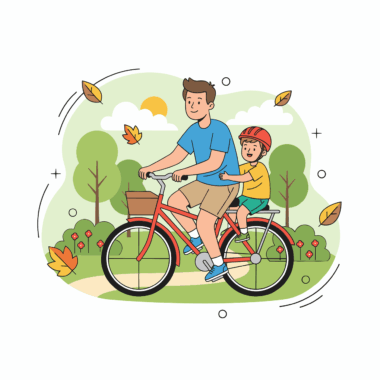
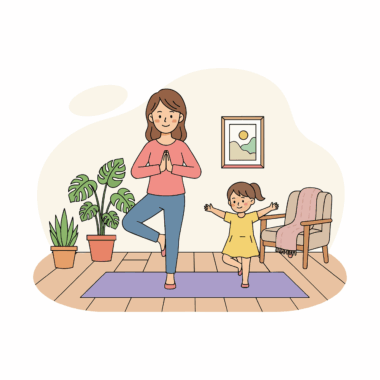
Integrating fitness into your family routine can be an enriching experience, especially in the postpartum phase of life. The key is to find activities that enable bonding while promoting physical health. Start with gentle movements that you can do together, such as walking. Take your baby on a stroller walk, encouraging older siblings to join on bikes or scooters. To make it more engaging, create a small scavenger hunt during the walk. Set simple tasks like spotting different trees or animals. This turns exercise into a fun family outing. Include short play breaks where kids can run or play games. Try incorporating outdoor yoga sessions, utilizing family time for relaxation. Also, consider bodyweight exercises that can involve your kids. For example, let them crawl under your legs while you do squats. Family workout sessions can also include dance parties at home, igniting the joy of movement, giving everyone a chance to express themselves rhythmically. This encourages fitness in a collective and positive environment, establishing a lifelong appreciation for health and activity within your family.
Creative Activities for Family Fitness
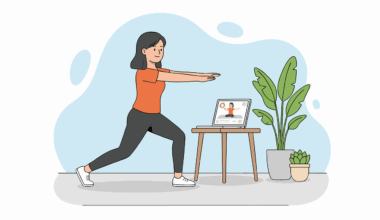
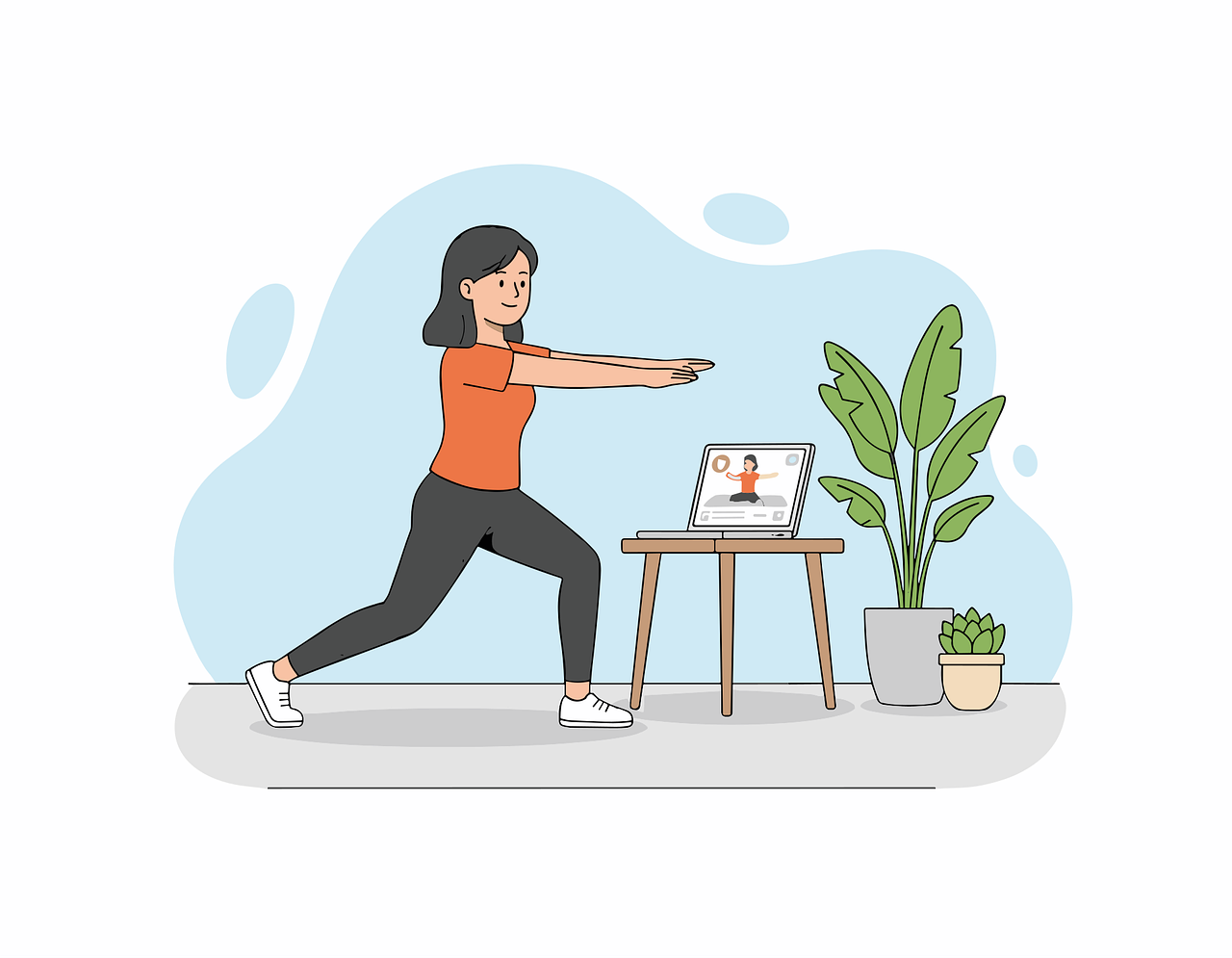
Creating enjoyable and innovative workouts with your family is essential for postpartum fitness. One idea is to engage siblings in play-based exercises that inspire movement while having fun. Games like tag or catch can be invigorating and improve cardio health. Additionally, set up an obstacle course in your backyard, utilizing items like hula hoops and cones. Participate together in simple fitness challenges, such as plank contests or jumping jacks. All family members can take turns leading different exercises, making it an interactive experience for all. Exploring local parks or nature reserves provides opportunities to hike with your children, combining adventure with exercise. Integrating fitness apps or kid-friendly videos allows families to follow along with fun choreography or guided workouts from home. Another idea is to organize a family sports day with activities like soccer or frisbee. Encourage everyone to cheer each other on while promoting healthy competition. Regularly scheduled fitness activities enhance family bonding, creating lasting memories. Find what works best for your family’s interests and keep the experiences fresh and exciting. Establishing a playful fitness routine sets a strong foundation for healthy living in your family.
To further develop a family-centered fitness approach, involve your kids in planning. Create a calendar where everyone selects an activity for the week. This inclusive strategy builds excitement and anticipation. Each family member can take charge of leading specific days, encouraging responsibility and ownership. Be flexible in adjusting the schedule based on your family’s energy levels or moods. One week could focus on dance, while another might celebrate yoga or strength training. Consider integrating a weekly family fitness challenge that includes everyone, such as step competitions tracked by smartphones. This injects a bit of friendly rivalry into the mix. Make sure to celebrate achievements, whether it’s hitting a new step goal or mastering a new dance move. Rewards can be simple, like choosing a movie for movie night. Engaging in fitness fosters teamwork and perseverance. Depending on the ages and preferences of your kids, introduce fun variations to keep workouts interesting. Some parents have also found success incorporating fitness into household chores, creating family projects like gardening or cleaning days, that can keep everyone moving while enhancing home life.
Making Fitness a Habit
To establish fitness as a consistent family routine, it’s important to have a dedicated time set aside for exercise. Early mornings or late afternoons after school may prove conducive for scheduling workouts together. When every member commits to specific timeframes, routines become habitual, making it easier to prioritize fitness. Set clear goals, both short-term and long-term, to promote focus. Create a visual chart to track progress and celebrate milestones collectively. This sense of achievement encourages ongoing motivation. Explain the benefits of healthy habits to your children; knowing they are keeping themselves healthy is rewarding. Reinforce good behavior through positive feedback excites kids about maintaining an active lifestyle. Be patient, understanding that life can be unpredictable, particularly in the postpartum stage. Adaptability remains critical when days become busy or overwhelming. Integrate family fitness activities into outings, like visiting the zoo or setting up family campouts in your backyard. Over time, these experiences build a strong appreciation for a healthy lifestyle, ensuring that fitness not only becomes routine, but also a cherished family tradition that contributes to overall well-being and happiness.
Incorporating nutrition education alongside family workouts can enhance your postpartum fitness journey significantly. It is crucial to combine physical activity with healthy eating habits, especially when children are young and impressionable. Involve your kids in preparing nutritious meals to foster an understanding of diet and exercise’s role in health. Explore new recipes together or grow some vegetables in a garden, linking food sources to your workouts. Create weekly meal plans emphasizing balanced nutrients, encouraging the whole family to select healthy options. Make it exciting; perhaps consider a food-themed week where everyone picks a different cuisine to try that still maintains healthy guidelines. Help your children recognize the connection between the foods they consume and their energy levels during activities. Family cooking days can not only bond you but also establish lifelong positive eating habits. Incorporating educational resources like books and documentaries themed around nutrition and wellness enhances understanding. Additionally, consider creating a homemade fitness journal for each family member to share what they learn while tracking progress. Cultivating these habits together reinforces the importance of collaboration in both fitness and meal planning.
Enjoying Family Bonding Through Exercise
All family fitness activities should emphasize enjoyment rather than obligation or pressure. Opt for fun, inclusive games that everyone can partake in while feeling respected and understood. Approach fitness from a perspective of shared experiences while developing strength, endurance, and flexibility. Family-centered workout plans alleviate stress during postpartum recovery by bringing joy rather than fatigue. Whether through laughter-filled yoga sessions or creatively planned family scavenger hunts, the approach is all about having fun. Maintain an open line of communication with your kids during workouts, encouraging feedback to foster cooperation. If your child expresses disinterest, explore alternative activities to involve them. Making exercise an entertaining experience ensures that kids develop a positive association with movement. It is essential to promote enthusiasm surrounding fitness rather than being overly serious. Keep a balance between structure and freedom within your fitness regimen, allowing your family to switch things up occasionally. Additionally, celebrate family workout days with a favorite treat, further solidifying the bond and excitement that comes with shared physical activity.
Building a supportive environment during your family’s fitness journey gives each member motivation and strength. Celebrate every milestone as a group and encourage goal-setting for growth. Share daily struggles alongside triumphs, fostering an atmosphere of openness and encouragement. Lead by example, as parents showcasing an active lifestyle greatly influences children’s perspectives on fitness. Demonstrate the importance of perseverance and hard work in your family workouts, reinforcing their significance. Avoid focusing solely on outcomes or appearance; instead, nurture an appreciation for physical activity’s inherent joys. As a family, share stories of progress, be it through achievements in fitness classes or new personal records set. Highlight the value of relationships built through these activities, emphasizing teamwork. Be prepared to adjust approaches to fitness as family dynamics change or as children grow, celebrating each phase. Lastly, incorporate evaluations of family fitness routines regularly, asking members about their preferences or any aspect they’d like to enhance. This ensures everyone feels valued and invested in your collective wellbeing, fostering strong family bonds and enabling a lifestyle of health and happiness into the future.