
Water Conservation Techniques for Sustainable Fitness Communities
Water conservation is crucial for ensuring that fitness communities remain sustainable and impactful. By implementing effective water-saving techniques, not only does it benefit the environment, but also allows for a healthier lifestyle overall. For individuals engaged in various fitness activities, being mindful of water usage is every bit as important as maintaining nutritional practices. Simple habits can have a significant impact, such as using reusable water bottles instead of single-use plastics. In addition, educating community members about sustainable practices plays a vital role in encouraging water awareness. Here are some techniques:
- Utilizing drought-resistant plants in landscaping can significantly reduce irrigation needs.
- Installing low-flow fixtures and appliances minimizes water wastage.
- Making use of rainwater harvesting systems can promote responsible water usage.
- Creating awareness initiatives to engage community members can motivate participation in conservation efforts.
By embedding these practices into the culture of fitness communities, profound changes can be achieved over time.
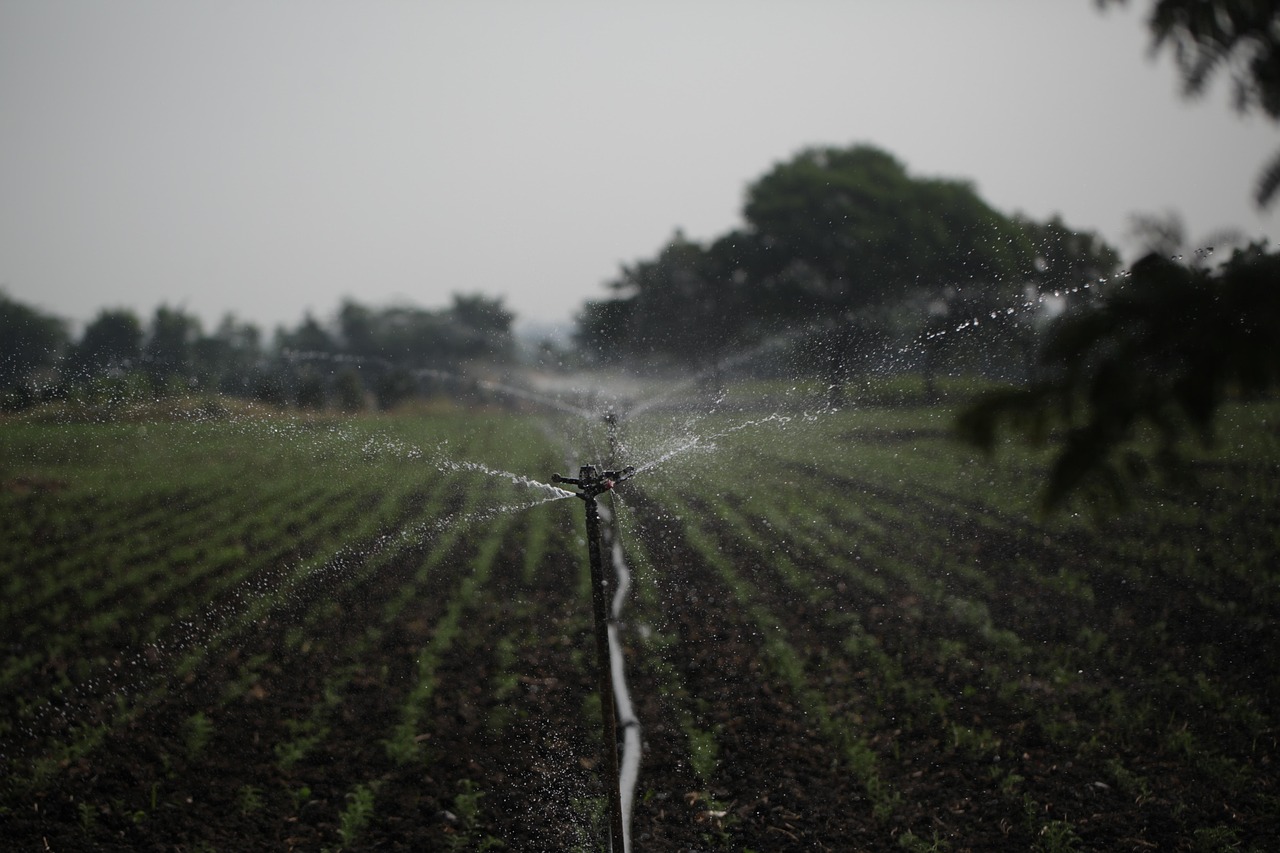
Moreover, integrating technology can enhance the efficiency of water conservation efforts in fitness communities. Smart irrigation systems, for instance, can optimize water use in outdoor spaces by measuring weather conditions and moisture levels in the soil. This ensures that plants receive adequate water without excessive waste. Furthermore, investing in apps that track water usage can help individuals and organizations set benchmarks and monitor improvements over time. Investments in green infrastructure, like permeable pavements, can assist in managing stormwater while contributing to groundwater recharge. Adopting these technologies provides a dual benefit — it fosters a fitness lifestyle while promoting environmentally friendly practices. Therefore, embracing design solutions that manage water more effectively is essential. Other noteworthy examples include:
- Rain gardens that absorb excess rainwater.
- Green roofs that provide insulation and manage stormwater runoff.
- Bioretention cells that filter pollutants from stormwater.
Such methods help fitness organizations establish themselves as leaders in sustainability, inspiring surrounding communities to follow suit.
In addition to structural strategies, behavioral changes are equally vital in achieving water conservation goals. Individuals can foster a culture of mindfulness regarding water usage through simple but impactful actions. These behaviors can revolve around conserving water during individual fitness routines, such as limiting water intake to essential amounts during workouts. For instance, scheduling shower times and ensuring no leaks or running faucets can further contribute to overall savings. Offering workshops or seminars on water-efficient practices can also encourage individuals to proactively engage. Here are some ideas:
- Participating in community clean-up events can raise awareness about local water bodies.
- Organizing group challenges focused on reducing water use can foster camaraderie.
- Promoting educational campaigns on the value of water conservation can drive interest.
Engaging community members will cultivate a shared commitment to safeguarding water resources, ultimately leading to sustainable practices within fitness initiatives.
Collaboration with Local Initiatives
Building partnerships with local water management initiatives can further augment the effectiveness of water conservation efforts among fitness communities. Collaborating with local government agencies, non-profits, and environmental organizations can yield more resources and knowledge. These alliances can lead to funding opportunities for community projects centered around water conservation. Moreover, they can produce workshops and webinars aimed at educating community members about the significance of responsible water use. Additionally, communities can participate in local events such as water conservation fairs to engage with wider audiences. By showcasing various water-saving devices and practices, fitness communities can inspire others to adopt similar practices. Other collaboration efforts might include:
- Co-hosting conservation challenges with local schools.
- Promoting regional volunteer days for river clean-ups.
- Creating educational outreach programs to encourage sustainable practices.
Such initiatives foster an environment of shared knowledge and responsibility, ultimately leading to a stronger, more sustainable fitness culture.
Implementing water-efficient landscaping techniques is another critical aspect of promoting sustainability in fitness communities. Utilizing xeriscaping, which emphasizes drought-resistant plants, not only conserves water but also adds aesthetic beauty to outdoor fitness spaces. This deliberately designed landscaping approach can minimize the need for supplemental irrigation. Incorporating native plants that thrive in the local climate can ensure lower maintenance and adaptation to environmental conditions. Furthermore, deliberating on how to set up communal gardens or food forests can showcase the connection between water conservation and healthy eating habits, enhancing community engagement through fun activities. People can benefit from activities such as:
- Planning and planting communal herb gardens.
- Hosting workshops on gardening techniques benefiting the local ecosystem.
- Involving children and families in sustainable planting events.
Over time, communities can observe a positive shift toward sustainable practices, driven by engagement in shared water conservation efforts and transforming landscapes into vital gathering spaces.
Recycling water through graywater systems is a highly effective strategy to ensure sustainability within fitness communities. These systems collect and reuse water from sources like showers, sinks, or washing machines for irrigation purposes. Utilizing graywater for watering plants not only reduces fresh water consumption but also repurposes resources that would otherwise go to waste. Communities can encourage members to adopt simple graywater systems, making sure to follow local regulations to maintain compliance and safety. Additionally, educational sessions can highlight the importance of proper graywater configuration to avoid contamination issues. Communities can facilitate:
- Workshops on installing graywater systems.
- Information sharing about legal requirements.
- Expert guidance on system maintenance and efficiency.
By promoting the use of graywater systems as a standard practice, fitness spaces can contribute to a more sustainable future while exemplifying water conservation methods that inspire collective action.
Promoting Awareness and Education
Promoting awareness about water conservation methods is instrumental in inciting positive action within fitness communities. Education must be at the forefront of these initiatives to ensure that members understand the significance of conserving water. Communities can organize classes that focus on sustainable practices and their implications for both the environment and overall health. Starting campaigns to educate on water issues can prompt individuals to take personal responsibility for their usage, leading to broader cultural shifts. Methods for raising awareness include:
- Creating informative newsletters discussing water conservation topics.
- Using social media platforms to share tips and success stories.
- Developing visual aids for community bulletin boards.
As fitness communities strive to make a difference, the conscious awareness of water conservation’s importance can inspire profound changes and willingness to adopt sustainable practices for the future.
Ultimately, each member’s commitment to water conservation strengthens the fitness communities, ensuring they become more resilient in facing environmental challenges. Engagement through these water-saving techniques not only enhances the sustainability of fitness spaces but also fosters a sense of responsibility and camaraderie among individuals. By fostering community involvement and collaboration, a culture rooted in sustainable fitness practices can take shape, benefiting both the environment and participants alike. The advantages of water conservation extend beyond immediate savings; they create a vision for a better reality where fitness and sustainability coexist. Future initiatives can focus on measuring impact through regular assessments, refining strategies to meet evolving needs. Regular evaluations allow communities to adapt to changing conditions while maintaining commitment. The journey toward water conservation unity begins with each of us; together, we can redefine what it means to live in harmony with the environment. Sustainable water conservation practices can elevate not just fitness communities but have far-reaching effects on the wider environment. This broader awareness shapes responsible behaviors and inspires future generations to remain engaged in managing natural resources effectively.