
Low-Sugar Recipes That Help Regulate Hormones
Hormonal health is paramount, and the right recipes can make a significant difference in how our hormones function. Low-sugar recipes focus on balancing hormones while providing delicious options that are enjoyable to eat. Traditional recipes often include high amounts of sugar, leading to blood sugar spikes and hormonal imbalances. By reducing sugar intake, we can nourish our bodies better and streamline hormone regulation. Starting with low-sugar meals, you can prepare recipes that incorporate hearty ingredients such as leafy greens, healthy fats, and lean proteins. Consistency is crucial when adopting a new eating style, which can lead to noticeable improvements in your health over time. Emphasizing natural foods instead of processed options will enhance hormone balance while supporting overall well-being. Let’s explore various low-sugar recipes that promote hormonal health and find joy in making delicious meals that suit your body’s needs. Take the time to plan your meals to ensure you get the nutrients necessary for keeping hormones in check and your energy levels stable. Remember, every small change counts towards improving health and wellness.
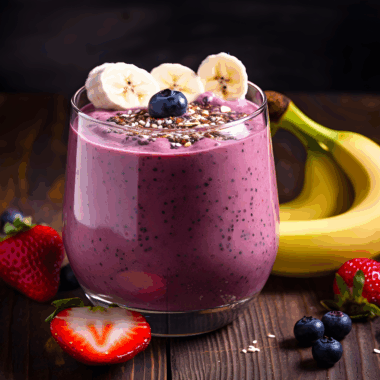
When it comes to breakfast, starting the day with a low-sugar, hormone-friendly option is essential. One popular recipe is the avocado and spinach smoothie, which is both filling and nutrient-packed. This smoothie combines ripe avocados with fresh spinach and unsweetened almond milk. The fibers and healthy fats of the avocado assist in keeping blood sugar levels stable while providing essential fatty acids. You can enhance flavors by adding a few drops of lemon juice or a sprinkle of chia seeds, which offer additional nutrients and texture to your smoothie. Another breakfast option is the oatmeal topped with mixed berries. Oats are beneficial for hormone regulation due to their fiber content, and berries contain antioxidants. Simply cook oats with water or low-fat milk and top it with a handful of mixed berries for added sweetness without the sugar. These breakfasts not only regulate hormones but provide sustained energy throughout the day. Remember to start your day with meals emphasizing whole foods, nutrient balance, and ensuring they are low in sugar.
Lunch Ideas
For lunch, consider incorporating a quinoa salad into your dietary plans. Quinoa is a great source of protein and fiber, making it an excellent choice for hormone regulation. To make a delicious quinoa salad, cook quinoa as directed and then let it cool. Mix it with diced cucumbers, cherry tomatoes, bell peppers, and a light olive oil dressing. The inclusion of fresh vegetables adds vitamins and minerals, which help the body function optimally. Another delectable option is a chickpea and avocado wrap. Use a whole-grain wrap filled with mashed avocado and seasoned chickpeas. Adding spices like cumin and paprika not only enhances taste but also supports health. Incorporating these types of meals keeps blood sugar stable and minimizes hormonal disruptions. Adjusting portion sizes based on individual needs is also essential for maintaining energy levels. These recipes exemplify how easy it can be to prepare nutritious and satisfying meals while managing sugar and supporting hormonal health. Eating with intention can lead to profound benefits in hormonal balance.
Snack options often come with sugars that can derail hormonal health, making it crucial to choose wisely. One fantastic low-sugar option is homemade energy balls. To make these, blend rolled oats, nut butter, and a small amount of unsweetened cocoa powder. Form the mixture into balls, and refrigerate them for a satisfying snack that includes healthy fats and fiber. Another ideal snack is vegetable sticks with hummus. Carrots, celery, and bell peppers provide crunch and texture paired with high-protein hummus made from chickpeas. This combination supports satiety and blood sugar control. Both snacks can be easily prepared in advance, making them convenient for busy days. Focus on natural food sources rich in protein and fiber that reduce sugar cravings and promote hormonal balance. Additionally, try to keep portion sizes manageable to avoid excess consumption. Preparing healthy snacks can help steer clear of sugary temptations. Regularly consuming these low-sugar options contributes to the maintenance of balanced hormones and overall wellness.
Dinner Delights
Dinner can also feature an assortment of low-sugar recipes, and one delicious option is baked with steamed vegetables. Salmon is rich in omega-3 fatty acids, promoting heart health alongside hormonal balance. Pair the salmon with a variety of seasonal vegetables, such as broccoli, zucchini, and bell peppers, drizzled with olive oil and roasted until tender. This dish exemplifies the connection between delicious, low-sugar foods and essential nutrients. Another lovely choice is a stir-fry featuring lean chicken and an array of colorful vegetables. Using low-sodium soy sauce or coconut aminos for flavor keeps the dish healthy. Furthermore, replacing rice with cauliflower rice adds fiber and minimizes calories from carbohydrates. Incorporating lots of vegetables not only provides nutrients but also helps control hunger, which is important in hormonal health. Focus on including fresh herbs and spices to enhance flavors while avoiding unwanted sugars. Planning these meals helps in achieving a delightful and health-promoting dinner, which is vital for maintaining overall hormonal balance.
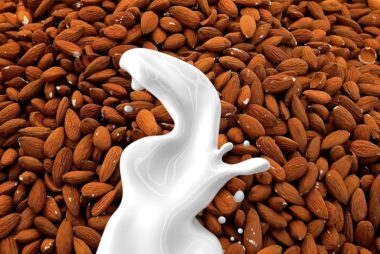
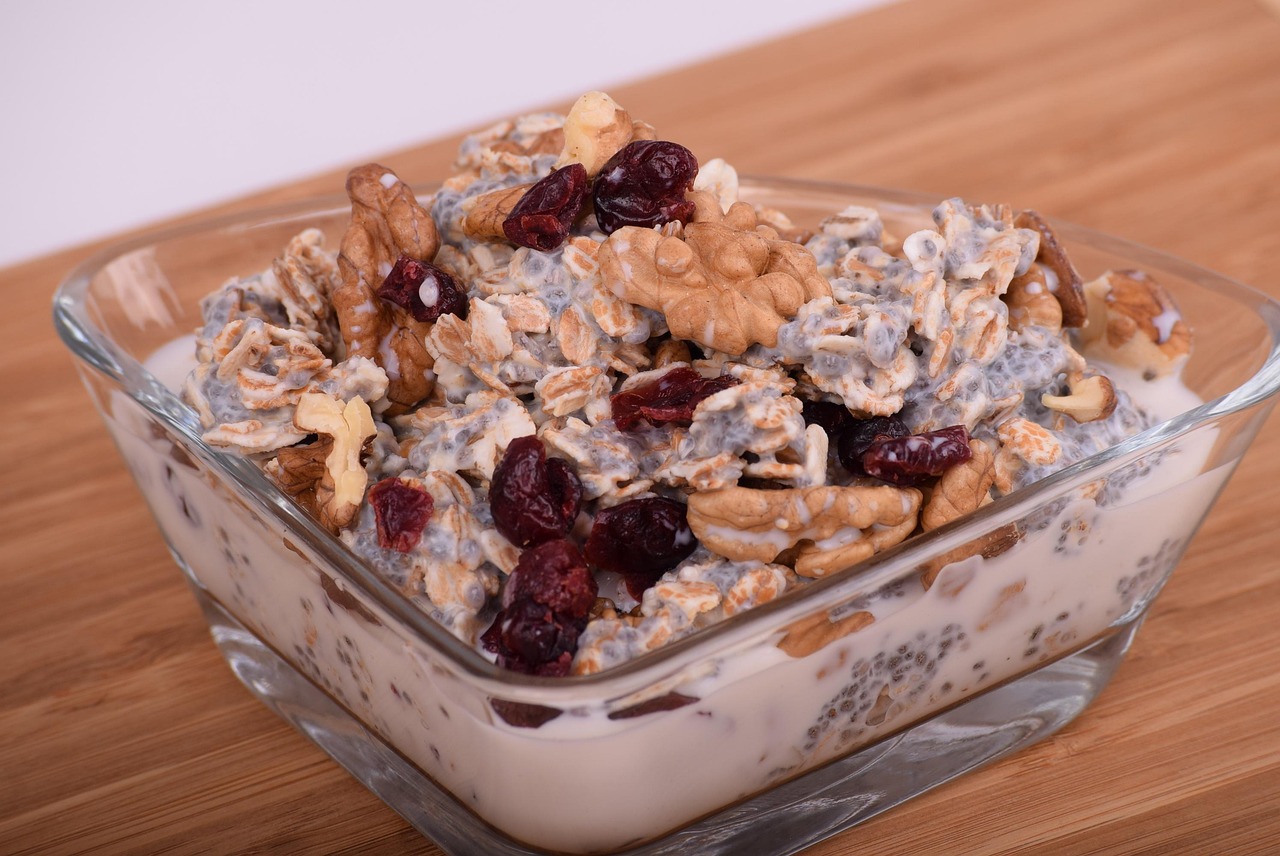
It’s important to keep desserts in check when aiming for better hormonal health. Creating low-sugar alternatives allows room for enjoyment without compromising well-being. A wonderful dessert option is homemade chia seed pudding, made with unsweetened almond milk and natural flavors such as vanilla or cocoa. You can sweeten it minimally with a sugar substitute if needed. Simply mix chia seeds with almond milk and refrigerate overnight. This pudding not only delivers antioxidants but also provides healthy fats and fiber. Another delightful option is sliced apples dipped in almond butter. The combination of the natural sweetness of apples with the protein-rich nut butter helps to balance blood sugar. Portion control is key; enjoy both desserts in moderation. These recipes replace traditional desserts while ensuring your dietary patterns remain aligned with hormonal goals. By choosing healthier alternatives, you encourage a satisfying end to your meal while promoting better hormonal regulation. Simple ingredients can produce delicious desserts that align perfectly with your health objectives.
Final Thoughts
In conclusion, discovering low-sugar recipes is essential in promoting hormonal health and overall well-being. These recipes range from breakfast smoothies to satisfying dinners and tempting desserts designed to support hormone regulation. By focusing on whole foods rich in essential nutrients, you can keep sugar levels stable while minimizing hormonal disruption. Remember to incorporate a variety of vegetables, lean proteins, and healthy fats into all your meals. Adjusting portion sizes and planning ahead are vital strategies for succeeding long-term in this endeavor. Consistent healthy eating habits can lead to a more balanced hormonal state, enhancing both physical and mental health. Transitioning to low-sugar recipes may seem challenging at first, but with time and dedication, it becomes easier and more fulfilling. Share these delicious recipes with friends and family, encouraging a collective journey toward better health. As you enjoy trying new flavors, remain mindful of how each meal contributes to hormone regulation and overall vitality. By choosing wisely, you create a lifestyle that promotes balance, energy, and well-being.