
Swim Fins for Rehabilitation: Getting Back in the Water Safely
Swimming can serve as an excellent rehabilitation tool, especially after an injury. Utilizing swim fins provides additional support while minimizing the risk of strain. They make it easier for individuals to regain strength and mobility, particularly in the legs and feet. The buoyancy offers benefits to those recovering from knee or ankle injuries, allowing for a less painful experience. Swimmers must choose the right pair, keeping in mind the materials and flexibility. Choosing soft rubber fins can facilitate comfort, whereas stiffer fins can enhance strength building. Each individual’s needs will vary based on injury type and severity. Before committing to swim fins, it is essential to consult with a medical professional or a trained swim coach. They can recommend suitable options that align with specific recovery goals. Ensuring a gradual return to swimming is vital, and utilizing fins can support this process. A structured rehabilitation swimming program will help keep track of progress. Ultimately, strengthening through swimming will not only aid recovery but also improve overall fitness, encouraging further participation in aquatic activities.
Benefits of Using Swim Fins
Swimming with fins not only aids recovery but also presents numerous advantages. They increase propulsion, allowing for both ease of movement and less exertion in the water. Consequently, this helps swimmers focus on stroke techniques without overexerting themselves. Enhanced kick strength is another significant advantage, as the fins engage muscles differently than regular swimming. This can be particularly beneficial for runners and cyclists looking for cross-training options. As a result, swim fins can support rehabilitation alongside traditional exercises, making aquatics a diverse training method. Additionally, they promote flexibility in the ankles, encouraging a full range of motion that may be limited post-injury. With improved flexibility, the risk of future injuries can decrease significantly. The ability to swim with fins also fosters confidence in the water, which is essential for mental and emotional recovery. Feelings of anxiety often accompany injuries, and swim fins help ease apprehension about returning to regular training. Individuals can establish new patterns and techniques, which can serve them well in future aquatic endeavors.
Implementing swim fins into a training routine requires understanding how to use them effectively. Start slowly by practicing basic swimming strokes, like freestyle or backstroke, to acclimate to the fins. Gradually incorporate various drills to focus on specific areas, such as kicking efficiency or breathing control. It’s crucial to pay attention to body positioning, as fins can shift the swimmer’s balance. Over time, swimmers can explore different types of strokes and develop better overall coordination. Maintain a consistent schedule to maximize rehabilitation benefits, as regular practice reinforces newly acquired skills. Additionally, cross-training in the water can complement traditional rehabilitation workouts, addressing different muscle groups. For example, combine swim fin training with resistance exercises to enhance muscle engagement even more. Consult with physical therapists or swim coaches to develop a structured plan tailored to individual needs. Evaluating progress through specific benchmarks can help track improvements over time. Adjustments can be necessary, ensuring that training aligns with recovery goals. Incorporate rest and recovery, as fatigue can lead to setbacks, impeding overall progress. Regular assessment of fitness levels is essential to predict when swimmers can transition back into land-based activities.
Choosing the Right Swim Fins
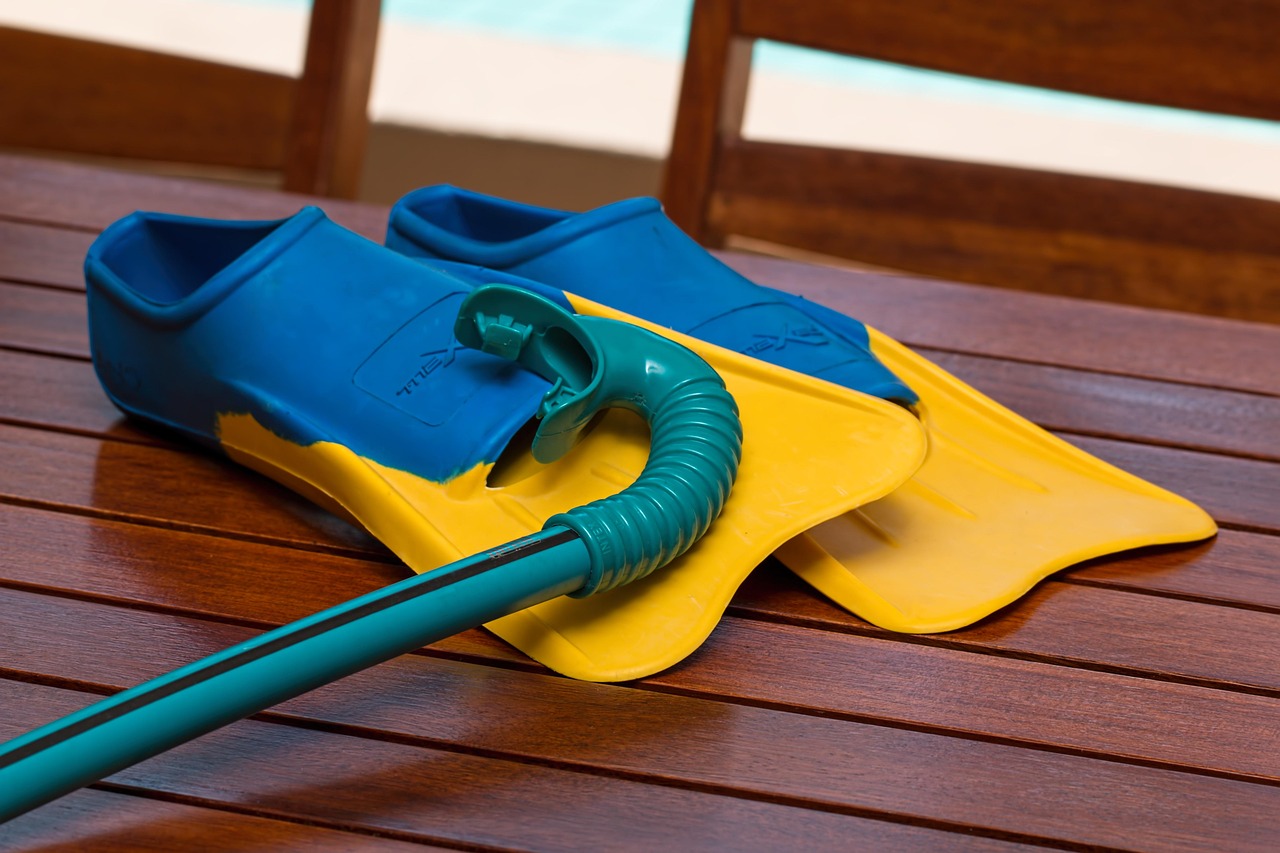
Selecting the proper swim fins is crucial for effective rehabilitation. The two primary types of fins available are short-blade and long-blade fins. Short-blade fins provide a more natural swimming experience, promoting a comfortable kick while enhancing technique. Conversely, long-blade fins will assist in building overall strength and power for those looking to regain muscle. Pay attention to fit and comfort when trying fins on. A snug fit is essential to ensure they don’t slip off during your swims but avoid excessively tight options that might cause discomfort. Consider fins with adjustable straps for a more personalized fit. Materials also vary, with softer, more flexible materials providing comfort, while stiffer fins can enhance performance. Investing in quality fins is recommended, as they serve as a long-term asset throughout the rehabilitation process. Brands dedicated to swim training will often design their fins with these aspects in mind. Additionally, exploring reviews from fellow swimmers can provide valuable insights into the performance of specific models. Research thoroughly, as finding the right pair will significantly impact one’s journey back to swimming.
Incorporating swim fins into rehab focuses not only on technique but also on mental wellness. Being in the water has therapeutic effects, providing a calming atmosphere for healing. Water activities stimulate endorphin release, reducing feelings of anxiety and depression that may accompany injuries. Engaging in structured aquatic practice instills a greater sense of control and confidence in one’s abilities, positively impacting recovery. Furthermore, joining a swim group or participating in classes that focus on rehabilitation can foster a sense of camaraderie. Social interactions with fellow swimmers will create encouragement and accountability, allowing individuals to push through physical and mental barriers. Establishing new friendships can offer emotional support, driving motivation on challenging days. Those returning to swimming often find inspiration from peers sharing similar experiences, further easing the journey back into the pool. Structured classes can also introduce valuable feedback as participants navigate through the swimming experience. Having a coach or instructor provides guidance on proper form and techniques while integrating the use of fins. Thus, joining a community-oriented environment can enhance rehabilitation by fostering motivation and accountability.
Tips for Successful Rehabilitation with Swim Fins
A successful rehabilitation process with swim fins involves consistency, technique focus, and gradual progression. To reap the maximum benefits, create a structured training schedule. Prioritize swimming multiple times a week, ensuring to include diverse skills workouts. Experiment with aimless drills, concentrating on kicks and strokes that derive benefits from fins. Consistency remains critical as developing muscle memory forms the foundation for returning to regular swimming. Monitor progress through technique videos to evaluate improvements. Furthermore, tracking lap times can motivate swimmers to push further. Set small, achievable goals that will lead participants to great successes in their recovery endeavors. Embrace the mental aspect of swimming, as it serves as a sanctuary for many. Allow ample time to relax and enjoy the experience. Listen to one’s body and be mindful of any discomfort. If pain arises, ensure adjustments are made to avoid setbacks. Combining land rehabilitation with aquatic therapy is beneficial for varied muscle engagement. Balancing both types of training will deliver comprehensive recovery without focusing solely on one method.
Ultimately, returning to swimming after an injury requires patience and dedication. Swimmers should celebrate each milestone achieved with fins, whether it be enhanced technique or increased distance. Keeping a recovery journal can serve as a personal reflection, noting progress and feelings throughout the journey. This reflective practice often aids in adapting to both successes and improvements sustainably. Share this journal with a coach or therapist to obtain valuable feedback and insights. Reassess goals, making necessary adjustments for continued growth. Ultimately, being proactive in one’s rehabilitation journey will lead to a more successful transition back to regular swimming. Those who remain committed to their training will experience a renewed sense of satisfaction from their effort and resilience. Staying motivated allows swimmers to embrace their renewed love for the water, returning stronger and more confident than before. Setting new challenges will keep the swimming experience fresh and exciting. As recovery progresses, maintain participation in swim-related activities. Engaging in community events or swim marathons is encouraged, allowing individuals to celebrate milestones together and uniting through shared passions for swimming.