
Incorporating Deep Breathing into Your Outdoor Exercise Routine
Engaging in outdoor workouts offers numerous advantages, and one effective approach to enhance your routine is by incorporating deep breathing techniques. Deep breathing not only helps in calming the mind but also enhances your physical performance. When combined with outdoor activities, this practice allows for a greater focus on your body and its movements. Additionally, fresh air contributes to an invigorating experience, making it more enjoyable. The calming nature of deep breathing also plays a significant role in regulating your heart rate and oxygen intake. By connecting your breath with your movements, you promote mindfulness, fostering a sense of tranquility even during high-intensity exercises. One of the easiest ways to start is by taking a moment before your workout to center your thoughts and direct your attention to your breath. As you warm up, integrate deep breaths into both your stretches and exercises to cultivate a rhythm. This practice can ultimately transform a standard outdoor workout into a holistic experience, aligning the body, mind, and spirit. Outdoor workouts combined with deep breathing can lead to improved mental clarity and physical resilience.
The Benefits of Deep Breathing
Deep breathing exercises provide a wealth of benefits that can profoundly enhance your outdoor workout routine. Some call deep breathing a life-changing practice due to its extensive advantages. By focusing on your breath, you activate your parasympathetic nervous system, which helps to reduce stress and promote relaxation. This calming effect can significantly contribute to your overall focus, allowing you to be more present during workouts. Moreover, deep breathing expands your lungs’ capacity, improving oxygen intake for enhanced physical performance. As a result, you can travel farther and push harder while enjoying the fresh air in nature. Deep breathing also aids in detoxifying the body, releasing carbon dioxide and other toxins that accumulate during intense exercise. Furthermore, individuals practicing deep breathing find that it promotes better sleep quality, leading to improved recovery times and greater endurance for future workouts. It can also minimize physical discomfort by relaxing the body’s muscles. Ultimately, integrating deep breathing into your outdoor routine can help you unlock a moderate yet powerful enhancement for both your mind and body.
Finding the right time to practice deep breathing is crucial for maximizing its benefits during outdoor workouts. Consider starting your session with a few minutes dedicated explicitly to this practice. Before you embark on your outdoor adventure, pause to ground yourself in your surroundings. Inhale deeply, focusing your mind on the natural environment around you. Picture the sights, sounds, and smells, and let them guide your breath. Such mindful breathing techniques create space for emotional clarity, making the exercise more meaningful. Additionally, as you progress through your workout, remember to consistently link your movements with your breath. For example, take a slow, deep breath in during strength phases, and exhale during the exertion phase of your exercise. This rhythm can help you maintain energy levels and enhance your performance. Also, integrating deep breathing into cool-down stretches enhances relaxation, aiding faster recovery post-workout. Plan to include these breathing exercises on a regular basis alongside various outdoor activities. Remember, being outdoors offers a unique opportunity to synchronize your mind, body, and nature through focused breathing techniques.
Outdoor Meditation: A Complement to Breathing
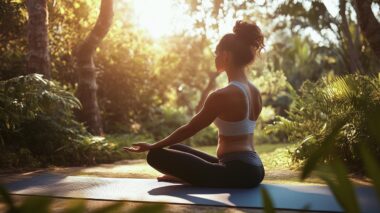
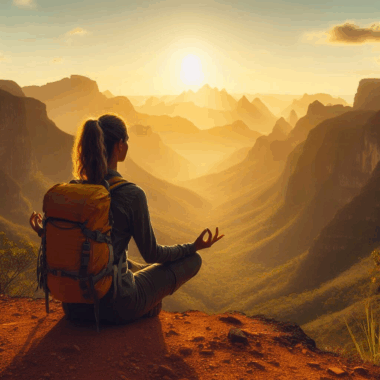
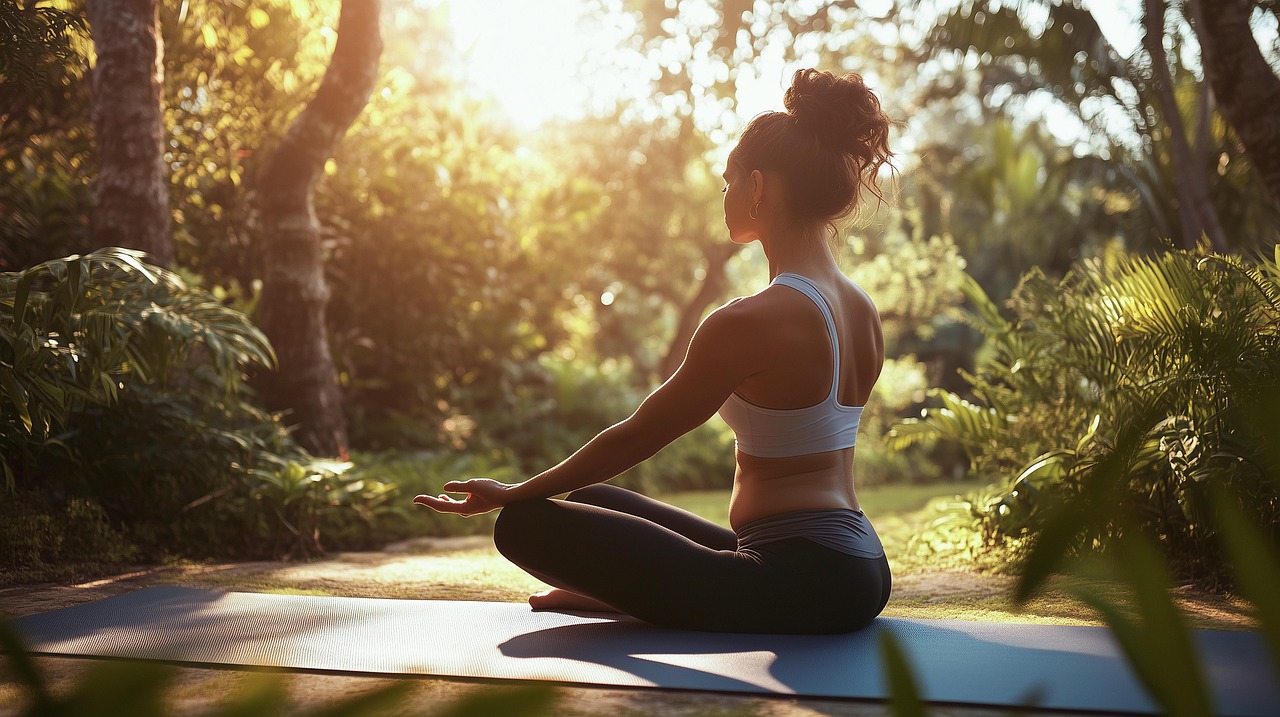
The practice of meditation serves as a powerful complement to deep breathing during outdoor workouts. When both practices are combined, they can significantly enhance your overall mental clarity and physical performance. Meditation allows for an introspective assessment of your feelings during exercise. When your mind is clear, you enable your body to perform at its optimal level. Consider incorporating brief meditation sessions into your routine. For instance, finding a quiet spot in the park can provide a serene environment for reflection. Close your eyes, focus on your breath, and let go of distracting thoughts. Deep breathing during meditation can heighten your self-awareness, promoting emotional balance. This balance can translate into better decision-making during workouts, including pace and intensity. Additionally, practicing gratitude for your capabilities fosters a positive mindset, which can improve your resilience. Outdoor meditation sessions might include visualization techniques, enhancing your focus for activities like running or cycling. Integrating meditation into your outdoor workout may be challenging initially, but patience and practice can create a rewarding experience that amplifies the overall health benefits.
Creating a balanced outdoor workout routine that includes deep breathing and meditation does not have to be complicated. Begin by allocating specific time blocks during your workout to focus on these practices. For instance, a warm-up phase can incorporate both stretching and controlled breathing. Explore various locations to enjoy the scenery and create stimulating environments by alternating your workout spots. Wide-open spaces or shaded parks are excellent, allowing you to connect with nature. Once you’re comfortable with your routine, experiment with different breathing techniques such as the 4-7-8 method or coherent breathing, which encourages a steady flow of breath. You can also involve friends or family in these practices, allowing everyone to experience the benefits. Group breathing exercises can foster camaraderie and enhance the sense of community. Devote yourself to practice these techniques regularly, and keep a diligent log of your progress. This diligent approach will help you adapt and evolve your unique outdoor workouts over time. Finally, celebrate the milestones you achieve through this holistic approach embracing both deep breathing and outdoor meditation.
Making the Most of Your Outdoor Environment
Your outdoor environment plays a pivotal role in how effectively you can incorporate deep breathing techniques into your exercise routine. Pay attention to your surroundings during workouts, as they can enhance your experience. Choose locations with fresh air, abundant greenery, and minimal distractions. Nature likely provides various elements that can elevate your deep breathing practice, including gentle breezes, rustling leaves, and harmonious birdsong. Take a moment to pause between workout segments to enjoy these sensory experiences while practicing mindful breathing. Utilizing nature not only reduces stress but also aligns your emotional state with the soothing qualities of the environment. This connection can significantly enhance your breathing techniques, helping you remain grounded. Additionally, consider varying your exercise routines to incorporate multiple outdoor spaces. Exploring local parks, beaches, or trails can make your workouts less monotonous. Outdoor environments can act as motivational forces, inspiring you to connect further with your breath and increase your overall performance. Crafting an engaging atmosphere amplifies your workout, enriching both the physical and mental aspects of outdoor exercise.
Establishing a community around outdoor workouts promotes accountability and motivation while encouraging deep breathing practices. Seek out local workout groups or outdoor classes focusing on mindfulness and meditation. Training with others not only serves as a social outlet but also provides valuable support networks for persisting with routines. Encourage your workout partners to focus on synchronized breathing during exercises, fostering deeper connections between all participants. Attend workshops or retreats that emphasize deep breathing and outdoor activities. These immersive experiences will enhance your knowledge about mindfulness while also comprising enjoyable exercises. Social media platforms can provide a venue for worldwide connections with individuals interested in deep breathing practices. Sharing experiences through video or stories can motivate others to incorporate similar routines. By forming communities with like-minded individuals, you exchange tips, routines, and powerful motivations for getting outdoors and breathing deeply. Regularly participating in community events can create fulfilling experiences that energize your connection to outdoor workouts. Ultimately, embracing a deep breathing culture both individually and collectively can yield remarkable psychological and physical benefits.
Conclusion
In conclusion, incorporating deep breathing into your outdoor exercise routine is crucial for improved overall performance. The synergy between these practices promotes enhanced focus, relaxation, and stress reduction. By integrating meditation into deep breathing, you further elevate this holistic approach, making your outdoor workouts rewarding and enjoyable. Exploring various environments allows you to access better exploration of these practices and entice connection with nature. Establishing a routine that prioritizes these techniques will emphasize the importance of mindfulness in your workouts and their impact on physical and mental health. Joining forces with a community adds motivation and accountability, ultimately enriching your experience. Consistently practicing deep breathing alongside outdoor exercises will help unlock your physical potential. By remaining patient, you will see improvements over time, benefiting from clarity, resilience, and strength. Outdoor workouts combined with deep breathing and meditation foster a balance that not only enhances physical fitness but also promotes emotional well-being. Thus, embrace this holistic practice, prioritize your breath, and transform your outdoor routine into a mindful adventure that connects your body and mind. You’ll likely experience a newfound appreciation for both exercise and nature.