
How to Overcome Plateaus in Swimming Performance
In competitive swimming, reaching a plateau can be one of the most frustrating experiences for athletes. Swimmers often push their limits in training, yet suddenly find their performance stagnating. Recognizing a plateau is the first step to overcoming it. Sustained periods without improvement may relate to various factors, including fatigue, nutrition, or technique. Athletes might feel demotivated; however, understanding that plateaus are natural can help maintain mental resilience. Regularly evaluating one’s training routine is essential; this can identify what’s not paying off. Documenting workouts may shine light on trends and setbacks. Additionally, diversifying training can stimulate growth by introducing new challenges. Focusing on different strokes or distances may reinvigorate training. Athletes should consider cross-training; for instance, incorporating strength and conditioning exercises can enhance swimming performance. Moreover, professional guidance from coaches can provide personalized strategies designed to combat plateaus. Communication with fellow swimmers can also offer support and motivation. Seeking feedback can initiate adjustments vital for progression. With commitment and a solid plan, overcoming these periods of stagnation is achievable.
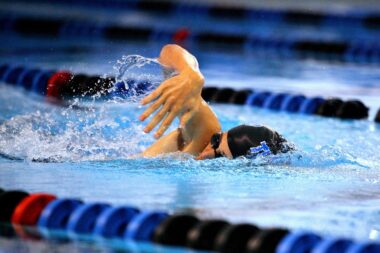
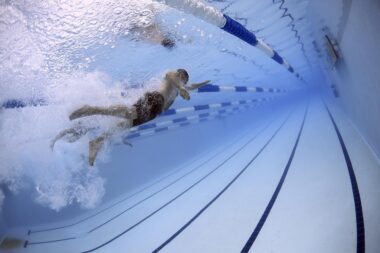
Choosing to analyze swimming techniques can significantly influence a swimmer’s progress. Plateaus in swimming may be connected to one’s form; thus, improving swimming mechanics can often yield benefits. Evaluating stroke efficiency is crucial—fine details, such as hand entry angle and kick technique, can noticeably impact performance. Swimmers should film their sessions for better visual insights. Reviewing these videos can reveal flaws an athlete may not feel while swimming. Coaches often provide critical perspectives and suggestions drawn from experience, which should not be overlooked. Furthermore, engaging in drills focusing on precision may sharpen skills and eliminate inefficiencies. It’s essential to address mental aspects while aiming to break through barriers; visualization techniques can enhance focus and confidence. Picturing successful swims and meditative practices can improve mental fortitude. Also, setting specific, achievable goals may reignite motivation. Breaking larger ambitions into smaller milestones can create a sense of accomplishment. This strategic approach can foster continuous improvement in training. Overall, merging physical training with mental techniques creates a holistic strategy to overcome plateaus, resulting in higher performance levels.
Nutrition plays a vital role in breaking through performance plateaus in swimming. Swimmers need to fuel their bodies properly to support intense training sessions and recovery. Monitoring dietary intake can increase awareness of nutritional gaps and contribute to better performance. Consuming a balanced diet rich in carbohydrates, proteins, and healthy fats is crucial. Hydration cannot be neglected, as even slight dehydration may impair performance. Athletes should be mindful of their pre and post-workout meals; eating nutrient-dense foods can speed recovery. Meals rich in omega-3 fatty acids, such as salmon, help reduce inflammation, promoting recovery. Additionally, maintaining electrolyte levels, especially during extensive training, is essential for optimum performance. Gradually incorporating supplements after consulting with a professional may further support the nutritional needs of competitive swimmers. Vitamins D and B12 can positively influence energy levels and overall well-being, so choosing the right dietary aids makes sense. Accountability for their diets can motivate swimmers to stay committed to their nutrition plans. Many participants benefit from meal planning and tracking software to ensure they meet their daily nutritional goals. With the right focus on nutrition, swimmers can enhance their performance.
Rest and Recovery Play Crucial Roles
In competitive swimming, understanding the importance of rest and recovery can dramatically impact performance outcomes. Many athletes underestimate how fatigue builds up and hinders overall progress; therefore, prioritizing rest is essential for sustained improvement. Overtraining is a common cause of plateaus, where the body doesn’t receive adequate time to recover from rigorous workouts. Swimmers need to develop sleep hygiene practices that ensure quality sleep during training seasons. Establishing a regular sleep routine can optimize physical and mental recovery. Additionally, scheduling rest days is vital to allow muscles and the nervous system to repair. Engaging in active recovery techniques, such as light swimming, stretching, or yoga, can also enhance flexibility and promote circulation. Swimmers should be aware of warning signs indicating the need for recovery, including persistent fatigue or irritability. Listening to one’s body is crucial; pushing through the fatigue may prolong or worsen performance plateaus. Athletes might explore alternative therapies, such as massage or physiotherapy, for additional recovery support. By adopting a thorough recovery plan, swimmers can reignite their performance and achieve new personal bests.
Building a supportive community around swimming can also help navigate performance plateaus. Swimmers often thrive in environments where they can share struggles and triumphs with others facing similar challenges. Joining a team or training group fosters camaraderie and accountability; this, in turn, can motivate athletes to push through challenging times. Regular interaction with fellow swimmers provides emotional support, boosting morale. Swimmers should not hesitate to reach out to mentors or coaches for guidance; experienced individuals can share vital techniques to overcome hurdles. Moreover, participating in social events or competitions enhances motivation through friendly rivalries. Celebrating personal achievements, no matter how small, within these communities helps reinforce a positive mindset. Networking with other competitive swimmers can provide valuable insights into successful strategies they have employed. Online forums and social media platforms serve as spaces for knowledge-sharing and support, creating a global community. By embracing the camaraderie of swimming, athletes can foster resilience when performance stagnates. The collective motivation generated by teamwork can propel athletes toward consistent improvement.
Setting realistic yet challenging goals is fundamental in overcoming plateaus in swimming performance. Focusing on incremental improvements, rather than monumental changes, can create a sense of purpose and direction. Swimmers should identify specific areas where they wish to improve, such as stroke technique, speed, or endurance. Utilizing the SMART (Specific, Measurable, Achievable, Relevant, Time-bound) goal-setting method can provide clarity and structure to their objectives. Breaking these goals into short-term checkpoints helps maintain motivation over the long haul. Regular assessments of progress will reveal how effective strategies have been. Adjusting these goals and setting new challenges continually can help keep swimmers engaged. Alongside setting personal records, participating in competitions can foster a sense of urgency and excitement, motivating athletes to train harder. Furthermore, tracking training metrics and accomplishments through apps or journals adds a dimension of accountability that encourages persistence. While it’s essential to push oneself, swimmers should also recognize their limits to avoid injury. Finding this balance between ambition and realism ensures sustained performance enhancement over time.
The Role of Mental Resilience
Lastly, developing mental resilience can be a game-changer in overcoming swimming plateaus. The competitive nature of swimming may induce pressure that can detract from performance. Swimmers should familiarize themselves with techniques that promote focus and calmness during races. Practicing mindfulness and meditation can significantly reduce anxiety levels, enhancing overall concentration. Visualization strategies often help athletes mentally prepare for competitions through the practice of imagining successful performances. Athletes can cultivate confidence and acceptance of challenges by rehearsing positive and pro-active thoughts. Embracing failure as a learning opportunity instead of a setback will significantly develop mental toughness. Additionally, swimmers should maintain a positive attitude, fostering a growth mindset to encourage perseverance. Coaches play a pivotal role, providing affirmation and constructive feedback. Creating a personal mantra or affirmation can serve as an emotional anchor, inspiring determination. Engaging continuously in controlled long-distance swims while monitoring pacing can enhance mental stamina during competitions. As a result, swimmers can condition themselves to confront difficulties without self-doubt. By prioritizing mental preparation alongside physical training, competitive swimmers can effectively tackle performance plateaus.
In conclusion, overcoming plateaus in competitive swimming requires a multifaceted approach that integrates physical training, nutrition, rest, community support, and mental resilience. Each swimmer’s journey is unique, and registered plateaus are common experiences that can be addressed with the right strategies. Recognizing the signs of stagnation, diversifying training routines, focusing on technique, and prioritizing nutrition are vital. Additionally, rest and recovery should not be overlooked to facilitate peak performance. Engaging with a supportive community aims to alleviate mental fatigue while setting realistic goals motivates consistent improvement. Furthermore, maintaining mental strength and resilience aids swimmers in combating stress related to competition and training. Ultimately, with determination and a well-rounded plan, every swimmer can break through barriers and achieve improvements. They can reach new heights in their performance through strategic adjustments and a positive mindset. Competitive swimming holds endless opportunities for personal growth, learning, and mastery of skills. Athletes must recognize their struggles within the broader context of the sport and remember that plateaus can be an opportunity for self-reflection. By embracing improvements as a continuum, swimmers can experience empowerment and advancement in their journeys, leading to fulfillment and pride.