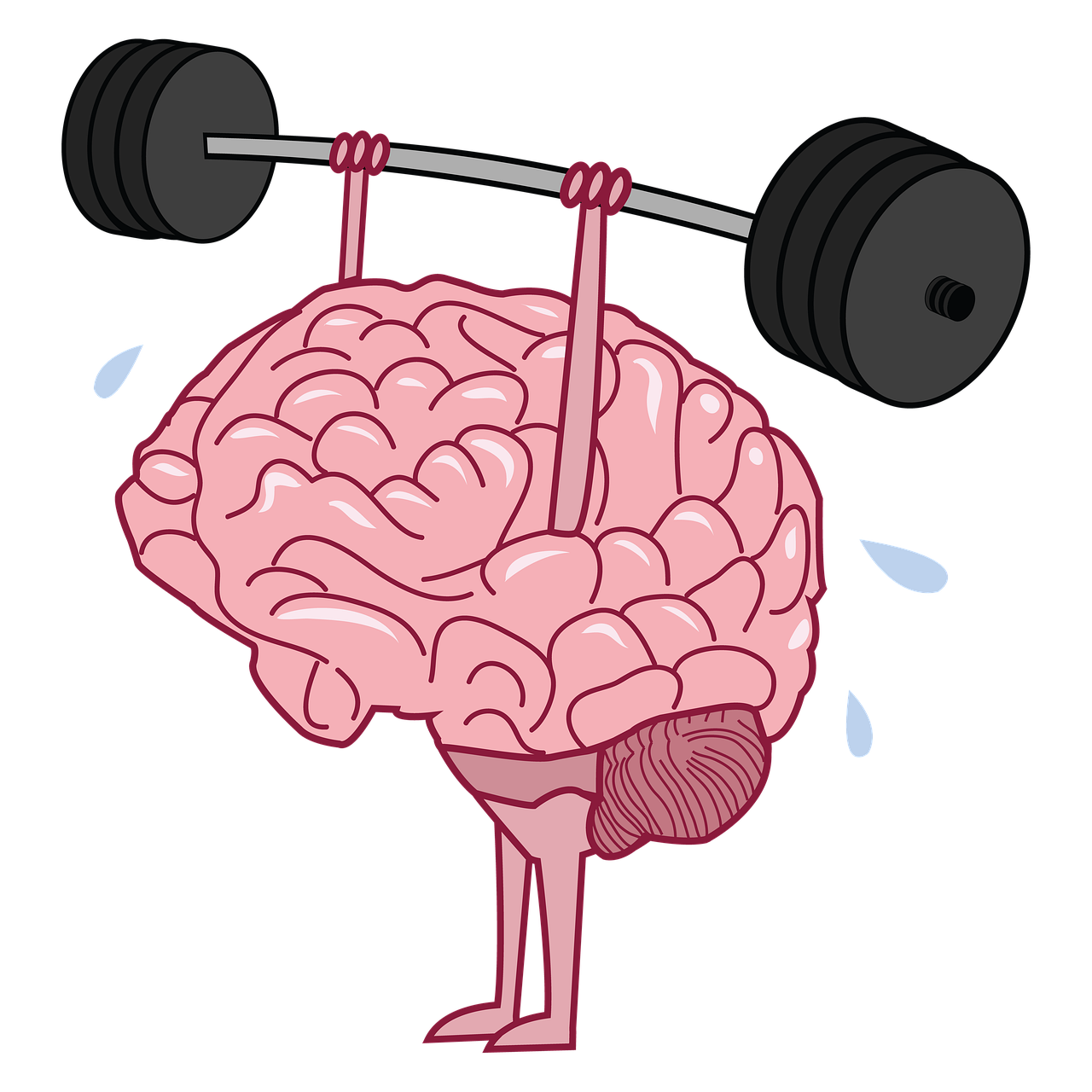

Expert Articles on Physical Activity Benefits for Mental Disorders
Engaging in regular physical activity has been shown to substantially improve mental health outcomes. Various expert articles highlight how exercise can alleviate symptoms of mental disorders such as depression and anxiety. Publications in academic journals often detail the physiological and psychological mechanisms by which exercise exerts its benefits. Moreover, exercise is not only beneficial for overall physical health but significantly enhances cognitive functions and emotional well-being. For individuals living with mental disorders, incorporating a fitness routine can be crucial. Physical activity can lead to the release of endorphins, commonly referred to as ‘feel-good’ hormones that boost mood. A comprehensive plan may include strength training, aerobics, or yoga. Each of these can play different roles in enhancing mental resilience. Furthermore, studies frequently recommend tailoring exercise programs to suit personal preferences and physical abilities to optimize adherence. Consistent participation in these activities stands to foster a sense of accomplishment and self-efficacy among those coping with mental challenges. Users may explore resources such as the National Alliance on Mental Illness for more insights and strategies.
Physical activity is widely recognized as a preventative measure for mental disorders. Literature suggests integration of exercise into therapeutic regimes can yield significant dividends in managing symptoms. The synergy between a physically active lifestyle and therapeutic interventions enhances recovery rates. For many individuals, the prospect of engaging in consistent exercise helps in building routine and structure in daily life. Activities like jogging, swimming, and group classes not only provide physical benefits but also foster a sense of community. This connection can alleviate feelings of isolation often experienced by those facing mental health challenges. Regular exercise has been associated with reductions in stress and anxiety levels. It facilitates better sleep cycles, which are imperative for mental health stability. Educational resources such as expert articles often underscore the practicality of small, incremental changes to promote physical activity among those with mental disorders. Similar articles highlight the importance of setting achievable goals to enhance motivation and maintain momentum. If you wish to learn about more effective strategies, consider checking out the American Psychological Association.
Recent studies provide compelling evidence on the positive outcomes of physical activity on mental health. As such, a myriad of expert articles outlines diverse forms of exercise that enhance one’s psychological resilience. It’s important to note that the context of physical activity is often as significant as the activity itself. Engaging in outdoor sports, such as hiking or cycling, can lead to additional mental health benefits stemming from nature exposure. Researchers emphasize that even low-intensity activities like walking have proven effective in mitigating symptoms related to anxiety and depression. Furthermore, consistency is crucial; thus, making activity enjoyable is integral to fostering long-term engagement. Incorporating music during workouts or participating in community fitness programs can greatly increase enjoyment. The key lies in finding an approach that resonates personally with each individual. Moreover, expert recommendations typically advocate for the benefits of cross-training, which helps in avoiding injuries and maintaining enthusiasm. Consistent engagement in physical activity can act as a powerful protective factor against future mental health crises. Exploring engaging materials found on sites such as Mental Health America can provide further insights attached to this subject.
Social Interactions Through Exercise
Physical activity encourages social interactions, which are highly beneficial for individuals experiencing mental health challenges. Group exercises, team sports, or even exercise classes provide platforms for social engagement. This process alleviates feelings of isolation, helping participants forge meaningful connections with others. The experience of camaraderie enhances motivation and adherence to a fitness regime. These interactions create a support network that can aid in recovery. Connections formed through shared experiences in physical activity contribute to enhanced emotional support and understanding. Many expert articles suggest that the social aspects of exercise often empower individuals to open up about their mental health struggles. Engaging in dialogue with peers can reduce stigma surrounding mental disorders while inspiring others to seek help. Furthermore, forming friendships through workouts can lead to improved self-esteem and a sense of belonging. Consistent social engagement bolsters not only mental well-being but also helps create an environment conducive to personal growth. For useful articles relating to this topic, check platforms like Verywell Mind for comprehensive resources and insights.
Incorporating mindfulness into physical activity has shown remarkable benefits for mental health disorders. Various reputable articles illustrate how techniques, such as yoga or tai chi, improve emotional regulation and reduce anxiety. These practices emphasize being present and tuning into one’s body, ultimately leading to greater self-awareness. Many experts advocate for the combination of movement with breath to cultivate a deeper connection between mind and body. This synergy supports mental clarity while helping individuals process their emotions more effectively. Engaging in mindful physical activity also allows for a reduction in repetitive negative thought patterns commonly associated with anxiety. The rhythmic nature of these activities brings a sense of calm and tranquillity, promoting overall psychological healing. In addition, these practices can be adapted for all fitness levels to ensure broad accessibility, making them suitable for a diverse audience. Mental health professionals increasingly recommend this approach as part of holistic treatment plans. Consider visiting resources such as HuffPost for insightful articles related to mindfulness and physical activity.
Barriers to Physical Activity
Understanding barriers to physical activity for individuals with mental disorders is crucial to foster participation. Numerous expert articles identify common obstacles, including lack of motivation, accessibility issues, and feelings of inadequacy. Mental disorders can exert debilitating influences on energy levels and motivation, making exercise seem like a daunting task. Addressing these barriers requires a multifaceted approach tailored to individual needs. Collaborative strategies should include caregivers, therapists, or health practitioners to create supportive environments conducive to exercise. For instance, providing accessible transportation options enhances participation rates significantly for individuals who may face mobility challenges. Additionally, equipping individuals with educational resources and tailored fitness plans can bolster motivation. Low-impact activities such as swimming or resistance training are often recommended as starting points, as they can be less intimidating. Encouraging gradual progression can lead to increased physical competence and self-confidence. Furthermore, cultivating a positive mindset toward physical activity fosters resilience against setbacks. For supportive articles focused on overcoming these barriers, turn to platforms like CDC for valuable insights.
Engagement in competitive sports can yield remarkable benefits for individuals dealing with mental disorders. Expert articles suggest that participating in competitive settings cultivates essential life skills, including teamwork, resilience, and discipline. Furthermore, engaging in such activities can promote positive self-image and enhance feelings of accomplishment. Celebrating each victory, regardless of size, builds confidence that spills over into other areas of life. The structure inherent in competitive sports often fosters routine and can facilitate a greater sense of purpose. However, it’s essential to approach competitive settings mindfully, as unhealthy competition may arise, causing increased anxiety among some participants. Balancing competitive aspects with enjoyment can prevent potential repercussions and foster a sustainable commitment to physical activity. It’s also advisable for individuals to select competitive activities that align with their interests, as personal investment enhances motivation. Artistic activities like dance competitions or others can blend physical activity with self-expression, allowing deeper emotional connection. Enthusiasts can find supportive communities or articles guiding their journeys on platforms like ESPN, which often highlight success stories.
In conclusion, physical activity is not only beneficial for physical health, but it also plays a vital role in improving mental health outcomes. Many expert articles discuss the transformative potential of exercise in holistic mental health treatment. Whether it’s finding community through group exercises, engaging in mindful practices, or overcoming barriers to participation, elements of physical activity can significantly enhance the lives of those managing mental disorders. Encouragingly, numerous resources are available for individuals seeking to learn more about the benefits of exercise. The importance of creating supportive environments for individuals struggling with mental health cannot be overstated. Active participation in physical activity can foster resilience while reducing symptoms associated with mental disorders. A focus on personalized strategies and achievable goals may greatly increase overall success. As we continue to explore the intersection of physical activity and mental health, researchers and practitioners alike will discover new and innovative ways to promote well-being. Embracing an active lifestyle, thus, not only aids in recovery but becomes an essential element of sustained mental health. For continuous updates and insightful articles on the matter, consider visiting MentalHealth.gov.