
Effective Bone-Strengthening Routines for Seniors
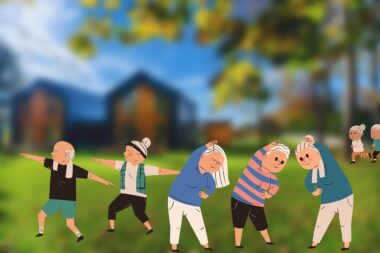
Bones naturally lose density as people age, making it crucial for seniors to engage in activities that promote bone health. Weight-bearing exercises are essential for combatting osteoporosis. These activities force the body to work against gravity and stimulate bone formation. Currently, several effective methods exist that seniors can pursue to enhance their bone strength. The following activities are not only beneficial but also enjoyable and can be easily incorporated into daily routines. Some great exercises include walking, jogging, participation in dance classes, or engaging in low-impact aerobics. Having a structured routine is vital for achieving optimal results. Moreover, these exercises help maintain balance and coordination, essential factors in preventing falls. Regular practice can lead to significant improvements in overall bone health, allowing individuals to enjoy a healthier, active lifestyle. Seniors should aim to exercise at least three to four times a week, gradually increasing the intensity to build strength and stamina safely. With a balanced approach that incorporates appropriate exercises, seniors can sustain and even enhance their bone health effectively.
Incorporating Resistance Training
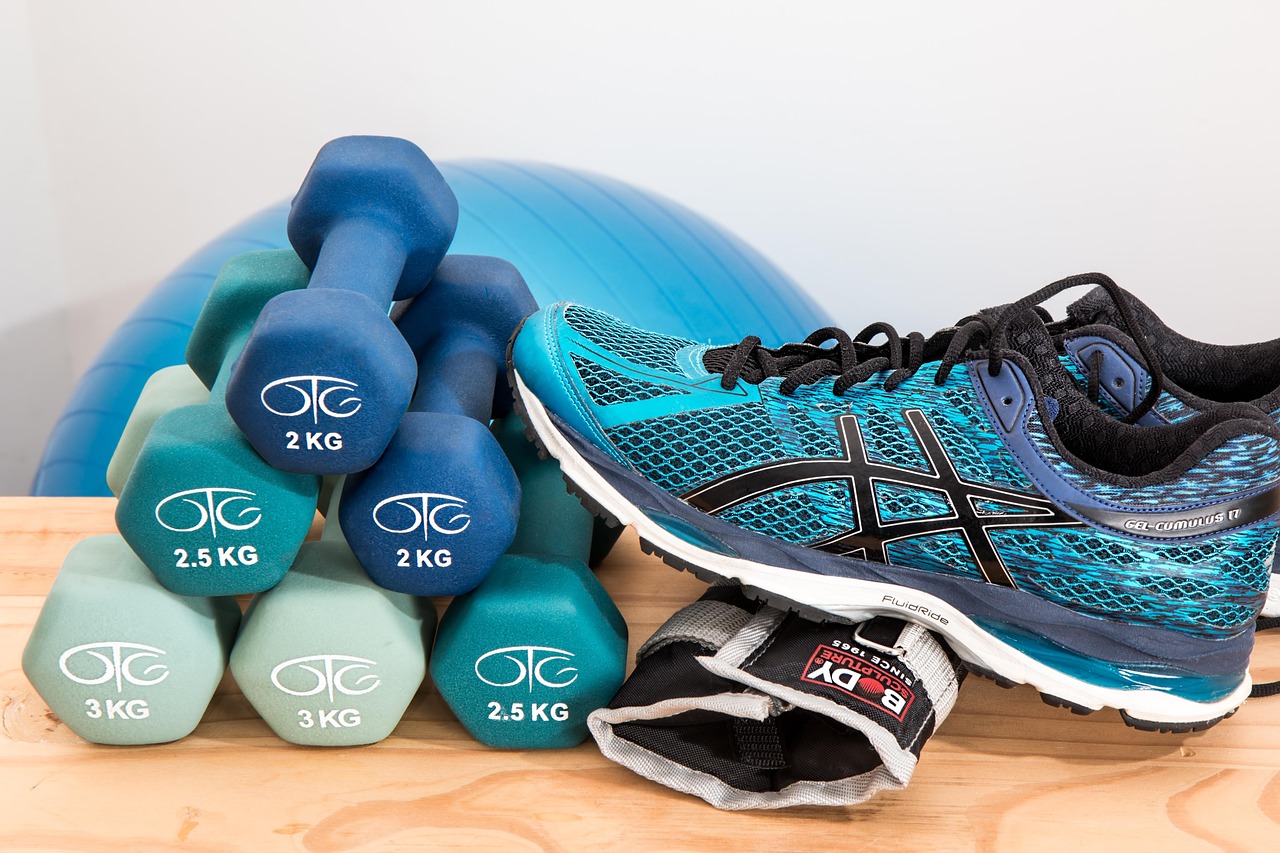
Resistance training is another effective way to strengthen bones. Adding weights to a routine ensures the muscles exert more force on the bones, prompting them to adapt and grow denser. Seniors can utilize various forms of resistance training, such as free weights, resistance bands, or weight machines, all of which provide excellent results. Such exercise routines can be tailored according to individual needs and fitness levels; however, starting with lighter weights is advised. Over time, weight or resistance can be gradually increased to keep muscles challenged without risking injury. For best results, incorporate resistance training exercises at least twice a week into regular routines. Focus on major muscle groups like legs, chest, and back while adding balance training practices to ensure stability. Additionally, it is important to maintain proper form and listen to the body throughout the workout to avoid discomfort. Seniors can participate in group classes led by qualified instructors to ensure safe practice. Remember that consistency is essential in developing and maintaining bone strength, so commitment to a well-rounded fitness routine is key.
In addition to physical activities, nutrition plays a vital role in maintaining bone health as one ages. Consuming a balanced diet rich in calcium and vitamin D strengthens bones significantly. Adequate calcium intake can be assured through dairy products, leafy greens, and fortified foods. Vitamin D is crucial for calcium absorption, and it can be sourced from sunlight exposure, supplements, or specific foods like fatty fish and egg yolks. Seniors must focus on a diet that includes a variety of nutrients to support overall health and reinforce stronger bones. Hydration is equally essential! Drink plenty of water and limit excessive caffeine and alcohol, which can lead to bone density loss. A well-planned diet, along with consistent exercise, creates synergy for better health outcomes. Consulting with a healthcare provider or nutritionist can provide tailored dietary recommendations to suit the individual’s specific needs. Meal planning can simplify this process and contribute to long-term wellness. Ultimately, making small changes in both diet and exercise can yield significant benefits for enhancing bone density in a senior’s life.
Balance and Coordination Exercises
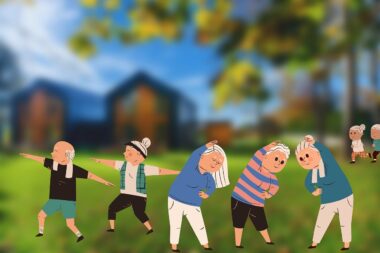
Balance and coordination exercises play an important role in bone health for seniors. They not only help strengthen bones but also reduce the risk of falls and fractures. Incorporating tai chi, yoga, or simple balance exercises can greatly benefit older adults. These activities improve proprioception and body awareness, essential in preventing accidents that might lead to injury. Tai chi, for example, has been shown to enhance balance, reduce stress, and promote a sense of well-being. Likewise, yoga’s emphasis on controlled movements can also help seniors focus on stability. Practicing balance exercises at least three to four times weekly strengthens core muscles, which act as an anchor during movement. Exercises like standing on one leg or walking heel-to-toe develop a strong foundation. These activities can be adapted easily to suit individual capabilities while still challenging one’s limits safely. Maintaining good balance is crucial for independent living and quality of life as one ages. Incorporate these essential components into your fitness routine and seek guidance if unsure how to perform any activities appropriately.
As seniors engage in practices that promote bone health, it is essential to be mindful of limitations and listen to the body. Consult healthcare professionals before embarking on a new fitness journey. They can provide personalized exercise recommendations tailored to individual needs, taking into account existing health conditions. This step helps ensure safe participation in activities that contribute to bone density. Additionally, a comprehensive approach combining medical guidance, proper nutrition, and physical exercise offers the greatest benefits for maintaining or improving bone density. Utilize local community resources such as senior centers, health clubs, or rehabilitation facilities, which often have specialized programs catering to older adults and support healthy aging. Remember that it’s never too late to start exercising, and gradual progress is achievable. Engaging in fitness activities can bring joy and enhance social connections among seniors. By prioritizing bone health and making deliberate choices about lifestyle habits, seniors can maintain their independence and enhance overall quality of life. Building a supportive environment encourages continual engagement in healthy routines, fostering long-lasting well-being.
Conclusion: Prioritizing Bone Health
In conclusion, maintaining and promoting bone health should be a priority for seniors, given its significant role in quality of life. Engaging in regular physical activity, particularly weight-bearing and resistance training exercises, cultivates stronger bones that are essential for independence and mobility. Incorporating balance-building exercises into a fitness regimen minimizes the risk of falls, which are particularly devastating among older adults. Combining this with a nutrient-rich diet that includes essential vitamins and minerals supports optimal bone density. Furthermore, having a plan and supportive relationships in place ensures continued participation. Seniors should embrace an active lifestyle while remaining mindful of their bodies and seeking help when needed. Making informed choices about fitness routines and dietary practices lays a strong foundation for overall health. By prioritizing bone health, seniors can enjoy an active and fulfilling lifestyle well into their golden years. Remember that personalized recommendations from healthcare professionals can lead to finding the right balance in routines. With commitment and support, seniors can take charge of their health and enjoy the benefits of strengthened bones and improved well-being.
When pursuing a fitness journey, expectations should be realistic, focusing on gradual improvements rather than quick results. Each individual’s fitness level may vary, and it’s important to respect personal limits while encouraging progression. Engage in activities that are enjoyable and promote adherence to routines over time. Finding accountability partners, such as friends or family, can enhance motivation and make exercising more fun. Additionally, exploring new fitness opportunities through classes or community events can spark interest and engagement in bone-strengthening routines. Lastly, emphasize the importance of recovery to prevent burnout and injuries. Having time for rest helps the body repair and strengthen itself. Overall, cultivate a holistic approach that integrates healthy living practices with a commitment to active participation in life. By doing so, seniors can promote not only bone health but overall well-being. The collective benefits from exercise, nutrition, and social connections create a positive cycle that enhances longevity. Take the first step today and prioritize health and happiness alongside physical fitness for stronger bones and a more fulfilling existence.
Resources for Further Reading
For those interested in expanding their knowledge on fitness and aging, many excellent resources are available. Websites like the National Institute on Aging and dedicated senior fitness organizations offer expert advice, programs, and guides aligned with maintaining bone health. Books on nutrition, exercise science, and healthy aging provide helpful insights and practical strategies. Recommendations from healthcare providers can also direct individuals to high-quality resources specific to their health needs. Join online forums and local community groups dedicated to fitness and aging, as they allow for information sharing and support for seniors. Participating in discussions and activities with like-minded individuals fosters camaraderie and encourages accountability. Furthermore, many local gyms and community centers run wellness programs specifically designed for seniors. Seek out these programs, as they often incorporate safe practices and adjustments for older adults. Online fitness classes are another flexible option to suit individual schedules. Embrace learning opportunities that empower informed decisions about health and fitness. Knowledge is a powerful tool in navigating the journey of healthy aging while cultivating stronger bones.