
How Pilates Builds Confidence After Childbirth
After childbirth, many women experience physical and emotional changes that can affect their self-esteem. Engaging in Pilates offers a holistic approach to postpartum recovery, focusing not just on bodily strength but also on mental wellbeing. The gentle movements of Pilates allow new mothers to reconnect with their bodies after the strenuous experience of childbirth. Through a series of controlled exercises, individuals can learn to stabilize their core, which is crucial for regaining lost strength. Moreover, Pilates improves flexibility and posture, both vital for alleviating any discomfort associated with carrying and caring for a newborn. By reshaping their body, women are likely to notice positive changes that can empower them. This newfound confidence helps them embrace the journey of motherhood with a stronger, more positive mindset. Additionally, participating in group Pilates classes can foster a supportive community. Being surrounded by other mothers who are sharing similar experiences strengthens the feeling of camaraderie. Ultimately, Pilates is more than just a physical exercise; it’s a pathway to rebuilding self-confidence and body image post-pregnancy.
Flexibility is essential for physical health, especially during the postpartum phase, and Pilates specifically enhances this aspect. Women often find their bodies tight and stiff following childbirth due to various factors, including hormonal changes and limited mobility during pregnancy. Through targeted stretching and breathing techniques, Pilates can increase flexibility in a safe environment. Improved flexibility aids in daily tasks, allowing mothers to move more freely while caring for their infants. Greater flexibility also decreases the risk of injury as mothers engage in physical activities with their babies. Pilates emphasizes elongated muscle movements that create balanced tension, which is crucial during recovery stages. Women can practice various exercises that promote stretching while also focusing on their core stability. As they gain flexibility, women may discover subtle increases in their range of motion. This newfound mobility not only enhances physical strength but can also improve overall cardiovascular health. Experiencing gradual, positive progress can reinforce confidence in their physiques. Eventually, this leads to a more favorable body image and a healthier self-perception, further solidifying the emotional benefits of Pilates in postpartum recovery.
Another significant advantage of Pilates is the emphasis it places on breathing. Proper breath control is a fundamental principle of Pilates. It helps to engage the core muscles effectively while promoting relaxation. After giving birth, women may experience stress and anxiety, which can hinder their ability to embrace motherhood fully. Learning the art of deep, controlled breathing can greatly alleviate feelings of tension and promote a sense of calm. Pilates encourages practitioners to synchronize their movements with their breath, establishing a rhythm that enhances both physical and mental stamina. As mothers learn to breathe deeply, they can better manage stress and anxiety, which are common during this period. This aspect of Pilates does not only contribute to physical performance but serves as an essential tool for emotional regulation. In turn, enhanced emotional resilience translates into greater self-assurance in new mothers. Additionally, mindful breathing can help improve sleep patterns, which can be elusive during the postpartum phase. By instilling these habits, Pilates helps mothers build a supportive mindset conducive to nurturing themselves and their babies.
The Community Aspect of Pilates
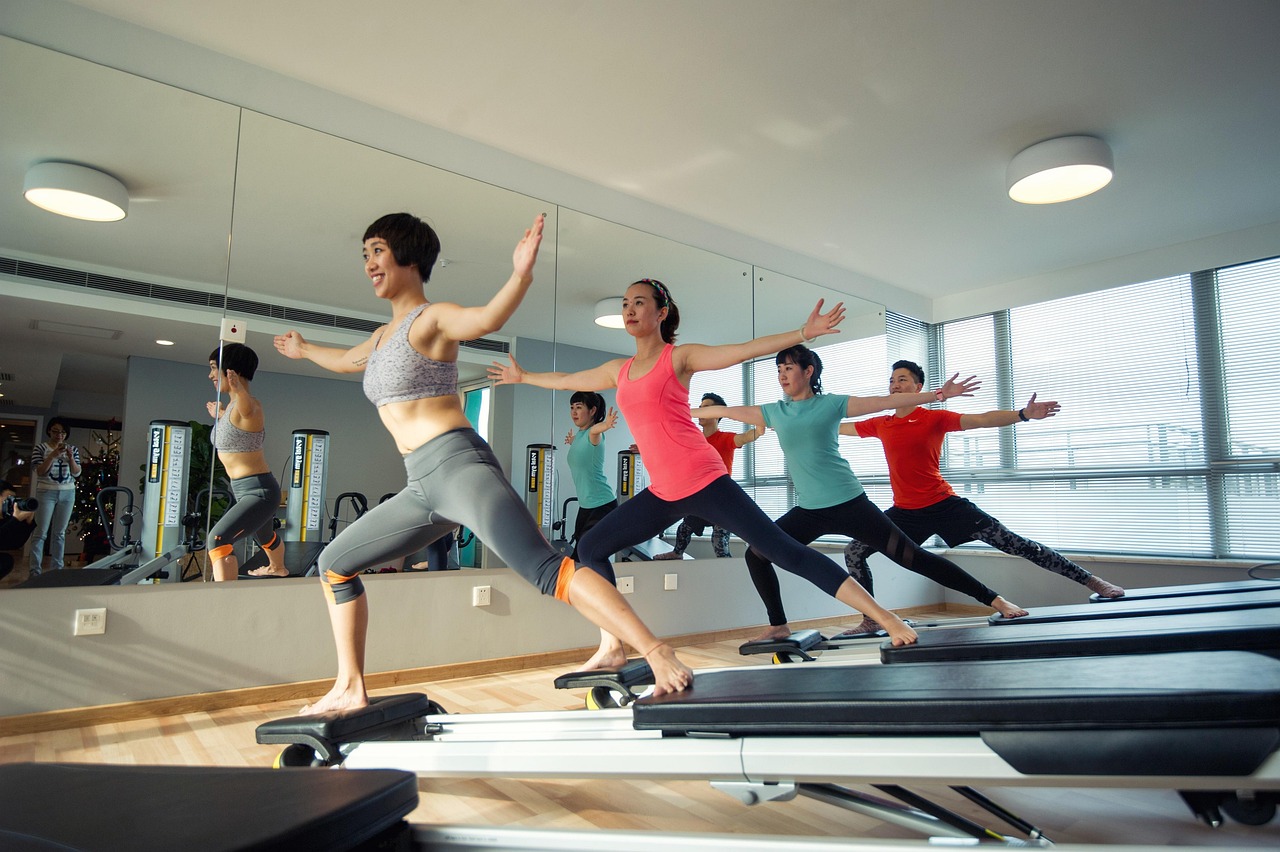
Participating in Pilates classes fosters a sense of community and support among new mothers. This shared experience can be especially beneficial in combating feelings of isolation that often accompany new motherhood. Being surrounded by others on similar journeys creates a nurturing, empathetic environment. It offers a safe space for mothers to discuss their challenges, celebrate milestones, and find encouragement in one another. Group exercises can boost motivation, making participants more likely to maintain consistency in their workout routines. As mothers share tips on baby care and postpartum experiences, bonds strengthen, leading to valuable friendships. Stronger social connections can enhance emotional wellbeing, as these women build their support networks. This network not only serves during workouts but extends into the larger community, creating a sense of belonging. Classes led by experienced instructors can empower mothers to feel more connected to their bodies and affirm their resilience during challenging postpartum phases. Thus, Pilates not only helps physically but also nurtures vital social connections that help bolster confidence in this transformative life stage.
Another key benefit of Pilates is the focus on core strength, which is pivotal during postpartum recovery. After giving birth, the abdominal muscles experience significant stretching and weakening. Pilates specifically targets these areas, helping to rebuild strength efficiently. Re-establishing core stability is crucial for preventing back pain and for overall posture, both critical elements for new mothers. Exercises like the pelvic tilt and the hundred are designed to specifically engage and strengthen these areas. As mothers engage in these targeted movements, they begin to feel stronger and more in control of their bodies. Increased core strength leads to improved balance and coordination, making day-to-day tasks more manageable. These improvements can empower mothers to carry and play with their babies without feeling discomfort or fatigue. Additionally, a stronger core helps to facilitate proper alignment and enhances overall physical performance, which is invaluable as the demands of motherhood grow. As mothers progress, their newfound stability can motivate them to explore further physical activities, instilling an enduring sense of capability and strength.
Over time, consistent practice of Pilates can lead to long-term health benefits that extend well beyond postpartum recovery. As women integrate Pilates into their routines, they cultivate habits that promote overall well-being. Regular Pilates sessions enhance physical fitness, reduce stress, and improve mental clarity. Engaging in a dedicated fitness routine also sends a positive message to children about the importance of health. Mothers become role models for their kids, demonstrating that self-care is vital. This sets a precedent for lifelong healthy habits in their families. Moreover, the journey does not only stop with Pilates. As new mothers progress, they can incorporate more diverse forms of exercise into their routines, such as yoga or running. These activities build on the core strengths and flexibility gained through Pilates. The cumulative benefits of staying active contribute to better physical health, greater energy levels, and improved emotional resilience. Ultimately, as these women experience the positive changes throughout their postpartum journey, they build confidence that extends into various aspects of their lives, encouraging continued growth.
The Importance of Patience in Healing
While the benefits of Pilates are evident, it is crucial to acknowledge the importance of patience and self-compassion during postpartum recovery. Significant changes occur within the body after childbirth, and every woman’s healing journey is unique. Pilates offers a safe way to ease back into exercise; however, mothers must listen to their bodies and progress at their own pace. This practice emphasizes mindfulness and self-awareness, allowing them to remain present during their workouts. By setting realistic goals, women can avoid feelings of frustration or inadequacy, which can lead to discouragement. It’s essential to celebrate small victories along the way, acknowledging personal efforts and progress. Practicing Pilates with a kind and gentle approach can foster a loving relationship with one’s body. As mothers gradually regain strength and confidence, they create a foundation for resilience that will support them in facing parenthood’s challenges. Embracing patience respects the body’s natural recovery processes and promotes mental clarity. Cultivating this mindset can transform the postpartum experience from something daunting into an inspiring opportunity for personal growth.
In summary, Pilates serves as an exceptional tool for building confidence after childbirth. By enhancing physical fitness, flexibility, core strength, and emotional resilience, it addresses multiple aspects of postpartum recovery. The supportive community aspect further enriches the journey, forging valuable connections among mothers. Each session transforms not just the body but also the mind, leading to a more empowered sense of self. The importance of integrating mindful breathing and understanding one’s unique healing journey fosters a holistic approach to recovery. As women embark on this journey, they discover that Pilates is more than exercise; it is a transformative experience that reshapes their identity as mothers. Through continued practice, the benefits can last well beyond the early postpartum period, encouraging a lifelong commitment to wellness. Each woman’s journey is distinct, filled with its own challenges and triumphs. However, through Pilates, mothers find a supportive framework that uplifts and nurtures them. This empowering practice becomes symbolic of their resilience and strength, allowing them to embrace their new roles enthusiastically and confidently.