
Balancing Your Gut Flora to Reduce Stress Symptoms
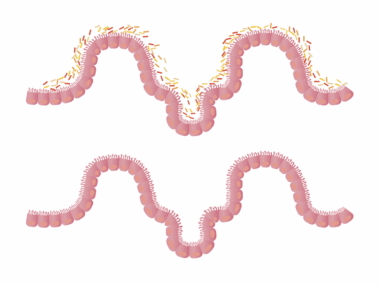
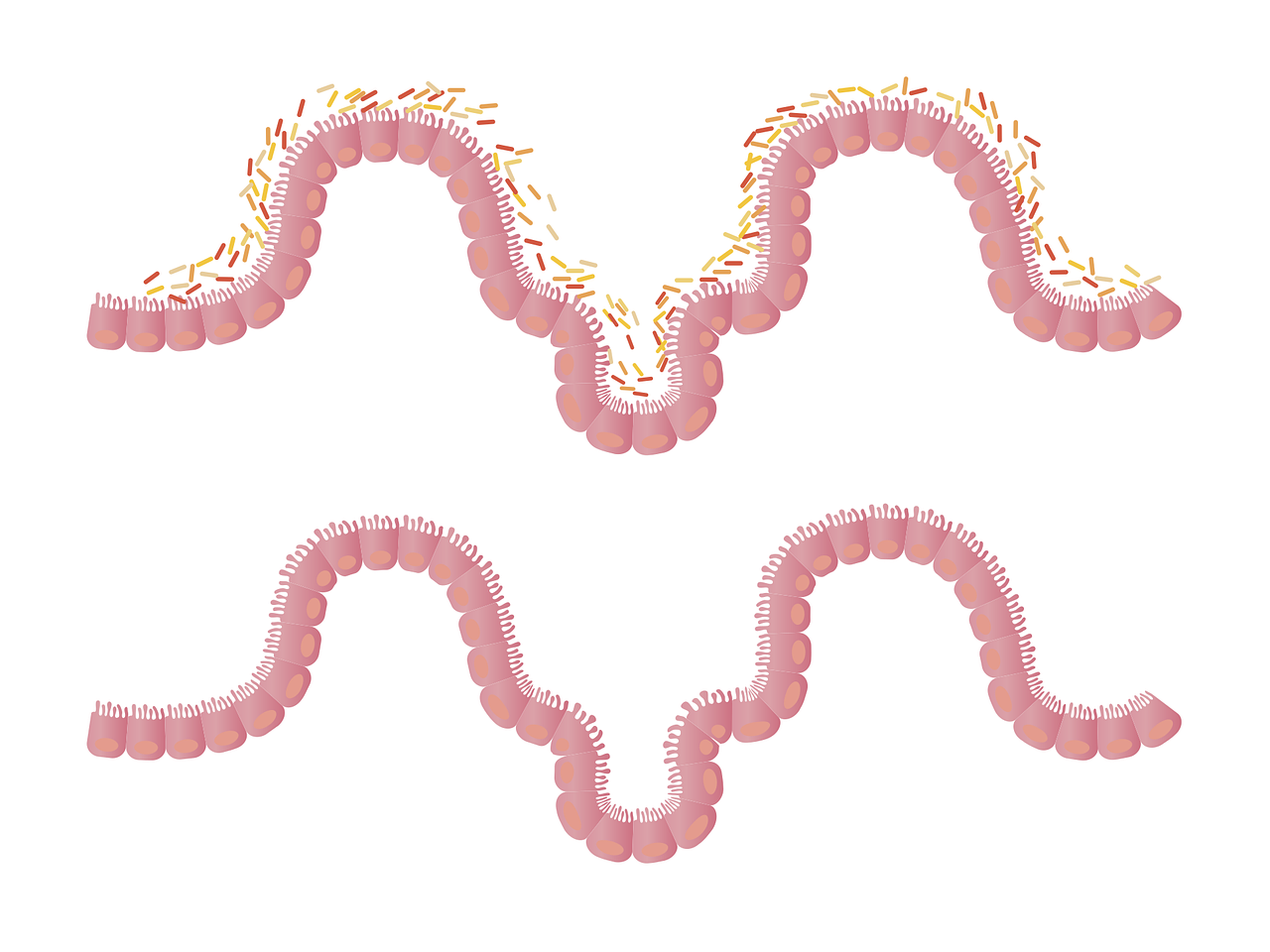
Stress is increasingly recognized as a silent influencer on our health, particularly affecting our gut health. This relationship is often overlooked, yet the connection between stress and gut flora cannot be understated. The gut is home to trillions of bacteria known as microbiota, playing a vital role in digestion, immunity, and mental health. When we experience stress, it can significantly disrupt these microorganisms, leading to imbalances that may result in various gastrointestinal issues. Symptoms like bloating, constipation, and diarrhea often amplify during heightened periods of stress, signaling a direct link to our emotional state. Research has shown that an imbalance in gut flora can also worsen stress levels, creating a vicious cycle. Thus, addressing gut health becomes a pivotal part of stress management. This can involve dietary modifications, incorporating probiotics, and adopting other lifestyle changes that support a balanced gut. By focusing on both physical and emotional health, we can cultivate a supportive environment for gut flora, ultimately leading to improved stress resilience and overall well-being. Understanding this connection can empower individuals to take proactive steps for better health.
One significant step towards balancing gut flora is through dietary modifications. Increasing the intake of fiber-rich foods can foster a healthier microbiome, as these foods serve as fuel for beneficial bacteria. Whole grains, fruits, and vegetables are excellent sources of dietary fibers essential for gut health. Incorporating fermented foods like yogurt, kimchi, and sauerkraut can further enhance gut diversity. These foods contain probiotics, which are beneficial bacteria that can help restore balance. Additionally, reducing processed foods and sugars can positively impact gut health, alleviating some stress symptoms related to digestion. Certain foods, rich in omega-three fatty acids, such as fatty fish, walnuts, and flaxseeds, also have anti-inflammatory properties that can aid in reducing stress. Hydration is equally important; drinking adequate water supports digestion and nutrient absorption while flushing out toxins. It’s essential to pay attention to the body’s signals regarding food intake. Keeping a food diary can be helpful in identifying triggers that exacerbate stress or gut issues. Being mindful of what we consume plays a crucial role in establishing a strong foundation for stress resilience.
Probiotics and Prebiotics
Probiotics and prebiotics are imperative in nurturing gut health, directly affecting stress management. Probiotics are live microorganisms found in certain foods that can provide numerous health benefits when consumed in adequate amounts. Foods rich in probiotics include yogurt, kefir, and other fermented products. Prebiotics, on the other hand, are non-digestible fibers that stimulate the growth and activity of beneficial gut bacteria. They can be found in foods such as garlic, onions, bananas, and asparagus. Incorporating both probiotics and prebiotics into your diet can facilitate a balanced gut flora while reducing stress levels. Research indicates that individuals who consume adequate amounts of these components report improved mood and reduced anxiety symptoms. Consequently, the act of nourishing gut flora with these foods can translate into better stress coping mechanisms. Additionally, supplements are also available for those who may not obtain enough of these nutrients from their diet. It’s important to consult with a healthcare provider before starting any supplements to ensure they are appropriate and beneficial for your individual health needs.
Regular exercise is another essential aspect that complements a healthy gut and minimizes stress symptoms. Physical activity has been linked to a plethora of benefits for both mental and physical health. Exercise stimulates blood flow, enhances mood through the release of endorphins, and directly benefits gut microbiota. Studies reveal that those who engage in regular exercise experience an increase in gut biodiversity, which is vital for gut health. Even moderate activities like walking or yoga can significantly uplift mood and reduce anxiety levels. Additionally, stress management techniques that incorporate movement, such as tai chi or dance, can provide added benefits. Combining exercise with mindfulness practices, such as meditation or deep breathing, can also enhance stress reduction. Understanding what type of exercise you enjoy is crucial for maintaining a consistent routine. Finding a community or partner can foster motivation and accountability, making it easier to stay committed. The holistic integration of exercise, dietary choices, and mindfulness can significantly contribute to a balanced gut, thereby alleviating stress levels successfully.
Avoiding Stress Triggers
A key strategy in managing stress symptoms is recognizing and avoiding triggers that may worsen gut health. Identifying these stressors can be done through self-reflection and journaling. Common triggers can include work-related stress, relationship dynamics, and lifestyle changes. Once identified, it becomes easier to develop coping mechanisms to address these challenges. This might include setting boundaries, engaging in time management strategies, or practicing assertive communication. Create a stress management plan that accommodates your individual needs and circumstances. Incorporating relaxation techniques, such as breathing exercises or meditation, can also bolster resilience against stress. Additionally, ensuring that ample time is allocated for leisure activities and social interaction can aid in creating a buffer against stress. It’s essential to prioritize self-care and find activities that bring joy and relaxation. Whether it’s reading a book, gardening, or engaging in a hobby, these moments of relaxation can exert a positive influence on both your mental state and gut health, ultimately enhancing your overall well-being.
Sleep quality significantly influences both bodily functions and stress management. A well-rested body supports a healthy gut flora, making it crucial to prioritize adequate sleep. Poor sleep patterns can contribute to undesirable changes in the gut microbiome, thereby increasing stress levels. Establishing a consistent sleep schedule can contribute to better overall health. Moreover, creating a comfortable sleeping environment can enhance sleep quality. This can include minimal screen time before bed, comfortable bedding, and a quiet room. Engaging in calming activities in the evening, such as reading or meditative practices, can also facilitate better sleep. Attention to nutrition prior to sleep is vital. Avoiding large meals, caffeine, and alcohol in the evening can help promote restful sleep. Keeping a regular sleep diary to monitor patterns can also be beneficial for recognizing issues. By understanding how sleep impacts gut health and stress levels, individuals can make informed modifications to their nighttime routines. The cumulative effect of quality sleep leads to improved mental clarity and emotional well-being, establishing a strong foundation against stress.
Conclusion
In conclusion, maintaining a balanced gut flora positively influences stress management. By recognizing the interrelationship between diet, exercise, sleep, and stressors, individuals can empower themselves to enact positive changes that enhance gut health. Incorporating fiber-rich foods, probiotics, and prebiotics into the diet, while avoiding triggers and maintaining a healthy lifestyle, can significantly impact stress levels. Additionally, understanding the importance of good sleep hygiene and integrating relaxation techniques can further support gut health. Regular physical activity not only boosts the mood but also enhances gut biodiversity that fights stress. This comprehensive approach allows individuals to take charge of their health, ultimately fostering resilience against life’s inevitable stressors. Small actionable steps can lead to significant improvements. A focus on gut health serves as a pivotal strategy to enhance overall well-being. The journey towards stress reduction may involve trial and error, but the benefits of prioritizing gut flora are worth the effort. By adopting these practices, individuals are on their way to leading a healthier, more balanced life.
Each individual’s response to stress is unique, and understanding one’s body signals is key. Embracing a balanced approach towards gut health enhances not only physical well-being but also nurtures emotional resilience.