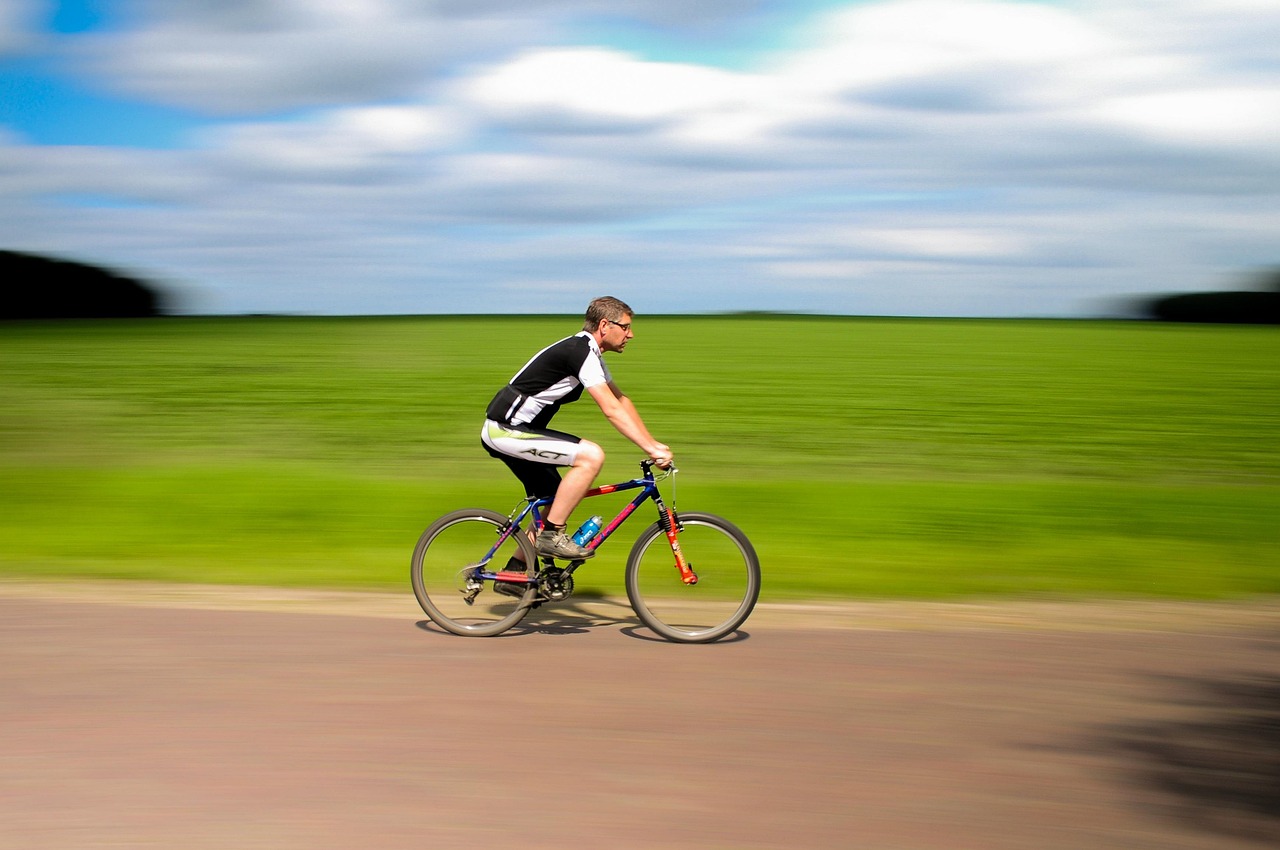

Cycling Gear Essentials for Older Adults
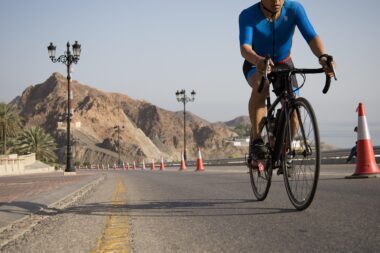
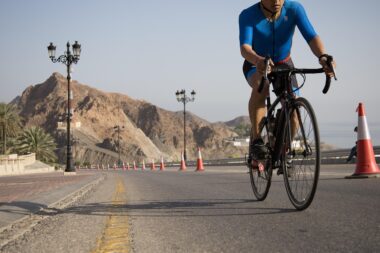
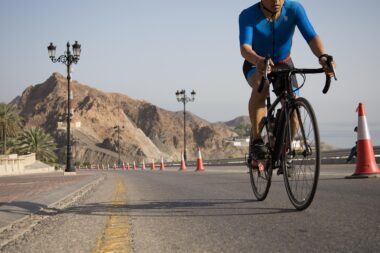
Cycling is an excellent way for older adults to stay fit and enjoy the outdoors. However, having the right gear is crucial for both comfort and safety. First, invest in a well-fitted helmet to protect against potential falls. A properly fitted helmet should sit level on your head and not rock back and forth. Secondly, consider getting breathable cycling clothing. Using moisture-wicking materials will keep you comfortable during those long rides. Thirdly, select padded cycling shorts; they can make riding much easier on the rear end, especially over long distances. Additionally, ensure your bike is in good condition. Regular maintenance checks can prevent accidents and enhance your cycling experience. Furthermore, always pack essentials like water bottles, snacks, and basic tools for on-the-road adjustments. A good hydration system is necessary, keeping you refreshed. Finally, invest in good-quality cycling shoes. They improve pedal efficiency and provide support for your feet. All these essentials contribute to a more enjoyable cycling experience for older adults. Always prioritize safety and comfort as you embark on your cycling journey.
Importance of Comfort in Cycling Gear
Comfort plays a vital role in cycling gear, especially for older adults. Well-structured bikes, coupled with upgraded seat options, dramatically enhance the rider’s experience. A seat that doesn’t fit well can lead to discomfort, causing individuals to avoid cycling. It’s essential to opt for a saddle that’s specifically designed for long-distance rides. These seats distribute weight and relieve pressure points effectively. In addition, wearing proper shoes ensures that power is transferred efficiently to the pedals, reducing fatigue. The use of gel cushioning inside the shoe can also prevent sore feet. Layering clothing is essential in managing body temperature while cycling; doing so enables older adults to adapt to changing conditions seamlessly. Fabrics that allow moisture to escape help in maintaining comfort, which is critical during warmer weather. Moreover, ensure that the handlebar height is adjustable; a proper fit reduces strain on the back and wrists. Older adults should also consider using bar ends, as they provide multiple hand positions which can change the grip as needed during long rides. Comfort-driven gear encourages greater participation in cycling, enhancing both health and happiness.
Another essential for older adults is using adjustable grips. Grips with cushioning can reduce vibrations, thereby providing greater control during rides. While riding, proper positioning is critical, and these grips can help accommodate varying riding styles. It’s equally important to have a visibility vest or bright clothing. Being seen by others ensures safety on the road, especially in low-light conditions. Furthermore, consider investing in reflective accessories; reflection can make a big difference in how noticeable you are to passing vehicles. Older adults should also think about cycling at optimal times during the day, such as early mornings when traffic is lighter. With the right preparation and gear, they can enjoy the outdoors safely. Additionally, consider carrying a small first aid kit. It can come in handy for minor injuries encountered while riding. Finally, always check weather conditions before heading out. Winds might pose a challenge, especially for less experienced riders. Understanding how to manage these conditions comes with experience but can greatly enhance safety and enjoyment. Always remember that proper preparation will yield a more satisfying cycling experience.
Selecting the Right Bicycle
Choosing the right bicycle is foundational for older adults interested in cycling. Electric bikes are becoming increasingly popular, providing additional assistance for those who need a bit more power during rides. They help in tackling hills or maintaining speed without excessive effort. Many bicycles come with step-through frames, making it easier to mount and dismount. This feature is particularly beneficial for those with limited mobility. Before purchasing, test ride different models to find the best fit; a correctly fitted bike reduces strain and enhances positioning. Make sure the bike’s seat is adjustable for an adequate height tailored to the rider’s measurements, encouraging a more ergonomic posture. Road bikes, hybrids, and cruisers each offer unique attributes suitable for different cycling needs. Seniors might opt for hybrids as they seamlessly blend both comfort and speed. In addition, selecting bikes with wider tires increases stability and comfort on various terrains. Try to choose models that accommodate the installation of accessories such as baskets or racks. These features enhance convenience, especially if carrying items during rides. Investing time in selecting the right bike ultimately leads to more joyful cycling experiences.
Furthermore, it’s essential to focus on safety gear while cycling. Besides a helmet, wearing knee and elbow protection can assist older adults in minimizing injuries during tumbles. Consider selecting gear that is lightweight and easy to wear so that it doesn’t encumber movement. Moreover, using bike lights enhances visibility on rides, especially on darker days or at dusk. Various models offer front and rear lights that can be easily attached to the bike. Cyclists should also be familiar with hand signals to communicate effectively with others while riding on shared pathways. Practicing basic hand signals can improve road safety tremendously. Additionally, taking a defensive riding course can empower older cyclists. Such skills can increase awareness regarding road hazards and overall riding safety. Another advantage of defensive cycling courses is that they provide opportunities to meet fellow cyclists, creating a supportive community. Joining local clubs can facilitate social interactions and motivate individuals to cycle regularly. Encouraging camaraderie adds depth to the cycling experience, making it more enjoyable. Overall gear and safety measures contribute to an enriching cycling lifestyle.
Maintenance and Upkeep of Cycling Gear
Maintaining cycling gear is critical for longevity and safety, especially for older adults. Regularly checking tires for pressure can prevent punctures and ensure a smoother ride. A more extensive inspection involves checking brake responsiveness, ensuring they function well with every ride. Make routine maintenance a habit to promote safe cycling. Keep your bike clean using mild soap and water; this removes dirt while ensuring functionality remains optimal. Lubricating the chain regularly helps in improving performance and smooth gear shifting. Older adults must also be aware of how to store their bikes properly. Indoor storage is ideal to protect against weather elements. Additionally, consider covering your bike even within garages if necessary to prevent dust accumulation. Investments in bike covers can significantly enhance protection. Keeping gear organized can extend its longevity; using dedicated storage solutions prevents wear and tear. When it comes to apparel, washing them in cold water with mild detergents helps maintain elasticity. Always hang dry garments rather than using dryers to keep them in their best shape. Practicing these maintenance steps brings a lot of value, helping ensure that your cycling gear remains effective for years.
Cycling in groups can also improve safety for older adults. Riding with peers promotes a sense of camaraderie while drawing social interactions. It’s beneficial for motivation to get out and ride regularly as a community. Furthermore, consistent cycling improves fitness levels, benefitting overall health. Many community organizations offer group rides tailored for older adults. Participating in these rides allows individuals to share experiences and learn from each other. Always ensure that routes are chosen based on the group’s collective comfort level. Riding with established groups also improves route knowledge, making cyclists more familiar with favorable and unfavorable terrains. In addition, members can exchange helpful tips on maintenance and riding techniques. These informal mentorship opportunities can increase confidence among newer riders. Group rides consistently boost morale, fostering an engaging cycling culture. Remember to set realistic goals and not to overexert yourself during these social rides. Cycling should be enjoyable and offer gratification over competition. Make sure to always have fun, appreciating the journey rather than focusing entirely on the destination. These shared moments contribute significantly to making cycling an enjoyable activity for older adults.