
Mindfulness Techniques to Overcome Performance Anxiety
Performance anxiety is a common issue faced by athletes across various sports, leading to subpar performances and increased stress levels. Mindfulness techniques can provide effective strategies for managing this anxiety. One of the most beneficial practices is focused breathing, allowing individuals to center their thoughts and feelings. By taking a few minutes to inhale deeply and exhale slowly, athletes can reduce tension and apprehension. Incorporating regular meditation into your routine can facilitate mindfulness. Even a short five to ten-minute session each day can help calm the mind. Visualization is another powerful tool; picturing success in a relaxed state can positively influence actual performance. Setting achievable goals is also crucial. Breaking down larger tasks into manageable steps can alleviate overwhelm, helping athletes maintain focus. Journaling is encouraged, allowing the expression of feelings and identifying patterns of anxiety. Additionally, fostering a supportive environment with coaches and teammates promotes open conversation about anxiety. Remember that performance anxiety is natural and proactive coping strategies through mindfulness can enhance performance while fostering overall mental health for athletes.
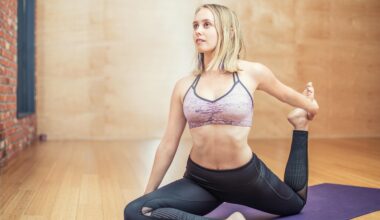
Another essential mindfulness technique for addressing performance anxiety is practicing self-compassion. Athletes often push themselves, striving for perfection, but such high expectations can lead to anxiety and disappointment. By embracing the notion of self-compassion, athletes learn to treat themselves with kindness during tough moments. Engaging in positive self-talk can help to reframe negative thoughts that may arise during competition. Rather than berating themselves for perceived failures, they can focus on personal growth. Mindful movement practices, such as yoga or tai chi, can significantly reduce anxiety. These activities encourage the body to connect with the mind, promoting relaxation and awareness of the present moment. Regular participation in these practices can build resilience against performance-related stress. Additionally, creating rituals prior to competing can aid in establishing a sense of control. Whether it’s a specific warm-up routine or pre-competition mantra, rituals can ground athletes and prepare them mentally. Remember to practice gratitude; focusing on positive experiences reinforces a healthy mindset amid performance challenges. Ultimately, integrating mindfulness techniques into daily life can lead to a more balanced approach to athletics, improving both mental health and athletic performance.
Mindful Breathing Techniques
Mindful breathing is one of the most direct ways to combat performance anxiety in athletes. This technique allows individuals to pause, observe their breathing patterns, and bring awareness to the present moment. When feelings of anxiety arise, athletes can close their eyes and take a deep breath, holding it for a few seconds before releasing. Focusing on the breath helps detach from racing thoughts and worries, grounding oneself in reality. The 4-7-8 breathing technique is particularly useful; inhale for four seconds, hold for seven, and exhale for eight. This practice calms the mind through rhythm and control. Using guided breathing exercises found in apps or online helps reinforce this technique. Incorporating these mindful breathing practices into daily training can make them more instinctive during competitions. Consider practicing before a big event or even in the moments leading up to competition. Athletes often report feeling lighter and more focused after engaging in mindful breathing. Including this practice also enhances overall awareness, which contributes significantly to performance improvement and mental fortitude in challenging moments.
Visualization is a powerful tool often employed by athletes to overcome performance anxiety. This technique allows individuals to vividly imagine successful performances, which can help enhance confidence levels and mental preparedness. Athletes can carve out time in their training regimen to mentally rehearse their skills in a controlled environment. By envisioning themselves excelling in their sport, they create a positive mental framework that reduces anxiety. Coaches often encourage athletes to create a detailed mental script, focusing not only on the goals but also on the journey toward achieving them. Practicing visualization alongside mindfulness provides an even greater impact, as it enforces a calm yet productive mindset. Using imagery not only prepares athletes mentally but also physiologically; research has shown that the body can respond to mental simulations similarly to actual practice. Furthermore, integrating this visualization technique into pre-competition rituals will reinforce self-assuredness. Expect high-pressure situations; being mentally prepared through visualization can lead to better performance outcomes. Finally, paired with other strategies like breathing techniques, visualization becomes a robust part of an athlete’s mental health toolkit.
Creating Supportive Environments
Fostering a supportive environment can greatly influence how athletes deal with performance anxiety. Coaches and teammates play pivotal roles in shaping an athlete’s experience, encouraging communication about mental struggles. Providing a space where athletes feel comfortable discussing their worries creates a culture of openness. Regular team discussions on mental health, including mindfulness practices, can help normalize these experiences and mitigate feelings of isolation. Establishing mentorship programs where seasoned athletes share their coping strategies fosters community and connection. Additionally, a coach’s understanding and sympathetic approach towards anxiety can establish trust, which is essential for personal growth. Emphasizing effort over several outcomes can cultivate a healthier perspective on performance. Athletes often thrive in environments that prioritize mental well-being and offer platforms for sharing experiences. Workshops on resilience, techniques, and mindfulness can be beneficial for all involved. Schools and sports organizations can facilitate such initiatives to cultivate a positive growth culture. Remember, collaboration among athletes, coaches, and mentors can significantly reduce anxiety and improve overall performance. A supportive atmosphere is key to not only athletic success but to continual mental healthy growth as well.
Mindfulness can also be enhanced through nutrition, contributing positively to athletic mental health. Understanding the impact of diet on mood and cognitive function is vital for athletes. A balanced diet rich in omega-3 fatty acids, whole grains, and antioxidants can help reduce anxiety levels. Incorporating foods that stabilize blood sugar contributes to emotional regulation, lowering irritability and anxiety. Mindful eating practices encourage individuals to savor each bite and appreciate their food. Take time to acknowledge hunger cues and stop when feeling satisfied, promoting a positive relationship with food. Following a good hydration routine is equally important; dehydration can lead to increased feelings of stress. Moreover, athletes frequently choose snacks that provide quick energy boosts, neglecting the long-term benefits of nutritious whole foods. Scheduling meal preps can ensure nutritious options are available even amid tight training schedules. Mindfulness also extends to food choices; being aware of how certain foods affect mood can empower athletes. Ultimately, when athletes prioritize their nutrition alongside mindset strategies, they can build a stronger foundation for managing performance anxiety while enhancing overall athletic performance.
Conclusion on Mindfulness’s Role
In conclusion, mindfulness techniques serve as valuable tools for overcoming performance anxiety in athletes. From focused breathing, visualization, and nutrition to establishing supportive environments, each strategy plays a crucial role in mental preparedness. Athletes can mitigate anxiety by implementing these strategies into their routines, enhancing both their performances and overall mental health. Mindfulness encourages athletes to be present, fostering resilience in competitive atmospheres. As they embrace the power of mindfulness, athletes can transform their approach to mental health, shifting from fear and anxiety toward composure and self-assurance. Furthermore, as mindfulness becomes a regular fixture in an athlete’s training regimen, they cultivate a broader perspective on their performance. This broader view can lessen comparisons to others and ultimately lead to personal gains. Encourage ongoing conversations about mental health within sports, creating informed teams that take both performance and mental well-being seriously. The teachings of mindfulness remind athletes that the journey matters as much as the destination, paving the way for healthier experiences in sports. Embracing mindfulness is essential for athletes desiring to thrive both mentally and physically in the demanding world of sports competition.