
The Science Behind Tracking Progress with Multiple Fitness Devices
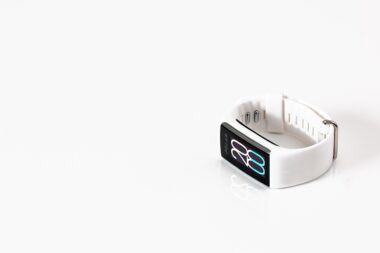
Tracking progress in fitness using multiple devices can be an effective way to monitor various aspects of health and performance. By integrating different tracking tools, individuals can obtain valuable insights into their workouts and overall wellness. Each device typically comes with its own features, such as heart rate monitoring, step counting, or sleep tracking. This multifaceted approach allows fitness enthusiasts to gain a comprehensive understanding of their habits and activities. Additionally, using multiple devices can address the limitations of each tool. For instance, a smartwatch may excel in activity tracking, while a heart monitor may provide more accurate cardiovascular data. The combination leads to a holistic overview of personal health outcomes. It is imperative to choose devices that fit seamlessly into one’s lifestyle and preferences. Moreover, setting specific goals can help direct the integration process. This not only keeps users motivated but also ensures that the data collected is actionable. Calibrating the tools to align with individual goals will provide a clearer picture of where improvements are needed.
The Benefits of Integration
Integrating multiple fitness tracking devices yields numerous advantages for anyone looking to enhance their physical activity regime. By connecting devices such as a fitness tracker, smartwatch, or app, one can create a cohesive view of their health data. This integration promotes better decision-making, as users can instantly identify areas needing attention or improvement. For example, if a fitness tracker shows that step counts are low, a user can adjust their daily routine accordingly. Furthermore, integrating various tools ensures a thorough overview of different metrics such as calories burned, distance traveled, and time spent exercising. This level of detail can significantly aid in refining training programs. Additionally, fitness apps often provide features that summarize and analyze data from multiple sources, helping users visualize trends. This can be highly motivating, offering real-time feedback on progress, enhancements, or setbacks. Users are encouraged to track fitness levels over time, fostering a deeper understanding of their transformation. Ultimately, successful integration enhances accountability and promotes consistency in achieving fitness goals, driving users to maintain their health journeys.
Despite the many benefits, there are challenges associated with using multiple fitness tracking devices. One significant hurdle is ensuring that all devices sync correctly and share data efficiently. When data fails to synchronize, it can lead to confusion and frustration, undermining the user’s experience. This issue often arises when devices are from different manufacturers, as compatibility may vary. It’s vital to choose devices that can communicate with one another, often through dedicated apps or platforms. Having all data in one location allows users to make informed decisions without needing to juggle multiple datasets. Furthermore, the complexity of managing numerous metrics can be overwhelming for some users. It’s important to simplify the approach by focusing on key performance indicators that align with personal health goals. Reducing the information overload can help users stay engaged and motivated throughout their fitness journey. A clean and user-friendly interface makes it easier to comprehend and act on the data collected, making it essential to select compatible platforms and focus on clarity to reap the full benefits of integrated tracking.
Choosing the Right Devices for You
When considering the integration of multiple fitness tracking devices, selecting the right tools is crucial for achieving successful outcomes. Users need to evaluate their fitness routines, preferences, and specific objectives before making purchases. A heart rate monitor may be beneficial for serious athletes engaged in intense training sessions, while casual walkers might prefer a basic pedometer. Moreover, wearable devices with a broader range of features typically come at a higher price point. Therefore, budgeting and understanding one’s needs is vital. Researching reviews and comparing features can significantly assist users in making informed choices. Apps that facilitate integration are also worth considering, providing compatibility and synchronization options across devices. Ensuring an easy user experience enhances the likelihood of long-term engagement with the fitness routine. A clear understanding of how each device contributes to overall health can lead to experience optimization. As technology advances, newer devices may offer improved functionalities; staying up to date with trends is necessary for user satisfaction. Ultimately, the right combination of devices can drive motivation, making tracking enjoyable and effective.
Furthermore, effectively utilizing the data collected from multiple fitness devices is essential for optimizing workouts and achieving health goals. Users should not only collect data but also analyze it for meaningful insights. Regularly reviewing metrics like step counts, heart rates, and sleep patterns can illuminate trends and areas for improvement. This review process can help identify specific activities that yield positive results or highlight those that don’t contribute to user objectives. Set benchmarks based on personal history or industry standards, allowing individuals to measure progress realistically. Additionally, sharing achievements and challenges with a community can create accountability and motivation. Social features in fitness apps often enable sharing data with friends or large groups, creating a support system. Many individuals find success in accountability partnerships, which enhance commitment to fitness goals. Celebrating small wins and recognizing milestones can foster a positive mindset. Using the data in a motivational context ensures that tracking feels rewarding rather than burdensome. Overall, understanding and applying the data enable individuals to become more proactive in their fitness journeys.
Conclusion: The Future of Fitness Tracking
The future of fitness tracking lies in continuous innovation and integration, making it an exciting time for fitness enthusiasts. As technology matures, the landscape of tracking will become increasingly sophisticated. Wearable devices will likely see advancements in features, completeness, and accuracy. Users will benefit from smart devices that offer even deeper insights into health metrics and seamlessly connect with other platforms. The emphasis will be on user experience, ensuring that tracking becomes less cumbersome and more intuitive. More integrated systems promise to provide a comprehensive understanding of health trends over time. With the rise of artificial intelligence and machine learning, personalized recommendations will likely become more tailored to individual needs. As users become more aware of their health status via data, they may develop healthier habits. Fitness tracking will evolve from an observational tool to a proactive partner in achieving health goals. Users can expect to see enhancements that facilitate motivation, accountability, and results driven pathways. The integration of multiple fitness devices will thus remain a focal point, setting the stage for a more engaged fitness community.
Ultimately, integrating multiple fitness tracking devices provides an opportunity to maximize the benefits of monitoring health and performance. With careful selection and effective data utilization, individuals can achieve substantial improvements in their fitness journeys. The approach fosters accountability and motivation, essential components for sustaining positive habits. Balancing multiple metrics enables a refined understanding of health status, while technology continues to evolve, making it easier than ever to access and analyze useful data. As users navigate their unique paths to health and wellness, the importance of comprehensive tracking cannot be overstated. Fitness enthusiasts who embrace this multifaceted approach will find empowerment in their journey, as they cultivate a deeper connection with their bodies and personal progress. This synergy between technology and the human experience will play an integral role in shaping the future of fitness. The roads to health and fitness are as diverse as the individuals traveling them, paved by insightful and meaningful tracking of progress.
In conclusion, leveraging multiple fitness devices can significantly enhance the tracking and monitoring of personal progress. By understanding how various tools work together, users can reap the benefits of comprehensive health metrics. Integrating different devices ultimately creates a more complete picture of physical fitness, motivating users to continue and improve athletic pursuits. Whether it is running, strength training, or yoga, tracking empowers individuals with actionable insights to foster positive changes and growth. The adaptability and evolution in fitness technology provide endless possibilities for awareness and improvement.