
Designing Fitness Spaces That Promote Ergonomic Posture Practices
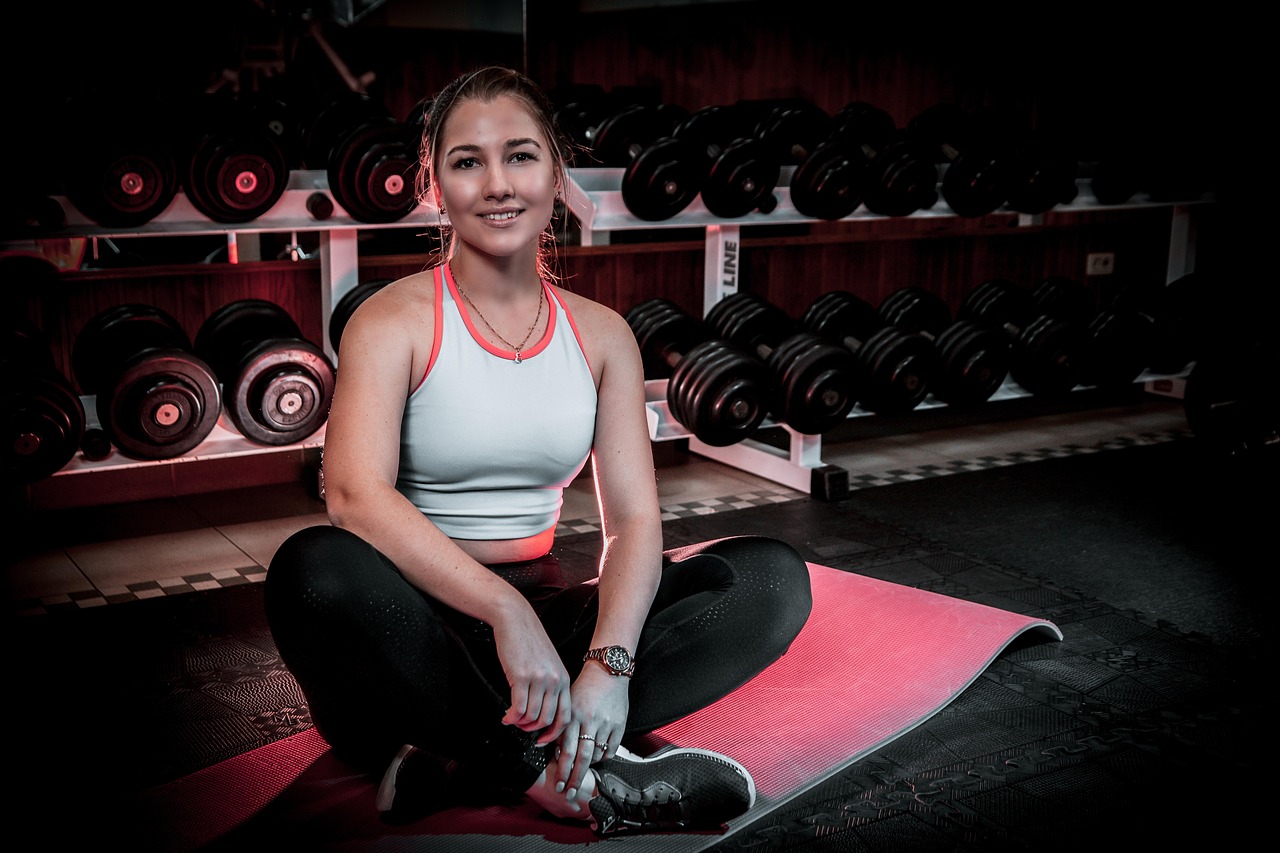
Creating fitness spaces that encourage ergonomic practices is essential for promoting health, performance, and well-being. This design approach involves thoughtful placement of fitness equipment and ensuring adequate space for movement. Lighting, colors, and temperature control also play pivotal roles in fostering a comfortable environment. For instance, bright lighting can boost motivation, while softer hues create a calming atmosphere. Gym layouts should incorporate diverse equipment to accommodate users of all shapes, sizes, and fitness levels, allowing everyone to achieve optimal posture. Furthermore, integrating educational materials about posture techniques ensures users understand the significance of their posture while exercising. Ergonomic design shouldn’t feel restrictive but instead should inspire individuals to engage in body-positive practices. By encouraging frequent breaks and providing prompts for posture checks, fitness spaces can enhance users’ awareness of body alignment. Facilities can even offer workshops illustrating the importance of posture in fitness. In this way, they can improve experiences and outcomes both during workouts and daily life. Ultimately, a well-designed fitness space is indispensable for supporting users in cultivating ergonomic habits that benefit both short-term and long-term health.
The Importance of Ergonomics in Fitness
Incorporating ergonomic considerations in fitness is vital to overall health and performance. Poor posture can lead to discomfort, muscle strain, and long-term injuries, negatively impacting fitness progress and quality of life. Awareness of body mechanics allows participants to engage in exercises that maximize efficiency while minimizing risks. Ergonomically designed fitness environments encourage mindful habits, promoting better alignment and posture. Key ergonomic principles to consider include maintaining a neutral spine, using resistance equipment effectively, and encouraging proper weight distribution during exercises. Additionally, warm-up and cool-down routines can prepare the body for movement while reducing injury risk. By amplifying ergonomics in fitness, individuals learn techniques that not only enhance performance but also translate to daily activities. Educating users through signage, workshops, and personal training sessions can profoundly influence how they perceive fitness. It leads them to recognize the long-lasting benefits derived from incorporating proper techniques and self-awareness into their routines. Furthermore, an ergonomic focus operates on a mindfulness level, assisting individuals in connecting mindfully with their bodies. This holistic approach revolutionizes their interaction with fitness, encompassing both physical and mental well-being.
When designing fitness spaces, thoughtful organization is paramount. Arranging exercise equipment in a functional layout allows for safe movement while reducing congestion. Ample space between machines ensures that users can perform exercises confidently without hindering others. Providing designated strength, cardiovascular, and flexibility areas helps guide users to their desired activities. Clearly marked pathways and intuitive layouts improve navigation, making the space inviting and user-friendly. Additionally, incorporating adjustable equipment accommodates users of varying sizes and fitness levels, enabling proper posture and body alignment. Ergonomic seating areas for rest and recovery may also enhance user experience. Informational signage about equipment function and exercises can significantly improve safety and efficiency. Explanation of proper techniques can help to reinforce users’ understanding of their body mechanics in relation to the fitness equipment. Well-placed mirrors throughout the space enable users to monitor their postures effectively, giving a visual cue for adjustments. Aesthetically pleasing design, compounded with elements of nature like plants or sunlight, can further improve users’ overall emotional state. Creating a harmonious environment makes fitness enjoyable while allowing individuals to focus on maintaining proper posture.
Innovative Features for Ergonomic Fitness Spaces
Many fitness facilities now integrate innovative features that prioritize ergonomics alongside traditional workouts. Equipment that integrates biofeedback technology provides users with instantaneous data regarding their posture and form during exercise. This real-time feedback empowers individuals to make immediate adjustments, fostering deeper awareness of body mechanics. Additionally, smart flooring solutions that measure pressure distribution enable users to understand their weight shifts during activity, alerting them to any necessary posture corrections. Implementing virtual reality technology for posture education adds an engaging dimension to fitness. Users can experience simulated environments while focusing on proper techniques and alignment, enhancing their connection to bodily movements. Moreover, mobile applications that offer ergonomic guidelines paired with personal fitness programs add an extra layer of support. These tools provide instructional videos and reminders, making it easier for users to adhere to proper techniques. Ergonomically designed accessories, such as supportive mats or adjustable resistance tools, further encourage users to maintain optimal positions while training. Flexibility in workout spaces fosters creativity, keeping individuals motivated and engaged while ensuring their fitness practice promotes good posture throughout.
Developing a culture of continuous learning regarding posture and ergonomics is essential in fitness spaces. Offering workshops and classes focusing on alignment, exertion levels, and general wellness encourages individuals to explore new techniques and improve their skills. Tailored programs can be especially beneficial for addressing specific needs of different populations, such as seniors or those recovering from injuries. Engaging certified professionals to lead these educational sessions ensures reliability and expertise. Collaborative events involving local health professionals reinforce the circle of knowledge about posture-related health issues. Participants gain insights into how proper alignment contributes to overall wellness. Fostering community collaboration strengthens awareness of ergonomics, encouraging individuals to seek help and support from one another. Moreover, social media platforms can facilitate follow-up discussions, allowing users to share their progress. Encouraging discussions on ergonomics creates a supportive atmosphere, enhancing motivation among participants to adapt their practices. Sustainability can also be interwoven into ergonomics by promoting awareness of proper lifting techniques, minimizing physical strain and injury risk. In this manner, fitness spaces not only generate enthusiasm for exercise but also cultivate a culture of continuous personal development and support.
Evaluating the Effectiveness of Ergonomic Design
Measuring the success of ergonomic design in fitness spaces is crucial for determining the impact of such practices. Establishing benchmarks and user surveys can provide valuable feedback on physical comfort and satisfaction levels. Assessing members’ posture and movement patterns pre- and post-utilization of designed spaces allows for analysis of ergonomic benefits. Objective data, such as injury rates and user participation, contribute to a comprehensive understanding of effectiveness. Tracking trends over time reveals patterns in user engagement, identifying areas that may require further improvement. Additionally, hosting focus groups can encourage meaningful discussions regarding users’ personal experiences in the fitness environment. These insights may uncover needs that have yet to be addressed, prompting renovations or adjustments in programming. By establishing an open line of communication, facilities can adapt their spaces to better meet users’ expectations. Furthermore, documenting case studies on success stories deepens the understanding of how ergonomics influences overall fitness experience. By continuously refining fitness environments, user health, motivation, and retention rates can potentially improve, ensuring long-term success for both individuals and facilities alike.
Ultimately, designing fitness spaces that promote ergonomic posture practices lays the foundation for healthier communities. Empowering individuals through educational practices and innovative design leads to sustainable lifestyle changes that enhance well-being. Fostering connections between fitness and posture creates a stronger understanding of the physical body’s needs, allowing individuals to become advocates for their own health. This proactive approach encourages participants to prioritize self-care and body mechanics while maintaining an enjoyable fitness regimen. As the fitness community becomes increasingly aware of ergonomics, facilities can cultivate environments that engender long-lasting, positive experiences. The well-designed fitness spaces of tomorrow will continue to inspire engagement, promote healthy habits, and elevate user enjoyment throughout their fitness journeys. Furthermore, allocating resources toward upgrading or enhancing existing spaces ensures relevance in an ever-evolving wellness landscape. As trends shift toward comfort, functionality, and user-friendliness, fitness facilities must adapt accordingly. When communities embrace ergonomically optimized environments, they witness the benefits spanning beyond traditional exercise routines. Ultimately, this reflects a collective commitment to a healthier future for all.