
How to Prepare for Your First Powerlifting Competition
Preparing for your first powerlifting competition can be an exhilarating yet daunting experience. Powerlifting is a strength sport that involves three main lifts: the squat, bench press, and deadlift. Successful preparation requires understanding these lifts and their demands. A solid plan will aid in building strength and ensuring your body is ready. You must start by following a structured training program focused on these lifts. Work on improving your form while gradually increasing weights over time. Consulting experienced lifters or coaches can offer valuable insights that help streamline your progress. Consider participating in a local meet as practice for a real competition. Don’t underestimate the importance of mental preparation; visualize yourself succeeding in your lifts. Additionally, focus on nutrition, ensuring your body receives adequate fuel for training and recovery. Stay hydrated and eat well-balanced meals. Lastly, remember the importance of rest and recovery. Give your muscles time to heal from strenuous workouts, as this is when growth occurs. A well-rounded approach will set you up for success in the highly competitive powerlifting scene.
In addition to physical preparation, understanding the competition day is crucial for your first powerlifting experience. The first step is to familiarize yourself with the rules and regulations of the competition you are entering. Both the squat and bench press have specific commands that need to be followed to ensure a successful lift. You must perform lifts according to judge’s commands, which may include cues to begin, lock out, and rack. Arrive early on the competition day to perform warm-ups. Also, review the schedule for your event and plan your warm-up accordingly. Make sure to have your gear ready including a lifting belt, shoes, and any other supportive equipment. Having a checklist will help you remember everything you need. Generally, lifters also benefit from having a personal handler who assists with coaching and provides moral support. During lifting, it’s essential to stay focused and confident. Treat each lift as an opportunity to showcase your hard work. Emotions can run high on competition day; channel any anxiety you feel into motivation. A positive mindset and solid execution of your plan can lead to a successful first competition experience.
Nutritional Strategies for Competition
Your nutrition leading up to the competition can greatly influence your performance. Start paying attention to your diet at least a month beforehand, focusing on consuming sufficient protein, carbohydrates, and healthy fats. Protein is essential for muscle repair and growth, while carbohydrates provide energy for strenuous lifting. Aim for a balanced intake, focusing primarily on whole foods. Include lean meats, dairy, whole grains, fruits, and vegetables in your meals. Meal prepping can save time and ensure you’re eating appropriately. Hydration is also vital; drink plenty of water throughout the day but adjust your intake as competition approaches. Some lifters choose to manipulate body weight before the competition to achieve a specific weight class. If this is your goal, do so carefully to avoid negatively impacting performance. Avoid drastic changes the week of the competition. The day before the competition, focus on eating easy-to-digest foods. Consuming simple carbohydrates can help to sustain energy levels. Finally, maintain a regular eating schedule to avoid any surprises on competition day that may affect performance due to changes in meals or timing.
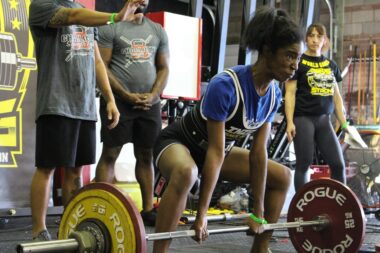
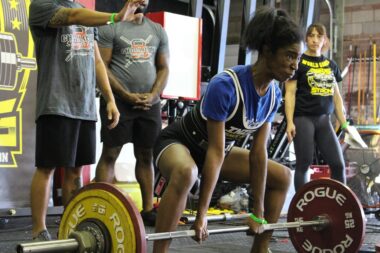
Practicing during the final weeks leading up to the competition is crucial. Utilize lighter weights during this period to focus on form and technique rather than pushing for personal records. This phase, known as deloading, allows your body to recover adequately while maintaining preparedness. Incorporate mock meets into your training regime to simulate an actual competition atmosphere. This gives you the chance to practice commands, manage your time, and experience the environment you will face. Test your feeding and hydration strategies during these mock meets to ensure they will work on competition day. It can be beneficial to enlist the help of training partners or coaches who can act as judges during these tests. Familiarity with competition conditions will instill confidence and reduce anxiety as you prepare for the actual event. Review your hitting points for each lift and ensure they align with what is expected on competition day. Keeping records of your training lifts can guide adjustments in your approach as necessary. Confidence builds with every practice session, enhancing your readiness for the actual competition.
Gear Requirements for Powerlifting
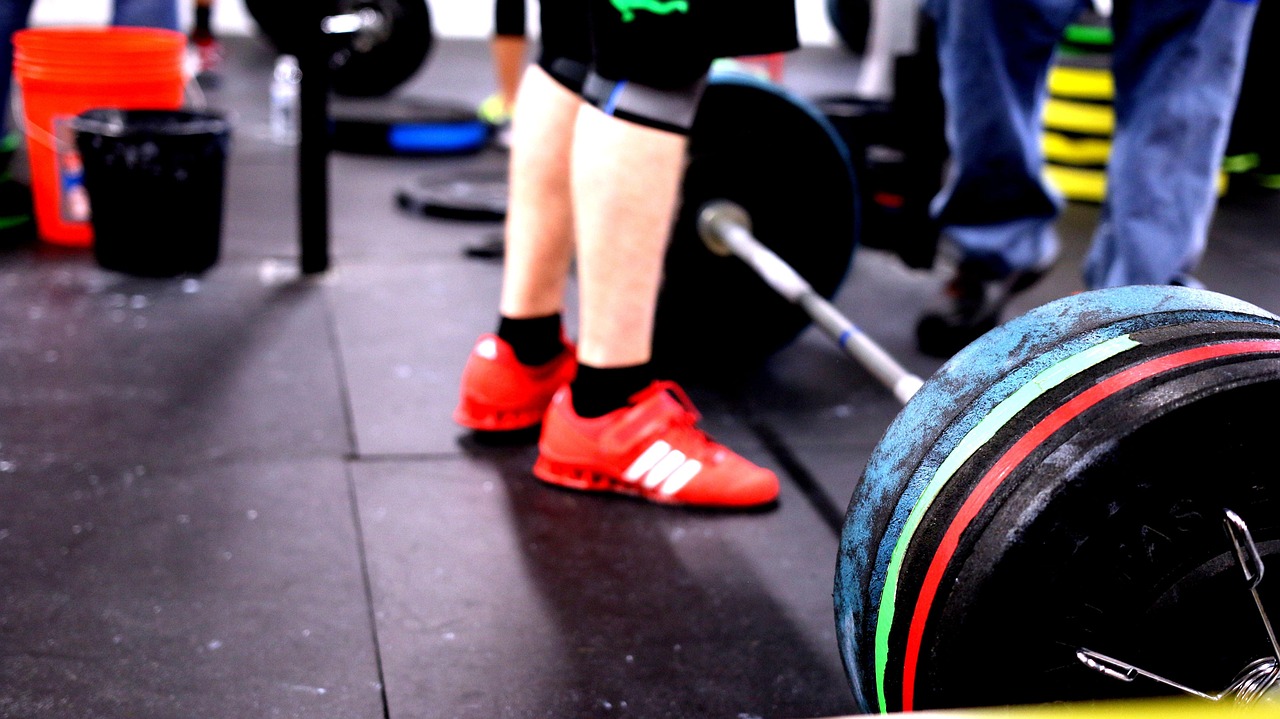
Understanding the gear requirements for a powerlifting competition can often be overwhelming for newcomers. Each powerlifting federation may have specific regulations regarding equipment used during the competition. Typically, you’ll need a lifting belt, supportive footwear, and possibly knee sleeves or wraps. The lifting belt can provide additional back support and stability during heavy lifts. Select a belt that meets the competition requirements regarding width and thickness. Specialized powerlifting shoes provide optimal grip and stability during lifts like the squat and deadlift. These shoes typically have a flat sole to ensure optimal force transfer. Before the competition, confirm you have all gear readily available and compliant with the federation’s regulations. Additionally, you might consider wearing a singlet, as most events require one. The singlet allows for flexibility while keeping in line with competition rules. Always break in your gear during training sessions to avoid discomfort on competition day. Familiarity with each piece can enhance your confidence when performing. Plan your attire based on the event’s standards, ensuring that you feel at ease and ready to perform your best.
The mental aspect of powerlifting is just as important as physical training. Engaging in mental strategies can enhance your focus and performance on competition day. Visualize yourself successfully completing your lifts before stepping onto the platform. Mental rehearsal can positively influence your actual performance. Building mental resilience may also be beneficial for dealing with the inevitable challenges faced during training and competitions. Consider employing mindfulness techniques or positive affirmations, which can help keep anxiety levels low. Remember, pressure can arise from within as much as from the competition itself. Reflecting on past accomplishments can be a great booster of confidence. Focus on creating a pre-lift routine that helps you feel calm and centered. This routine can include breathing exercises or specific warm-up methods that help get you in a good mind space. Rehearsing these routines before competitions can eliminate surprises and instill feelings of familiarity during the event. Balancing mental preparedness with physical readiness will make for a complete approach. Overall, developing strong mental strategies can significantly elevate your competitive edge.
Post-Competition Recovery
After completing your first powerlifting competition, allowing your body to recover is key to continuous improvement. The competition experience can take a toll on your muscles and joints, so prioritize rest while also focusing on active recovery strategies. A few days off from intense workouts will help alleviate soreness and promote healing. Engage in light walking, stretching, or foam rolling exercises to stimulate blood flow, which aids muscle recovery. Nutrition remains essential during this phase; aim to consume protein-rich foods to assist in muscle rebuilding. Be mindful of hydration, particularly if you cut weight before the competition. Post-competition is also an excellent time to reflect on your lifts, noting successes and areas for improvement. Review your performance to determine what worked well and what didn’t. Consider seeking feedback from coaches or experienced lifters to gain deeper insights. Implementing this feedback into your training will pave the way for future successes. Most importantly, allow yourself to celebrate your achievements, regardless of the outcome. Setting goals for future competitions can help maintain motivation and ensure continuous progress in your powerlifting journey.
Lastly, networking with other lifters can also play an essential role in your growth and development within the powerlifting community. The relationships you build can offer support, motivation, and opportunities for collaboration. Attend local meets to connect with other powerlifters who are on their own journeys. You can learn valuable tips, share experiences, and forge friendships with like-minded individuals who understand the challenges of the sport. Online communities also exist where you can exchange advice and encouragement. These connections can lead to potential future training partnerships or even mentorship opportunities. Volunteering at competitions is another way to become involved and meet fellow lifters. Observing others lift will provide you with unique insights and perspectives on various styles. Plus, it fosters a sense of community and connection, which is particularly important to lifelong success in powerlifting. Continuous learning is part of growing within the sport; feed your enthusiasm by surrounding yourself with passionate individuals. As you progress, your involvement in the powerlifting community will provide motivation and accountability as you strive for your own personal bests.