
Exercise Strategies for Managing Arthritis in Older Adults
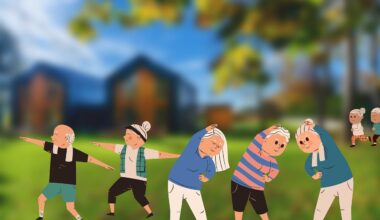
Arthritis can significantly impact the quality of life for older adults, leading to pain, stiffness, and decreased mobility. Fortunately, exercise serves as an effective strategy for managing arthritis symptoms. Engaging in a regular fitness routine helps to alleviate discomfort, improves joint function, and enhances overall well-being. It is essential for older adults to find suitable exercises tailored to their individual abilities while considering potential limitations. Low-impact exercises, such as swimming or cycling, can reduce stress on the joints while still providing cardiovascular benefits. Adopting a gradual approach allows individuals to ease into their routines and prevents the risk of injury. Consulting with healthcare professionals, including physical therapists, can create personalized exercise plans that accommodate users’ specific needs. Moreover, incorporating flexibility exercises, such as yoga or stretching, can help maintain joint integrity and range of motion. Strength training is also beneficial as it improves muscle support around the joints. Ultimately, consistency in exercising plays a vital role in managing arthritis long-term.
Types of Exercises for Arthritis
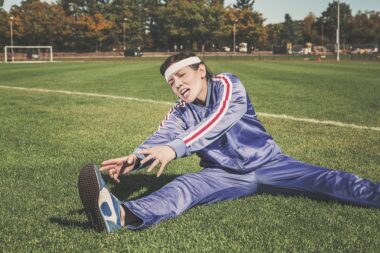
When managing arthritis through exercise, a variety of types can be beneficial. Aerobic exercises, such as walking, swimming, or cycling, enhance cardiovascular health while keeping joints mobile. Low-impact activities are preferable for avoiding excess strain on the affected areas. Furthermore, flexibility exercises play a crucial role in maintaining range of motion, reducing stiffness throughout the day. Practicing gentle stretches or participating in yoga classes can improve both flexibility and mental wellness of older adults. Strength training, on the other hand, focuses on building muscle around the joints, offering added support and stability. Using resistance bands or light weights can provide effective strength training options that are easy to incorporate. Additionally, balance exercises contribute to overall stability, preventing falls, which can be particularly dangerous for older adults. Tai chi or standing leg lifts can enhance balance and coordination. Creating a balanced routine combining these exercise types can yield the best results. Adequate rest should also be prioritized, ensuring that the body has time to recover and adapt after exercise sessions.
Prioritizing warm-up and cool-down exercises is essential for older adults managing arthritis. Warming up prepares the muscles, joints, and connective tissues for exercise, while cooling down allows them to gradually transition back to a resting state. This practice drastically reduces injury risk and helps alleviate post-exercise pain. Gradually increasing physical activity is key when starting any new exercise program. This approach permits older adults to listen to their bodies while adapting to different movements. Incorporating range of motion exercises can also be beneficial, as gentle rotations and movements encourage synovial fluid production. This fluid serves to lubricate joints and helps reduce stiffness. It’s paramount to maintain consistent communication with healthcare providers throughout the exercise journey. They can help modify exercises or suggest alternative activities if the chosen movements cause discomfort or exacerbate pain. Staying active may seem challenging, but many resources are available to assist in maintaining an enjoyable and supportive exercise routine. Online videos, classes tailored for older adults, and community programs can strengthen motivation and facilitate the adherence to physical activity over time.
Importance of Regular Movement
For older adults with arthritis, maintaining regular movement is essential for preserving joint health. Daily activity is important not only for the body but also for mental well-being. Engaging in regular exercise fosters social connections and feelings of accomplishment while combating isolation. Activities like joining group classes boost motivation, making it easier to stay committed to an exercise routine. Regular movement can help regulate weight, which is beneficial as excess weight puts additional stress on joints. Integrating movement into daily life can be easily achieved through small changes, such as taking short walks, standing instead of sitting, and participating in recreational activities. Finding opportunities for physical activity throughout the day can create a sustainable approach to overall fitness. Older adults should be encouraged to listen to their bodies and recognize when to take breaks. Resting when fatigue sets in is vital for preventing injuries and promoting recovery. Staying engaged mentally through social interactions and physical challenges can contribute significantly to overall health, feeling empowered and encouraging a more active lifestyle.
Monitoring progress and celebrating achievements is important for older adults engaged in exercise routines. Setting realistic goals can help individuals stay motivated and maintain a positive mindset. Whether it’s increasing the duration of a walk, performing an additional set of strength exercises, or simply feeling reduced joint discomfort, recognizing achievements contributes to long-term success. Keeping a journal to track workouts, goals, and feelings post-exercise can provide insight into the effectiveness of their regimented routine. Moreover, these tangible records can offer encouragement and inspiration to continue motivating oneself throughout challenging periods. Even when facing setbacks or difficulties, older adults should celebrate their resilience in persisting with their workout plans. Engaging with peers online or in-person can create a sense of community, further motivating individuals on their health journeys. Utilizing technology such as fitness trackers or smartphone apps could help track activity levels and provide feedback on one’s progress as well. Ultimately, creating an environment of support fosters a positive attitude towards exercise and promotes the likelihood of maintaining physical activity in the long run.
Consulting Professionals for Guidance
Before initiating any exercise regimen, older adults with arthritis should consult healthcare professionals. Personalized recommendations based on individual needs can ensure safe and effective workouts. Medical professionals can evaluate pre-existing conditions and recommend appropriate exercises tailored specifically to managing arthritis concerns, focusing on minimizing pain and discomfort. Physical therapists can work alongside older adults to teach proper form and techniques, preventing injury and ensuring proper support. Additionally, occupational therapists may provide guidance on how to integrate exercises into daily routines. Engaging in these consultations offers not only professional insight but also provides reassurance and confidence to the participants. Furthermore, working with personal trainers initially may lead the journey towards successful fitness plans, as they can structure workouts considering existing limitations and personal goals. Workshops or community resources provide additional support and education which can empower older adults by broadening knowledge about arthritis management through exercise. Joining community exercises through local health organizations can also create a robust sense of camaraderie, benefiting overall morale and improving adherence to exercise routines among older adult populations.
In conclusion, exercise holds immense potential for older adults managing arthritis. Through a strategic approach involving various exercise types, prioritizing warm-up and cool-down techniques, focusing on regular movement, and consulting professionals, older adults can improve their quality of life. It is crucial to foster an environment where participating in physical activities is celebrated in small milestones and create a supportive community that encourages pursuits in fitness. Progress, no matter how minute, should be acknowledged as significant. As seniors discover which activities resonate most with their lifestyles, they can build sustainable and enjoyable exercise regimens. Promoting openness and communication among older adults regarding their experiences can also serve as a motivating factor for others beyond individual limitations. Ultimately, staying active can reduce the debilitating effects of arthritis, providing individuals with the freedom to engage in daily tasks and maintain their independence. Continuing education and advocacy surrounding exercise in relation to arthritis management among older adults forms an essential part of comprehensive health strategies. Regular exercise empowers individuals to take control of their health and significantly improves physical and mental well-being.