
Vegetarian and Vegan Low-Carb Lifestyle: Is It Possible?
Adopting a vegetarian or vegan low-carb lifestyle can be a rewarding experience if done thoughtfully. Many people perceive low-carb diets to be inherently non-vegetarian as they lean heavily on animal protein. However, a low-carb vegetarian or vegan plan can be quite effective and diverse. Start by incorporating non-starchy vegetables like broccoli, spinach, and zucchini, which are low in carbs and high in nutrients. These veggies can form the foundation of meals, taking the place of carbohydrate-laden grains and starchy plants. Moreover, adding healthy fats like avocados, nuts, seeds, and oils can help compensate for the decreased carbohydrate intake. Protein sources such as tofu, tempeh, and legumes like lentils can help fill protein gaps. It’s crucial to be mindful of your micronutrient intake, particularly proteins and essential fatty acids. Planning your meals carefully can also ensure you achieve a fulfilling diet. By being creative, it’s possible to adhere to low-carb principles while following vegetarian or vegan guidelines, making it an enjoyable journey rather than a restrictive one.
One of the biggest challenges faced by those pursuing a vegetarian or vegan low-carb lifestyle is achieving the right balance. It becomes essential to track carbohydrate sources to remain within your daily limits while ensuring sufficient intake of nutrients. Foods such as cauliflower rice, zucchini noodles, and eggplant can serve as satisfying substitutes for traditional high-carb pasta. Incorporating these foods into your diet is an excellent way to add variety without compromising your low-carb commitment. Another crucial consideration is legumes, which can pack significant amounts of carbohydrates but also provide valuable protein and fiber. Moderation is key, as opting for low-carb legumes that fit within daily carb limits is vital. Furthermore, be sure to explore new recipes and cooking methods, reducing monotony in meals. The use of spices and herbs can be a game changer, allowing you to cultivate delightful flavors without relying on sugars or carbs. Many veggie-based snacks are also lower in carbohydrates, so read ingredients carefully to make informed choices. Thus, an exciting vegetarian or vegan low-carb journey awaits.
Understanding Plant-Based Protein Sources
Understanding plant-based protein sources is integral to a successful vegetarian or vegan low-carb diet. While most people think of meat as a primary source of protein, many plant foods can fulfill this need. For instance, tofu is a versatile protein that can be prepared in numerous ways, enhancing your meals substantially. Tempeh, a fermented soybean product, is also rich in protein while being low in carbohydrates. In addition to these, seitan, made from wheat gluten, offers a meat-like texture perfect for various dishes. Some legumes, including chickpeas and black beans, can serve as protein sources, though they contain higher carbohydrate levels, so moderation is vital in a low-carb format. Incorporating premium protein-rich seeds like hemp, chia, and flaxseeds can also be beneficial, as they provide quality protein along with essential fatty acids. These can be easily blended into smoothies or added to salads. Additionally, you can explore snacks like roasted edamame or protein bars formulated without excess carbs to meet your protein needs throughout the day.
Planning is crucial when embarking on a vegetarian or vegan low-carb journey, as balanced meals require attention to detail. It’s vital to have a variety of foods available that are aligned with your dietary goals. Keeping a well-stocked pantry of low-carb snacks and staples ensures easy access to nutritious foods. Some essentials might include almond flour, coconut flour, nut butter, and unsweetened coconut flakes. Meal prepping can greatly assist in overcoming the temptation to snack on high-carb options. By preparing meals in advance with lots of veggies, healthy fats, and adequate proteins, you set yourself up for success. Discover innovative ways to combine ingredients, such as zucchini lasagna, cauliflower pizza crust, or avocado salad dressings to keep meals interesting. Furthermore, educating yourself about nutrient-dense foods guarantees that your dietary choices adhere to your low-carb philosophy while remaining satisfying. As you explore various options, don’t forget to indulge in the creativity cooking offers, from experimenting with spices to trying different cooking methods, ensuring that this lifestyle remains enjoyable.
Understanding Nutritional Considerations
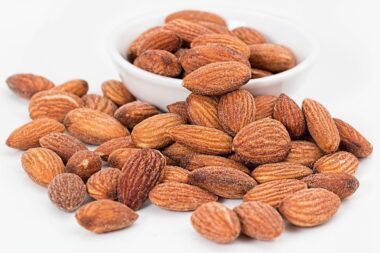
Nutrition is a crucial factor beyond merely counting carbs in a vegetarian or vegan low-carb lifestyle. A well-rounded diet requires attention to vitamin and mineral intake to avoid deficiencies commonly associated with plant-based diets. To prevent such issues, including a wide range of leafy greens can be beneficial, as these are low in carbs while high in vitamins A, C, and K. Iron can be sourced from unprocessed seeds or greens, while vitamin B12 should be taken as a supplement, especially for vegans. Additionally, staying hydrated can help manage hunger and improve metabolic functions, so keep water readily accessible. Omega-3 and omega-6 fatty acids are also essential; consider adding flaxseeds or chia seeds to your meals. Regularly consuming nuts can offer healthy fat sources that align with your dietary goals while providing further essential nutrients. Regular check-ins with health care providers may help track nutritional status, as blood tests can reveal potential deficiencies not easily noticed through dietary observation alone, helping you maintain a balanced approach.
Social situations may seem challenging, especially when dining out or attending gatherings while following a vegetarian or vegan low-carb lifestyle. It’s crucial to plan ahead and get familiar with restaurant menus that accommodate your dietary choices. Many establishments now offer low-carb options or can modify dishes upon request. When attending social events, it can be helpful to bring your own dish that aligns with your dietary requirements, ensuring you have a fallback plan. Communicating with friends or organizers about your dietary restrictions can also lead to more inclusive meal planning. Snack choices play a pivotal role when socializing or traveling, and preparing low-carb, portable snacks such as veggie sticks, nut mixtures, or cheese options will cater to cravings effectively. While enjoying social interactions, it’s essential to find a careful balance between dietary integrity and social enjoyment, allowing you to embrace this lifestyle fully and continually engage with others without feeling overly restricted. By doing so, you create an atmosphere of acceptance around your choices while enjoying culinary delights.
Maintaining a Balanced Low-Carb Perspective
Ultimately, maintaining a balanced perspective when following a vegetarian or vegan low-carb lifestyle is paramount to long-term adherence. It’s essential to remain flexible in your choices, allowing for occasional deviations if needed while still focusing on your overall health. Finding joy within your meals can sustain your motivation to continue. Exploring new vegetarian or vegan low-carb recipes can keep your culinary experience engaging; think about participating in cooking classes or online forums that bring inspiration to your kitchen. Embrace the challenges associated with this lifestyle as learning opportunities rather than constraints, helping to cultivate resilience and adaptability. It’s also vital to connect with like-minded individuals who can support you in navigating potential struggles within this journey, as sharing experiences can motivate and facilitate knowledge acquisition. Don’t forget to celebrate your achievements along the way, whether they be small or substantial. Maintaining a positive mindset while visualizing your overall goals can help in fostering a fulfilling vegetarian or vegan low-carb lifestyle.
In conclusion, pursuing a vegetarian or vegan low-carb lifestyle is indeed possible through thoughtful planning and awareness about nutrition. It enables individuals to benefit from the advantages associated with low-carb eating while exploring exciting plant-based cuisine. Understanding essential nutrient sources, being prepared for social engagements, and maintaining a flexible approach will further ensure the success of this unique dietary journey. Positive transformations await those who embrace this path, as the blend of vegetarian or vegan choices with low-carb eating can yield satisfying and fulfilling results. Let your creativity shine through in food selections and preparations, constructing meals that not only nourish the body but also excite the palate. The combination of innovative plant-based ingredients and mindful carbohydrate choices positions you to sustain energy levels while enjoying diverse flavors and textures. Navigating this dietary realm might seem daunting at first, but with resourcefulness and knowledge, it becomes manageable to embrace with enthusiasm. By embarking on this journey, you can align your eating habits with your values while prioritizing your nutritional goals, creating a unique and healthy lifestyle.