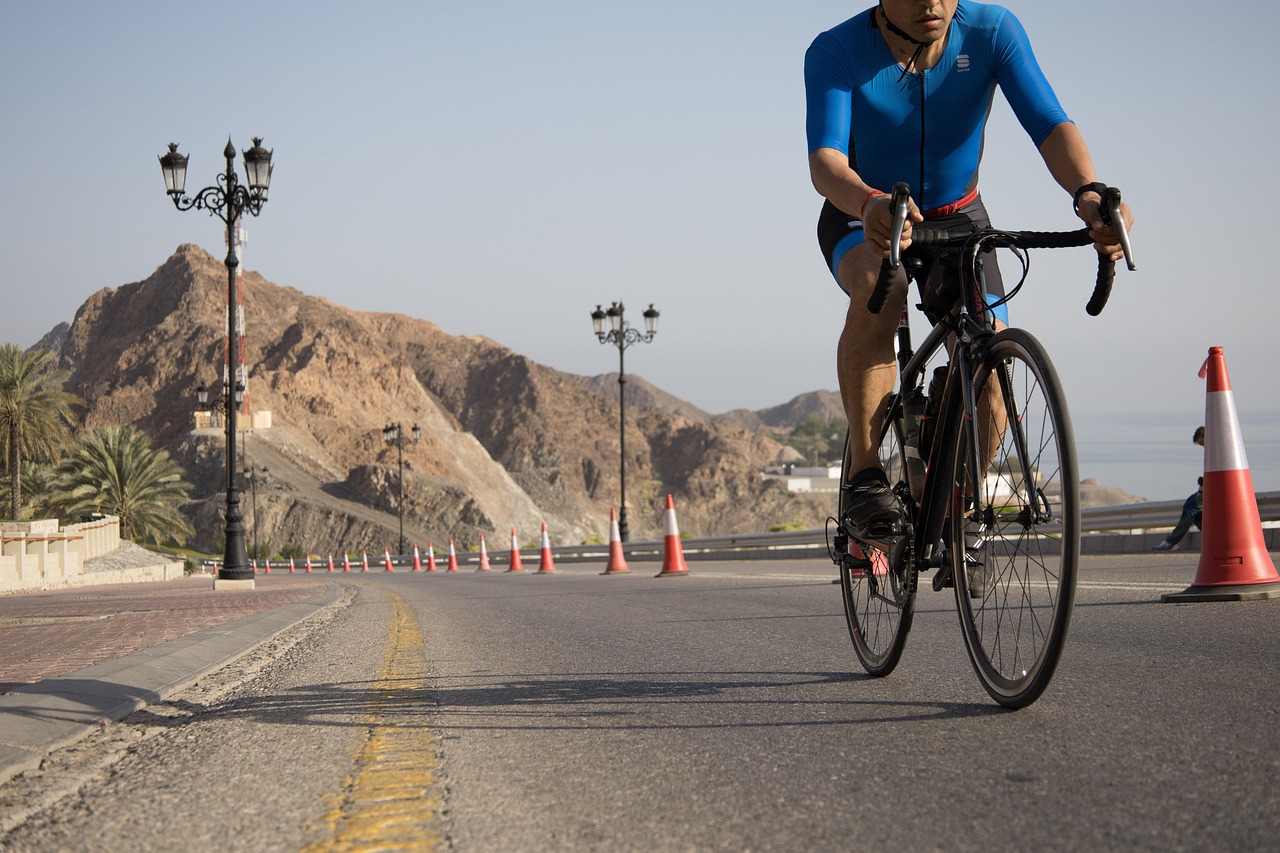

Traveling with Your Bike: Tips for Older Cyclists
Traveling with your bike offers incredible opportunities for adventure and exploration. However, for older cyclists, there are special considerations to ensure a safe and enjoyable experience. A substantial first step is to plan your route in advance, recognizing terrains that suit your stamina and abilities. Considerations include elevation gains, road conditions, and traffic patterns. Another crucial aspect is equipment selection, ensuring your bike is well-maintained with comfortable components. Features such as ergonomic handlebars, a comfortable seat, and easy-to-use gears can significantly enhance your ride quality. Additionally, packing wisely is essential. Bring along waterproof gear, a first aid kit, hydration supplies, and healthy snacks to keep energy levels up. Knowing your limits is also paramount; it’s better to take breaks than to push through exhaustion. Lastly, familiarize yourself with emergency protocols and local cycling laws where you plan to travel. Being prepared greatly enhances safety and enjoyment while cycling. Planning extends beyond routes or equipment; knowledge and preparation are essential in making your experience fulfilling as an older cyclist on the go.
Choosing the Right Bike for Travel
Selecting the perfect bike for travel involves considering various factors tailored to older cyclists. Comfort should be your priority, so a touring or hybrid bike with a relaxed geometry is often ideal. Additionally, the seat must provide adequate support and cushioning to accommodate longer rides. Test ride different bikes to determine which model feels right, prioritizing stability and ease of handling. You might also want to invest in features such as a high handlebar to ease back strain while riding. If you plan to cycle on varied terrain, consider selecting a bike with wider tires that can navigate off-road paths safely. Furthermore, adjustable components can ensure the bike fits your body perfectly, promoting optimal form and reducing fatigue. Accessories like panniers for carrying gear, and safety lights or reflectors for visibility are invaluable. Don’t forget to integrate a good quality bike lock for securing your bike during stops. Ensuring your bike complements your travel style will significantly enhance the experience while catering to your needs as an older adult. Remember, the right bike can make all the difference.
Your comfort and safety are paramount when transporting your bike. Invest in a good-quality bike rack designed for your vehicle, ensuring it is compatible with the model you possess. Consider using a hitch-mounted rack, as it typically allows easier access to your trunk and involves less heavy lifting. Additionally, always secure your bike using bungee cords or straps to prevent movement during transit. Prior to the journey, double-check your bike is clean and dry. This step prevents rust and other potential damaging effects from road debris or moisture. It is also wise to carry basic maintenance tools to address any unexpected mechanical issues during your travels. Pack items like a tire pump, spare tubes, and any specific tools required for your setup. Bringing a bike cover can prevent exposure to harsh weather elements during trips. Furthermore, ensure that you are familiar with the rules of cycling in the areas you will visit. Different places may have distinct cycling laws. Ultimately, organizing your bike transport effectively sets the stage for a positive cycling journey.
Planning Your Cycling Route
Creating an efficient cycling route is pivotal for enjoying your journey while maintaining safety and comfort. Research local cycling trails and paths beforehand, analyzing difficulty levels and accessibility. Utilizing resources such as cycling apps can help, where you can find detailed routes tailored specifically for cyclists. Pay attention to elevation changes; flat terrains are generally more comfortable for longer rides and suit older cyclists. When mapping out your route, scout for resting spots or designated areas for breaks. This consideration ensures you have ample opportunities to hydrate and recharge as necessary. Additionally, consider traveling during off-peak hours to lessen exposure to heavy traffic, which can complicate your ride experience. Bringing a GPS device along can be quite helpful for navigation. Should you take an unplanned detour, having access to updated maps can provide peace of mind. Online communities and forums often provide insight into recommended routes or hidden gems worth exploring. Knowing the areas you’ll be cycling in can enhance your adventure, making it safer and more enjoyable.
Staying healthy while cycling should include focusing on nutrition and hydration. Properly fueling your body ahead of rides is crucial. Prior to departure, consume light meals that take energy levels into account. Granola bars, fruits, or yogurt can provide essential energy. During rides, take regular breaks to hydrate, keeping water and energy gels handy for restoration. Knowing personal hydration requirements can significantly aid stamina. Listen to your body and adjust your intake accordingly. If cycling in warmer climates, increase fluid intake to avoid dehydration. Additionally, consider incorporating foods rich in electrolytes, like bananas or electrolyte drinks, to replenish necessary nutrients lost while cycling. Post-ride nutrition is also critical; recognize the importance of recovery meals that incorporate proteins and carbohydrates for effective muscle recovery. Planning meals that involve lean meats and whole grains can improve your overall health while cycling. Furthermore, consider including stretching sessions post-ride to promote flexibility and prevent injuries. Staying active, along with being conscious about nutrition, leads to enhanced performance on your bike, especially while traveling.
Social Aspects of Cycling for Older Adults
Engaging with the cycling community can enrich your travel experience. Look for local cycling clubs or groups catering specifically to older adults, bringing together camaraderie and shared motivation. These communities can lead to opportunities for group rides, often providing a more enjoyable atmosphere. Riding with others can also enhance safety, especially on busy roads. Social rides typically include regular stops, which allow for recovery and social interaction along the way. Additionally, these clubs often share valuable information pertaining to reliable routes or upcoming cycling events tailored for older adults. Participating in group events can foster friendships and relationships centered around a shared passion. Consider joining a regional cycling tour designed for older adults, which typically offers curated experiences across scenic locations. E-bikes can also broaden engagement, allowing varied fitness levels to ride together comfortably. Ultimately, forming connections within the cycling community can enhance not only your cycling skills but also your entire travel experience. Meaningful interactions can cultivate rich memories during each cycling journey, underscoring the joys of cycling as an older adult.
As with any activity, safety should always be a primary concern when cycling. Always wear a properly fitting helmet to minimize the risk of head injury. Additionally, dress in bright, visible clothing to enhance visibility on the road, especially in low-light conditions. Consider equipping your bike with reflectors and safety lights, ensuring you are seen by vehicles and pedestrians alike. Prioritize signaling when making turns or changing lanes, allowing others to anticipate your movements. Before every ride, conduct a pre-check of your bike to ensure brakes, tires, and gears are in optimal working order. If cycling in unfamiliar areas, familiarize yourself with the surroundings, focusing on identifying safe routes and emergency services should the need arise. Learning basic first aid can also help in case of accidents or injuries. Moreover, adapting to changing weather conditions is crucial for staying safe and comfortable while cycling. Being aware of fluctuating temperatures, humidity levels, or potential storms enhances preparedness. Safety is a comprehensive consideration that greatly affects the overall cycling experience.
Concluding your journey with a review of your experiences is beneficial, not just for closure but for future planning. Reflect on which routes you enjoyed, amenities you appreciated, and any challenges you encountered. This reflection assists in making informed decisions for future travels. Additionally, share your journey with friends or fellow cyclists, fostering connections and imparting valuable insights to fellow cycling enthusiasts. Document your adventures through photographs or a travel blog; preserving memories can inspire you and others to explore further. Furthermore, stay updated with cycling advancements or trends that could benefit your next trip. This information encourages continuous learning and improvement in your cycling capabilities. Always keep an open mindset towards trying new routes or destinations, ensuring the cycling experience remains vibrant and adventurous. Maintaining a record of your cycling journeys can help map achievements and personal growth. Engaging in post-trip analysis fosters growth, enhances preparation for future trips, and allows you to connect with others who share a love for cycling. Ultimately, every journey represents a learning opportunity, contributing to more fulfilling cycling adventures.