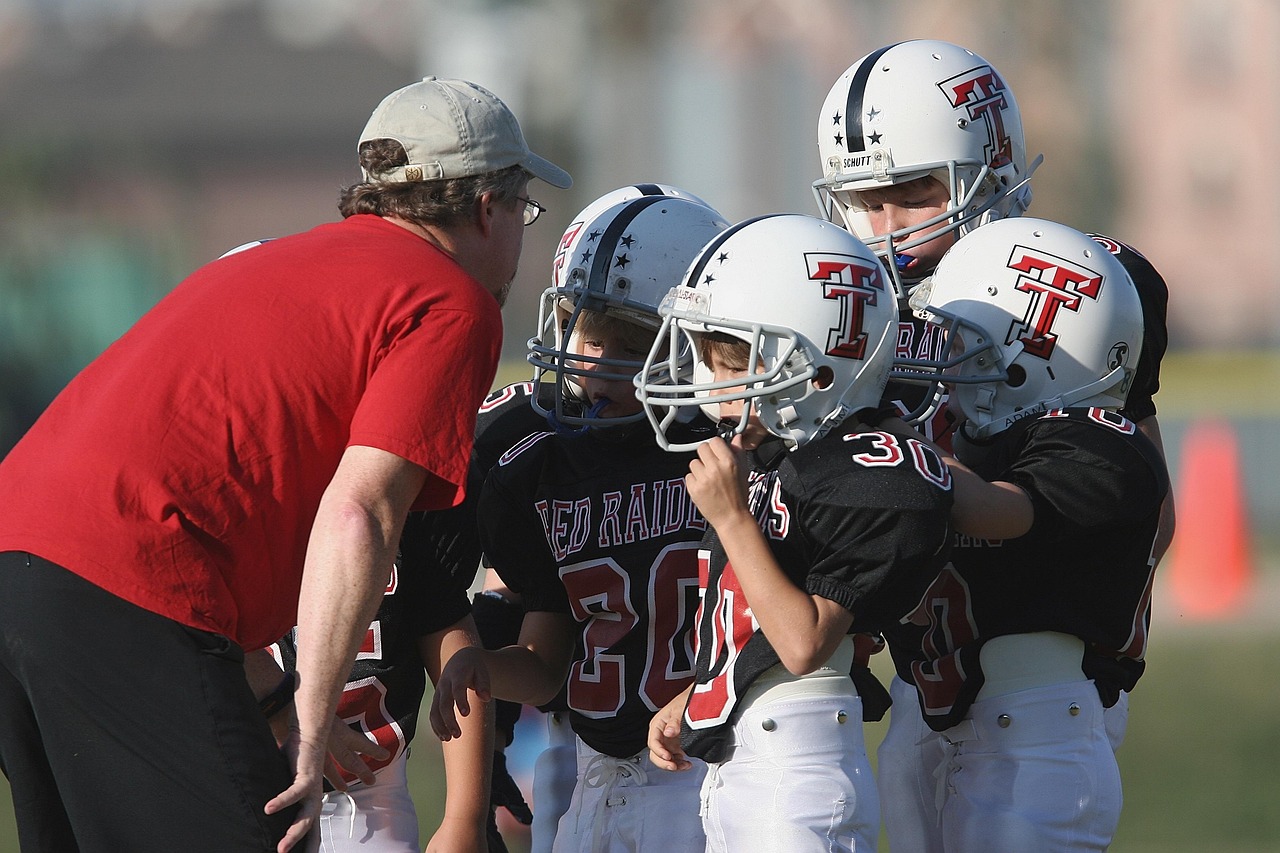

Safety Protocols Every Youth Coach Should Implement
Ensuring the safety of young athletes is a crucial responsibility for coaches in youth sports. By implementing effective safety protocols, coaches can protect children from injuries and create a supportive environment that promotes athletic growth. To get started, every coach should be familiar with the basic safety guidelines. Firstly, they must assess the physical capabilities and skill levels of all athletes. This ensures that each child is participating in suitable activities. Establishing clear communication with athletes about any discomfort or injury is equally important. Additionally, coaches should monitor environmental conditions closely. This includes checking for weather conditions before practices and games. Injuries can often be prevented with proper preparedness, including having first-aid kits readily available and knowing emergency procedures. Coaches should also ensure that athletes wear appropriate gear, such as helmets and pads in contact sports. Teaching athletes about hydration is vital. Regular breaks, especially in hot conditions, can prevent heat-related illnesses. Coaches should regularly evaluate safety protocols and adjust as needed, creating a culture of prioritizing health among young athletes in their programs. Lastly, continual education on safety practices can significantly enhance overall safety in coaching.
Another important aspect of youth athlete safety is injury prevention education. Coaches are responsible for educating young athletes about common injuries and how to prevent them. Starting with warm-ups and cool-downs, these routines play a vital role in minimizing injury risks. Coaches should teach athletes the importance of warming up their muscles before engaging in any physical activity. Stretching can enhance flexibility and reduce the chance of muscle strains during sports. Coaches may use fun activities that incorporate appropriate warm-ups to engage athletes in these essential practices. Similarly, they need to promote cool-down exercises post-activity. This promotes muscle recovery and helps to alleviate soreness. Furthermore, coaches should advocate for a gradual increase in physical intensity. Sudden increases in workout intensity or duration can lead to overuse injuries. Athletes should be taught how to listen to their bodies. When children experience pain during activities, they should be encouraged to inform their coach and not push through discomfort. By creating an environment that encourages open communication about injuries, coaches can foster responsible athletes. Importantly, coaches should also inform young athletes about the significance of reporting concussions immediately, which are critical for long-term health.
Emergency Procedures and Response
A comprehensive safety strategy involves not only preventive measures but also effective emergency response protocols. Every youth sports coach should have a clear plan for emergencies, as timely responses during incidents can save lives. Coaches should create a first-aid training schedule for themselves and encourage assistants to obtain certification. In addition, they must familiarize themselves with the locations of hospitals and emergency medical services nearby. Coaches should ensure that all athletes have emergency contact information accessible during practices and games. Conducting regular drills empowers coaches and athletes alike to remain calm and organized in a crisis. Another essential aspect is communication. Coaches need to convey emergency procedures clearly to athletes and parents. Ensuring that parents are aware of potential risks and protocols supports a safer culture around youth sports. It may also help to establish a safety committee that includes coaches, parents, and medical professionals who regularly review and improve safety practices. Keeping records of all incidents, injuries, and safety measures taken is beneficial as it allows for comprehensive assessments of team safety protocols. Regular assessments can lead to improvements in training procedures and athlete education, reinforcing a culture of safety.
Wholesome nutrition plays a significant role in the safety and well-being of young athletes in sports. Youth coaches should foster an awareness of nutritional guidelines and healthy eating habits among their athletes. Understanding the link between nutrition and performance enhances athletes’ capacity to perform effectively in competitions. Coaches might consider organizing informational workshops with nutritionists that focus on balanced diets and hydration. This can help athletes understand the importance of consuming adequate fruits, vegetables, and proteins. Coaches should also emphasize the need for proper hydration before, during, and after activities to prevent heat exhaustion. Furthermore, monitoring athletes post-practice for signs of fatigue or dehydration is important; coaches should encourage breaks. Additionally, educating young athletes about reading nutrition labels can empower them to make healthier decisions independently. Simple strategies, like bringing healthy snacks to games or practices, can help athletes maintain energy. Engaging parents in discussions about family meals and proper feeding practices can further align support for this initiative. Encouraging responsible eating behaviors sets a foundation for lifelong healthy habits and enhances overall safety and performance in youth sports, creating empowered young athletes ready for the challenge.
Regular Equipment Inspection
Equipment safety is an essential component of youth athletics that coaches should prioritize diligently. Coaches must regularly inspect all sports equipment for wear and tear and address any issues before allowing athletes to use it. Conducting thorough checks on helmets, pads, and footwear can significantly reduce the risk of injuries. Ensuring that equipment meets safety standards and fits correctly is vital in creating a safe environment for athletes. In youth sports, mismatched or improperly sized equipment can lead to injuries due to insufficient protection. Coaches should also establish a maintenance schedule. Regular inspections help detect potential problems early, and worn-out equipment should be promptly replaced. Additionally, coaches should educate athletes about the significance of caring for their equipment, emphasizing its proper use and handling. Involving parents in this process can further enhance accountability; they can assist with equipment maintenance at home. Employing checklists during inspections helps coaches keep track of condition and maintenance history. Furthermore, innovative discussions about the latest safety equipment advancements can lead to informed choices about upgrades. Ensuring athletes have access to safe, well-maintained equipment directly contributes to improving their physical safety during practice and games.
Coaches should emphasize mental well-being as part of overall youth safety protocols. Mental health directly impacts athletes’ performance and attitude, which eventually influences their safety on the field. Stress, anxiety, and performance pressure can lead to dangerous situations, while supporting mental health can enhance athletes’ focus and resilience. Coaching staff should foster open discussions where athletes feel safe expressing their feelings. Incorporating mindfulness techniques and stress-reduction strategies into training can reduce anxiety levels. Regular check-ins during practices allow coaches to monitor athletes’ mental states. Encouraging athletes to take breaks when needed, especially during high-stress situations or competitions, promotes healthy coping mechanisms. Furthermore, coaching athletes in setting realistic goals creates an emotionally nurturing environment; this can minimize excessive pressure. Coaches may consider providing resources such as access to counselors or sports psychologists who specialize in youth athletics. By prioritizing mental health, coaches foster a culture where young athletes can thrive holistically. Educating parents about recognizing signs of mental distress can strengthen familial support systems and offer athletes reassurance. Coaches who prioritize well-being help create a thriving athletic community, ensuring that young athletes feel safe, supported, and valued.
Conclusion
In conclusion, implementing comprehensive safety protocols is vital for youth coaches aiming to promote an environment conducive to athletic development. Coaches must prioritize injury prevention, effective emergency procedures, nutrition education, regular equipment inspections, and mental well-being. Each of these elements contributes to creating a secure supportive atmosphere worthy of young athletes’ participation. By fostering clear communication while establishing consistent practices, coaches encourage athletes to prioritize their health and safety. Regular training and educational workshops for both coaches and parents can create awareness about essential safety protocols. Moreover, empowering young athletes with knowledge around these protocols cultivates responsible sporting behavior. Collectively, these efforts will play a pivotal role in minimizing injuries and ensuring that sports remain a fun and fulfilling experience. Creating a culture focused on safety promotes long-term athletic participation and development. Enthusiastic young athletes trained under diligent coaching can reach their potential physically and mentally. Ultimately, promoting safety within youth sports not only enhances individual experiences but also strengthens the overall integrity of youth athletics, equipping children with the skills they need for success.