
Addressing Anxiety Co-occurring with Depression Through Exercise
Depression and anxiety are intertwined conditions that significantly affect individuals’ well-being. Research indicates that physical activity can play a transformative role in managing these mental health issues. Engaging in regular exercise stimulates the production of neurotransmitters like serotonin and dopamine, which help alleviate symptoms of both anxiety and depression. Structured exercise routines can offer structure, distract from negative thought patterns, and provide a sense of achievement. Additionally, social interactions during group workouts foster support systems that amplify mental health benefits. The National Institute of Mental Health supports the integration of physical conditioning approaches such as cardio, strength training, and flexibility work into treatment plans. This holistic approach can reduce the severity of depressive symptoms, making exercise a complementary treatment. Individuals should consult their healthcare providers before initiating new fitness programs to ensure safety and appropriateness. Small, achievable goals can motivate continuous participation in physical activity. Ultimately, fostering an active lifestyle is a proactive strategy toward better mental health management and enhanced quality of life. Finding joy in movement and embracing a fitness regimen can greatly bolster one’s overall emotional resilience and psychological health.
Incorporating exercise into daily routines enhances adherence to mental health care strategies. Setting clear, manageable exercise goals encourages individuals to remain committed and engaged. Creating a personalized exercise plan can greatly influence the sustainability of physical activity habits, allowing for gradual progression tailored to individual capabilities. Options such as brisk walking, jogging, yoga, or cycling provide varied experiences to maintain interest and excitement. The key is to choose activities that resonate personally, making it easier to stay motivated over the long term. Community classes and local fitness groups can foster a sense of belonging, combatting feelings of isolation often associated with depression and anxiety. Peer support enhances accountability and encourages participants to prioritize self-care. Research shows that continued engagement in physical exercise correlates to reduced anxiety levels and improved mood. As individuals progress, they often experience a boost in self-confidence and self-esteem. Regular check-ins regarding feelings before and after workouts also help measure emotional shifts. By acknowledging both successes and challenges, individuals can adjust their approaches to better meet their mental health needs moving forward while actively participating in their treatment plans.
Physical Benefits of Exercise for Mental Wellness
Beyond emotional relief, exercise presents a plethora of physical benefits for individuals coping with anxiety and depression. Engaging in physical activity strengthens the cardiovascular system, enhances respiratory function, and contributes to better sleep quality. Sleep disturbances are common among individuals experiencing anxiety or depression; physical exercise can mitigate these issues by promoting a healthier sleep cycle. Furthermore, regular activity helps in weight management, which can be an essential component of overall mental health, as body image concerns often exacerbate psychological distress. Improved physical health also fuels an increase in energy levels, creating a virtuous cycle of sustained activity. Exercise elicits the release of endorphins, often known as “feel-good” hormones, which helps elevate mood. Even light to moderate activity, such as walking or casual yoga, provides significant benefits, making it accessible to many individuals facing barriers related to health or motivation. Simple routines that focus on breathing and stretching can also foster mindfulness and relaxation. Incorporating physical fitness into daily lives ensures that individuals develop a comprehensive understanding of the interplay between physical and mental well-being through sustained engagement.
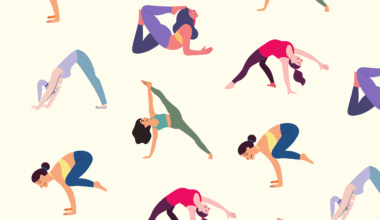
Exercise’s role in enhancing self-regulation abilities is essential for those managing anxiety and depression. Regular physical activity fosters discipline and structure, vital elements in a wellness strategy aimed at combating mental health challenges. This structure assists individuals in developing greater emotional control, thereby reducing the likelihood of overwhelming feelings during challenging situations. Implementing mindfulness practices like yoga or tai chi during workouts enhances the psychological benefits of exercise, as these practices promote relaxation and awareness of the present moment. Each session of mindful activity encourages deep breathing, allowing participants to observe body sensations and thoughts without judgment. As individuals gain competence in managing emotional responses during exercise, this skill often translates to other areas of life, improving overall coping mechanisms. Research highlights that individuals who regularly practice mindfulness experience reduced symptoms of anxiety and depression. Therefore, integrating these methods into fitness routines may provide a multi-faceted approach to mental health care. Many fitness centers offer group classes focusing on both physical movement and mental relaxation, highlighting community engagement as a critical aspect of overall health improvement. This cohesion fosters emotional resilience among participants and sustains motivation for ongoing engagement.
Creating an Exercise Plan: Tips and Techniques
Designing an effective exercise plan is essential for individuals seeking to manage their anxiety and depression. It is vital to consider personal preferences when developing a routine; enjoyment plays an integral part in sustainability. Starting slowly with achievable milestones increases the likelihood of making exercise a consistent part of daily life. Here are some tips to create an exercise plan that aligns with mental health goals: First, identify activities you enjoy, whether it’s swimming, dancing, or hiking. Second, determine a convenient time of day that fits your lifestyle, ensuring the integration of movement into daily routines. Third, schedule workouts as appointments to reinforce commitment. Experiment with various formats like structured classes or solo workouts to find the best fit. Establish daily goals, keeping in mind the importance of both performance and emotional states. As you reach these goals, reflect on your progress. Acknowledge even small accomplishments as they contribute to emotional resilience. Consistency is key. Celebrate these achievements while giving yourself grace during obstacles so that the practice remains enjoyable and beneficial rather than overwhelming or burdensome throughout your journey toward wellness.
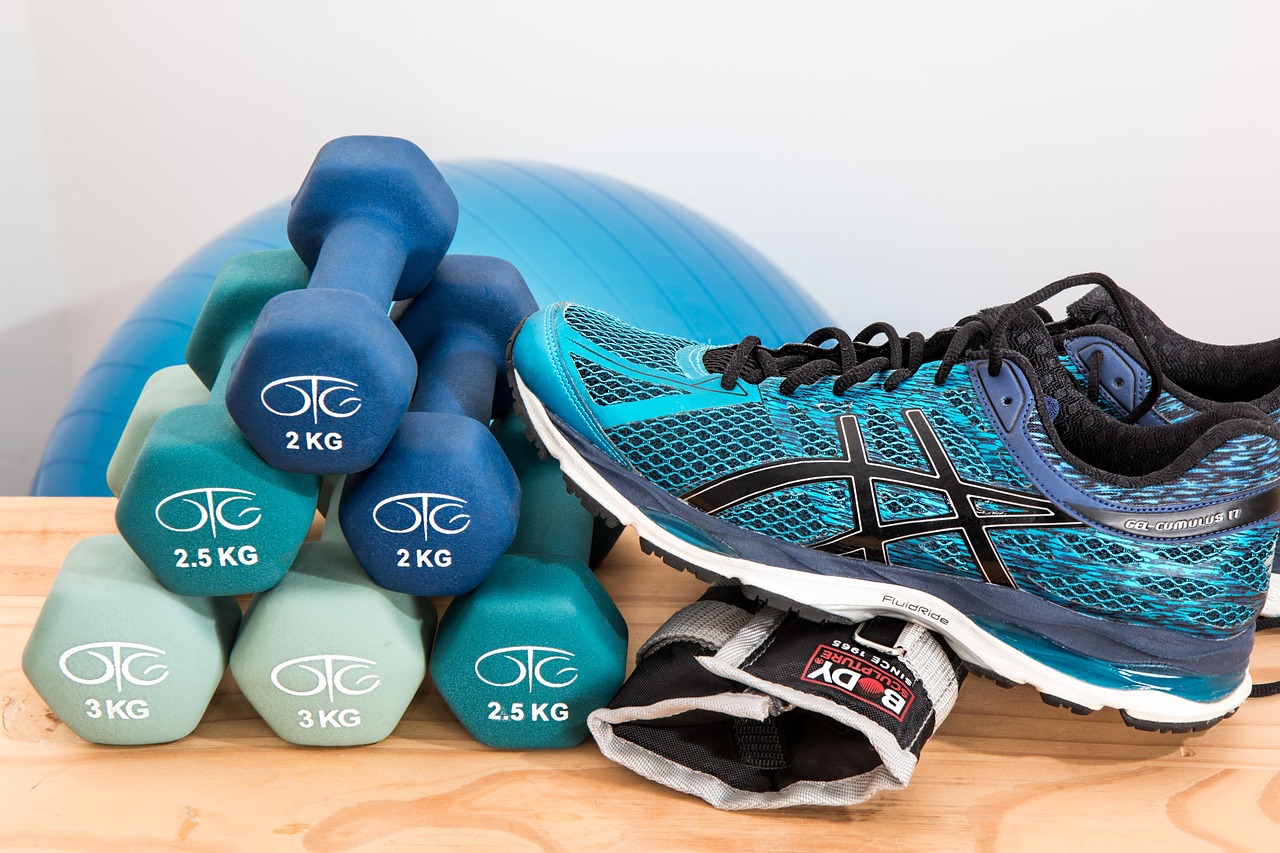
Combining different types of exercises enhances overall mental health benefits. A well-rounded regimen comprising cardiovascular, strength training, and flexibility exercises has been shown to yield optimal results for individuals facing anxiety and depression. Cardiovascular exercises, such as running, cycling, or swimming, elevate heart rates and foster a flow of oxygen-rich blood to the brain, stimulating mental clarity and mood elevation. Resistance training or weightlifting can also be beneficial as it strengthens the body, boosts body confidence, and can further mitigate feelings of anxiety. Moreover, integrating flexibility exercises like stretching or yoga not only improves physical health but promotes mindfulness and body awareness while releasing stored tension. This combination encourages an increased sense of achievement when participating in workouts. Researchers assert that maintaining a varied program enhances adherence rates, as individuals often find more enjoyment and satisfaction from diverse activities. Staying engaged through curiosity and variety ultimately keeps the motivation levels high, leading to long-term success in both emotional and physical health maintenance. Incorporating a blend of exercises allows individuals to explore wider aspects of fitness and ultimately enriches their wellness journey.
Social Engagement Through Exercise
Social connection plays a crucial role in combating anxiety and depression, and exercise provides myriad opportunities for individuals to foster relationships. Participating in group workouts or community fitness events offers social support, which can be instrumental in the healing process. Sharing experiences, struggles, and successes in fitness environments creates a sense of togetherness, significantly reducing feelings of isolation faced by individuals with mental health challenges. Group classes, local charity runs, or wellness workshops facilitate this connection, encouraging participants to support each other. Moreover, forming exercise partnerships can create accountability and motivation to exercise regularly. Encouragement from friends or peers often amplifies commitment, pushing individuals to strive harder even when their mental state may try to deter them. Additionally, social media platforms allow individuals to share their fitness journeys, fostering connections with others who face similar challenges. This shared vulnerability helps dismantle stigma, empowering individuals to seek help and be open about their mental health. Engaging socially while exercising transforms the experience into one that is not solely focused on physical activity but also builds lasting relationships and networks of support, ultimately bolstering collective mental wellness.
In conclusion, addressing anxiety co-occurring with depression through exercise is an effective and holistic approach. Exercise can lift mood, enhance overall living standards, and foster emotional resilience. The integration of movement in treatment plans is vital, as evidence supports the correlation between physical fitness and mental health improvements. Individuals are empowered to take charge of their mental wellness through routine exercise while developing discipline and coping mechanisms. Emphasizing enjoyment and variety in exercises remains crucial for sustained engagement. Small successes should be celebrated, reinforcing commitment to consistent activity. Further, the importance of social connections can not be understated, with individuals benefiting from shared experiences. Building a community around fitness cultivates support systems, leading to better adherence to exercise routines. By participating in workouts, individuals not only enhance their physical health but also find joy, connection, and a sense of accomplishment. Ultimately, a well-rounded approach to managing mental health must include exercise, as it enhances the efficacy of therapeutic interventions. Through dedication to fostering an active lifestyle, individuals can substantially improve their mental well-being and overall life satisfaction across various contexts.