
Monitoring Athlete’s Workload with Wearable Devices
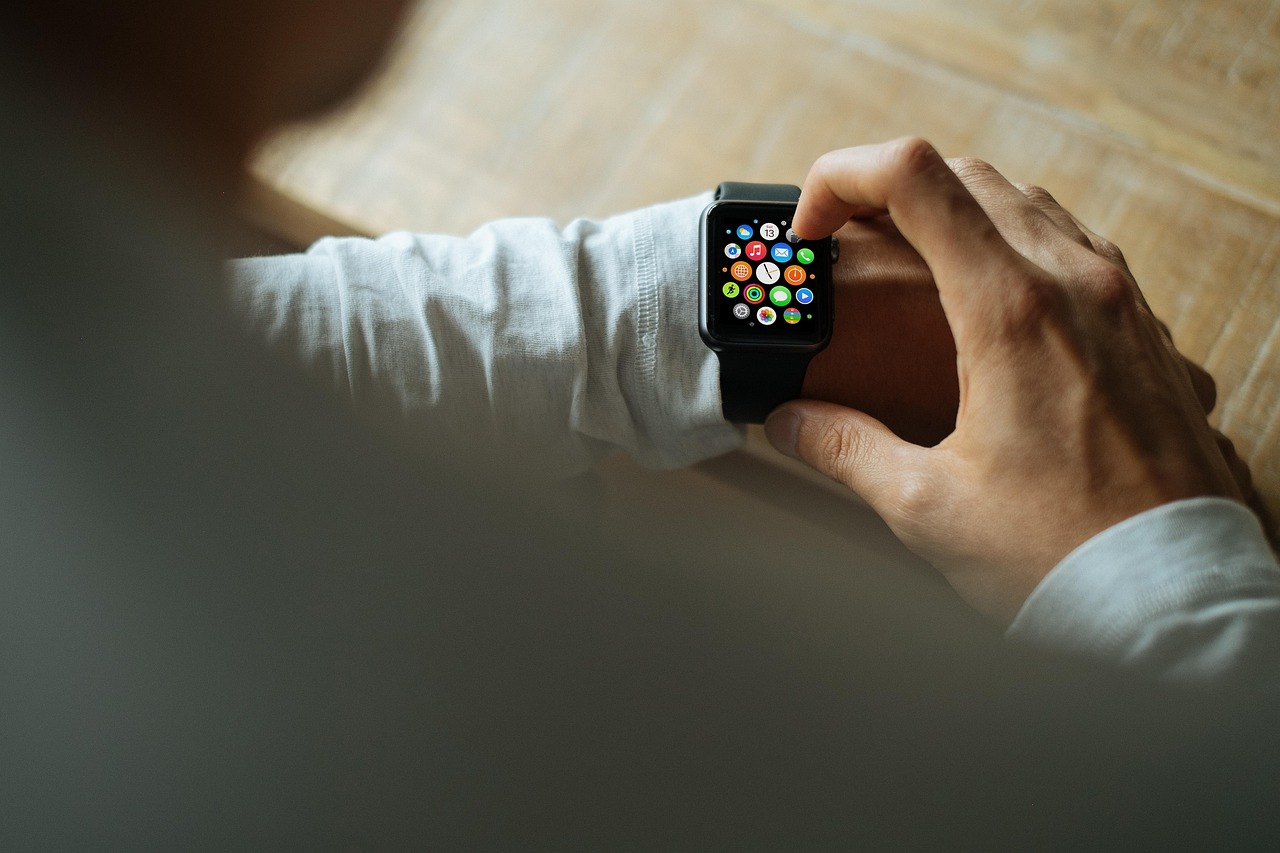
In the realm of sports performance, monitoring an athlete’s workload is pivotal in preventing injuries. As athletes push their limits, understanding their physical demands becomes crucial. Wearable devices have emerged as transformative tools in tracking and analyzing workloads in real-time. These devices continuously gather data on various metrics such as heart rate, stride frequency, and overall movement dynamics. By accumulating vast amounts of information, these wearables provide athletes and coaches with actionable insights. Specifically, they enable coaches to enhance training regimens tailored to individual needs. Furthermore, monitoring fatigue levels helps in adjusting workout intensity. Fatigue is a primary contributor to injuries; increased fatigue may elevate the likelihood of mishaps. This is particularly pertinent during high-intensity training periods or competition. Coaches can design optimal recovery programs based on accurate data derived from wearables, thus mitigating injury risks. In addition, athletes can self-monitor their performance to ensure they are not overtraining. The synergy between technology and training allows athletes to perform optimally while ensuring their well-being. Hence, understanding how to effectively utilize these devices is essential for teams aiming for success.
The Types of Wearable Devices Used in Sports
Various types of wearable devices are employed in sports for monitoring workload effectively. These devices range from simple fitness trackers to advanced physiological monitors, each possessing unique functionalities. Commonly utilized devices include heart rate monitors, GPS trackers, and activity monitors. Heart rate monitors track an athlete’s cardiovascular responses during training. By analyzing heart rate data, coaches can gauge an athlete’s exertion levels. GPS trackers provide location-based metrics, enabling an understanding of distance covered and speed during specific sessions. This data is vital for endurance athletes who need to maintain their pace effectively. Activity monitors offer insights into overall daily activity levels, which informs recovery strategies. Apart from these, some athletes opt for smart clothing embedded with sensors that measure muscle activity and biomechanics. These next-gen wearables enhance the depth of analysis significantly. Moreover, the integration of artificial intelligence augments data interpretation, predicting potential injury risks more accurately. Choosing the right device involves considering the specific sport and the athlete’s requirements, ensuring tailored monitoring approaches. This conscious selection process is integral to achieving peak performance.
With the exponential growth in wearable technology, data analytics plays a vital role in processing information gathered from these devices. The data collected is immense and multifaceted, necessitating sophisticated analysis to derive meaningful insights. Coaches and trainers must understand how to interpret this data effectively. Utilizing analytical software helps visualize trends and highlight key performance indicators. These insights allow teams to identify individual athlete progress and workload capacity. As athletes train, their bodies adapt; however, monitoring this adaptation is essential to maximize performance while minimizing risks. Key metrics to assess backlash from training include training load and acute-chronic workload ratio. Analyzing this data aids in creating individualized training plans that align with the athlete’s goals. Coaches can dynamically adjust training loads based on feedback, ensuring athletes are neither overworked nor undertraining. Regular review meetings can be informed by data analytics to develop strategies for improved outcomes. Hence, a collaborative approach between athletes, coaches, and data analysts fortifies the team’s capacity to maintain optimal performance levels. As such, integrating data analytics with wearable devices is paramount to advancing sports performance in a rapidly evolving sports landscape.
Benefits of Real-Time Monitoring
Real-time monitoring through wearable devices grants athletes immediate access to critical physiological data. This capability enhances decision-making during training sessions and competitions. Athletes can adjust their efforts based on immediate feedback, optimizing their performance. For instance, if a track athlete notices a spike in heart rate, they may choose to slow down temporarily, preventing potential fatigue. Additionally, coaches can monitor their athletes from afar, facilitating remote training strategies. This flexibility is particularly beneficial in team sports where coordination and communication are essential. Instant feedback allows for on-the-spot adjustments in training techniques and strategies, fostering continuous improvement. The data also aids in identifying anomalies that may indicate early signs of injuries. Catching these signs early is crucial, as it can prevent a minor issue from becoming a significant injury. Moreover, wearable technology fosters self-awareness among athletes, empowering them to take charge of their training. By understanding their own bodies better, athletes develop more effective training habits. This empowerment not only enhances performance but also encourages responsibility for their health and wellness. Therefore, real-time monitoring transforms training into a more adaptive and evidence-based process.
Adopting wearable technology poses challenges that sports teams must overcome. While the benefits are immense, understanding the potential pitfalls is essential for effective implementation. Firstly, the accuracy of wearables can fluctuate based on environmental factors and how they are used. Calibration is necessary to ensure precise readings. Furthermore, athletes must be educated about how to correctly wear and utilize these devices. Misuse can lead to misleading data, potentially endangering their health. Data management is also a pressing issue. The vast amounts of data generated require structured storage and efficient retrieval mechanisms. Institute data privacy measures to protect sensitive information. In addition, financial considerations arise; investing in high-quality wearable devices can be significant. Therefore, teams must evaluate their budgets accordingly. Staff training is essential to maximize device functions, ensuring all team members can interpret data accurately. Moreover, fostering an open culture around technology use can enhance collaboration. Engaging athletes in understanding their data creates a sense of ownership over their athletic journey. By addressing these challenges, teams can fully leverage wearable technology in promoting injury prevention and enhancing athletic performance.
The Future of Wearable Technology in Sport
The future of wearable technology in sports performance is promising, marked by continual advancement and innovation. As technology evolves, wearables are expected to become more sophisticated, offering deeper insights into athletic performance. Integration of biometric sensors is likely to enhance data accuracy further. Future devices may also incorporate augmented reality features, providing athletes with immersive feedback about their performance. Predictions indicate that advancements in artificial intelligence will enable predictive analytics, forecasting an athlete’s risk of injury based on their workload patterns. Such capabilities could revolutionize injury prevention by providing proactive strategies tailored to individual needs. Furthermore, the rise of personalized coaching through artificial intelligence signifies a shift towards more individualized training experiences. Athletes will receive real-time, personalized feedback that adapts to their unique physiology and performance. Collaboration between tech companies and sports organizations will accelerate this pace of innovation, ensuring that cutting-edge solutions reach athletes effectively. As wearable technology integrates further into training and competition frameworks, the balance between performance enhancement and injury prevention will remain at the forefront. Ultimately, this interplay will redefine how athletes train, compete, and recover, leading to a new era in sports.
The successful implementation of wearable devices in managing athletic workloads also hinges on collaboration among coaches, athletes, and sports scientists. This multidisciplinary approach promotes a thorough understanding of how wearable technology impacts athletic performance. Coaches must work closely with sports scientists to analyze data critically, fostering a culture of continuous development. This collaboration bridges the gap between data analytics and practical experience. Furthermore, athletes must be included in the conversation, ensuring they understand their data and its implications on their training. Empowering athletes through education fosters trust and encourages adherence to training regimens informed by data. Joint workshops between teams can be held to discuss best practices and share success stories, creating a supportive environment. Additionally, leveraging group data can provide teams with a comprehensive view of collective performance trends, enhancing overall strategies. Ensuring equitable access to wearable technologies for all sports teams is essential, promoting inclusivity in performance training. By harnessing the collective expertise within teams, they can optimize the benefits of wearable technology effectively. Consequently, collaboration serves as a cornerstone for successfully increasing athletic performance while minimizing injury risks.
Conclusion: Shaping the Future of Sports
In conclusion, wearable devices represent a significant leap in how athletes monitor and manage their workloads. Their ability to transform data into actionable insights is revolutionizing sports performance and injury prevention. The integration of technology into athletic training is no longer optional; it is fundamental for success. Recognizing the value of these devices is crucial for stakeholders in the sports industry. Coaches, athletes, and sports scientists must embrace the changes brought about by this technology. With ownership over their own data, athletes are empowered to make informed decisions. Hence, they will likely see improved performance and reduced injury occurrences. The future landscape of sports will heavily involve employing technology intelligently and cohesively. As progress continues, teams that utilize this technology effectively will have a competitive edge. They will adapt and evolve according to athletes’ rapidly changing needs and ensure their health remains a priority. As this technology evolves, so will the strategies around training and injury prevention. With all these advancements, wearable devices will undoubtedly shape the new age of sports performance, paving the way for a brighter, injury-free future.