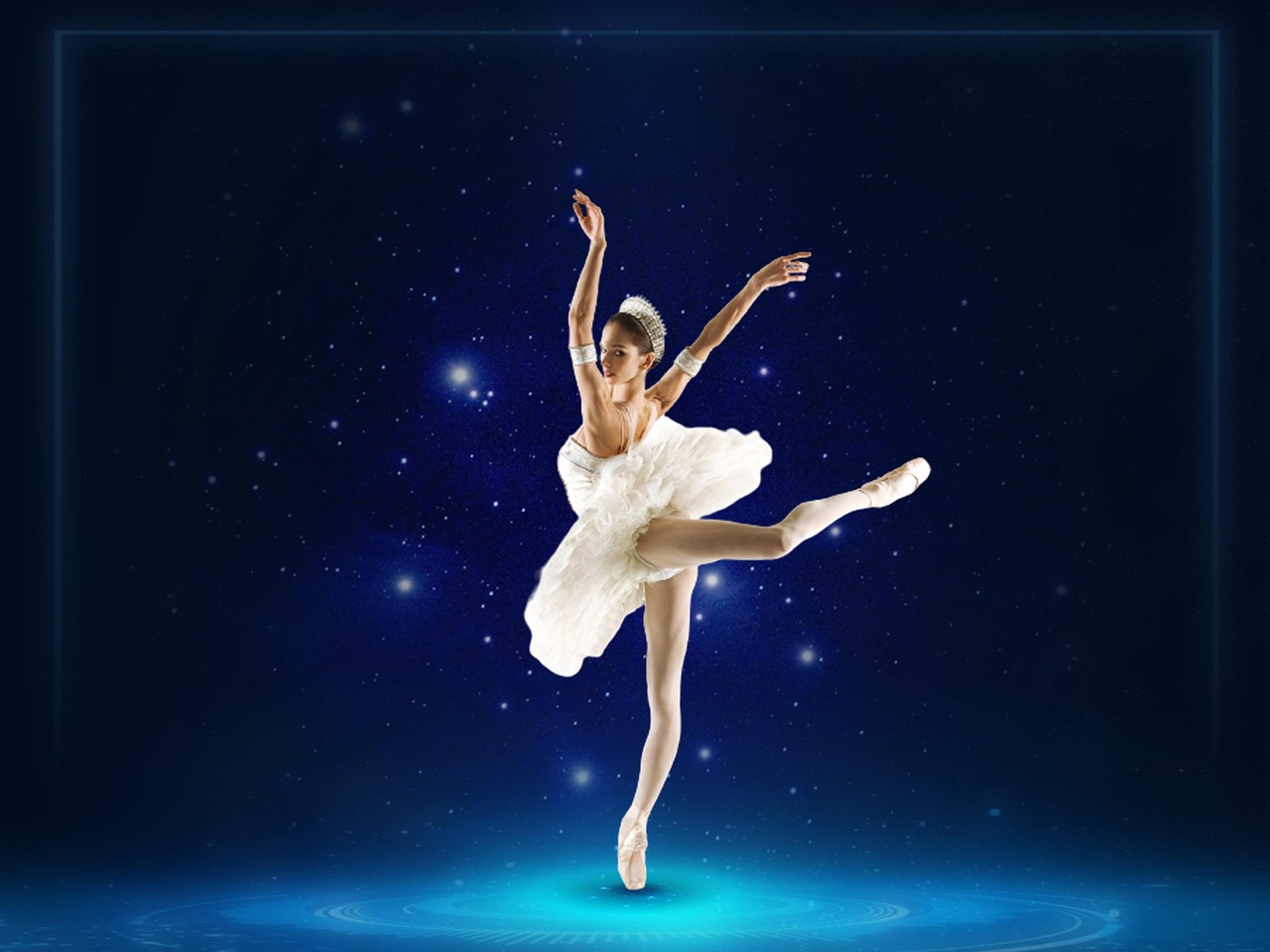

Advanced Techniques to Challenge Your Dance Balance
In the realm of dance, mastering balance and coordination is paramount for performing advanced techniques. As dancers elevate their skills, they often encounter complex movements that demand not only strength but also precise balance. Engaging the core muscles becomes critical for maintaining stability, especially during intricate sequences. Enhancing balance requires persistent practice and a deep understanding of one’s body dynamics. One effective way to improve balance is through targeted exercises that emphasize proprioception. Activities like single-leg stands and balance beam exercises effectively challenge your stability. Incorporating resistance bands during practice helps to stabilize muscles further, allowing for enhanced control and coordination. Additionally, dancers should focus on their alignment, as even the slightest misalignment can throw off balance during a performance. Implementing visual cues, such as spotting, can help dancers maintain awareness and focus throughout movements. As you push through challenging routines, remember that falls and challenges are part of the journey. Embrace them as opportunities for growth and refinement. Keeping a positive mindset will also contribute significantly to improving your balance and coordination in dance, ultimately leading to more compelling performances that captivate audiences.
To complement balance exercises, flexibility plays an essential role in a dancer’s performance. A flexible body is better equipped to perform challenging routines while maintaining composure. Dancers can enhance their flexibility through consistent stretching and mobility exercises. Techniques such as dynamic stretching warm-ups prepare the body for intense movement, while static stretching cool-downs help maintain flexibility. It’s vital to learn the correct form while stretching to prevent injuries and improve effectiveness. Incorporating techniques like yoga can also improve balance and coordination significantly. Poses that require stable footing, such as Tree Pose, bolster the body’s balance systems. Moreover, focusing on breath control in yoga harmonizes movement with stabilization. Dancers should not overlook the importance of strength training; strong muscles support better balance. Exercises focusing on the legs, core, and arms help maintain stability during performance. Cross-training can also be advantageous, as it exposes dancers to other disciplines, enhancing their overall coordination skills. By combining flexibility, strength, and balance exercises, dancers can round out their training for maximum effectiveness, ultimately preparing them for more than just basic steps in their choreography.
Incorporating Balance Drills into Practice
A dancer’s routine must include balance drills tailored to their specific style and skill level. These drills can provide consistent challenges while focusing on maintaining equilibrium. One effective drill involves the use of a balance board, which encourages core engagement and slight adjustments to maintain stability. Often used in physical therapy, it creates an unstable surface introducing unpredictability during the workout. Dancers can also practice balancing on one leg while performing upper body movements, which helps improve coordination. Additionally, plyometric exercises can enhance both strength and balance, enabling quicker responses to situations that require immediate adjustments. A great example is a jump that transitions into a landing on one foot. Practicing how to transfer weight effectively aids dancers in mastering difficult movements. Another beneficial method is partnering or group practice, where dancers can help one another with spot checks and adjustments. By working together, dancers can identify where balance issues arise within routines. Lastly, recording practice sessions can offer insights into performance elements that need improvement, showcasing the importance of self-observation in developing balance and coordination skills.
Progressive overload techniques enable dancers to gradually increase the difficulty of their balance challenges. By introducing minor adjustments, such as closing the eyes, adding weights, or performing on uneven surfaces, dancers can amplify their balance skills. The body adapts to these changes over time, leading to improved stability and coordination. It’s crucial, however, to implement these changes gradually, as hasty adaptations can lead to injuries. Engaging in partner-based exercises also builds balance while fostering trust and communication with fellow dancers. Exercises where partners lean into each other or perform lifts can drastically enhance body awareness and balance. Furthermore, incorporating rhythm exercises—such as adapting to music with varied tempos—helps dancers synchronize balance with movement. This rhythmic awareness is vital for synchronized group performances. Workshops led by experienced teachers offer invaluable insights into advanced balance techniques specific to various dance styles. Observing and learning from others also fosters creativity while exploring new methods to enhance performance. Ultimately, practicing these advanced techniques, integrating newfound skills into routines, and celebrating progress will inspire novice and seasoned dancers alike to elevate their artistry.
The Importance of Mental Focus in Balance
Mental focus plays a significant role in achieving balance and coordination in dance. Developing a strong mind-body connection enhances a dancer’s ability to balance effectively. Visualization techniques can be particularly effective, where dancers mentally rehearse their movements before executing them. This mental preparation often leads to increased confidence and focus, directly impacting performance quality. Mindfulness practices, such as meditation, can also improve concentration levels during practice and performances. Training the mind to stay present helps to reduce anxiety, allowing for smoother execution of complex movements. Moreover, utilizing breathing techniques aids in creating a calm state of mind and supports better balance. Dancers can apply these techniques to their warm-up and cool-down routines, reinforcing a holistic approach to their training. Leveraging mental strategies will help dancers overcome challenges and setbacks they might face. Coaches and instructors should emphasize cognitive aspects in addition to physical training, ensuring that dancers develop well-rounded skills. A strong mental focus integrates seamlessly into every performance, resulting in beautiful displays of artistry and control that captivate audiences.
As dancers progress and challenge their balance skills, injuries may become a concern. Practicing proper techniques can significantly minimize risks associated with choreography. Proper warm-up routines before each practice ensure muscle readiness and reduce stiffness. Moreover, understanding personal limitations is crucial in preventing injuries. Novice dancers must gradually introduce more complex movements while maintaining proper posture and form. Regular assessments of balance can help identify weaknesses, allowing dancers to fortify those areas proactively. In addition, engaging in cross-training sessions encourages holistic fitness, creating a well-balanced dancer prepared for challenges. Exercises that focus on joint stability and core strength can enhance longevity in dance careers. Additionally, consultation with health professionals and physical therapists specializing in dance can provide tailored guidance for injury prevention. The significance of recovery time cannot be overlooked either; allowing the body adequate rest promotes healing and improves overall performance capabilities. By prioritizing safety during practice, dancers can push their limits confidently while ensuring injury-free experiences. This holistic consideration for health and skill affirmation will inspire dancers to refine their abilities throughout their dancing journey.
Creating a Balanced Training Schedule
Creating a balanced training schedule is essential for maximizing improvement in dance balance and coordination. A well-structured plan that incorporates different components, such as strength, flexibility, creativity, and recovery, creates a comprehensive approach to training. It is vital to allocate time specifically for balance drills, ensuring that dancers are committed to improving that key skill consistently. To achieve comprehensive training, include diverse activities such as yoga, pilates, and functional training. This mix assures that all muscle groups remain engaged and can lead to better overall coordination. Additionally, dancers should prioritize days for cross-training, which can boost endurance and resilience. Observe how different choreographies call for distinct balance requirements, so it’s essential to adapt to various styles during practice. Allowing time for self-assessment, reflection, and setting mini-goals also supports progress tracking. Periodically reviewing and adjusting the schedule will keep training aligned with evolving abilities. Commitment to refining balance techniques allows dancers to unleash their full potential, leading to more dynamic and expressive performances. Journeys in dance should be not only about achieving goals but also about enjoyment and self-expression, and balance is a vital part of that equation.
In conclusion, advanced techniques to challenge your dance balance are not only vital for performance but also essential for personal growth and development. As you delve into the intricacies of balance, remember that every practice session is an opportunity for improvement. Connecting physical and mental training fosters a holistic experience, which can encourage dancers to explore their full potential. Embrace the varied methods discussed, incorporating new drills into your regular practice can lead to a depth of understanding that better equips dancers for performances. Facing challenges head-on will build resilience and instill confidence, reinforcing the importance of determination in achieving balance goals. Focus on creating a training environment that values safety and support to enhance group dynamics, allowing dancers to encourage and uplift one another. As you grow in confidence and prowess, those around you will feel inspired to elevate their skills. Each step taken toward refining balance and coordination contributes to the artistry of dance, making the journey fulfilling and rewarding. Commitment does yield results, and a dancer’s exploration of balance techniques can lead to an unmatched, expressive experience on stage.