
Essential Equipment for Your Strength Training Journey
Strength training is a crucial aspect of fitness that aids in building muscle, burning fat, and improving overall physical health. To embark on this journey effectively, having the right equipment can significantly boost your progress and results. Some must-haves include dumbbells, barbells, and resistance bands, which are versatile tools allowing you to perform a wide range of exercises. Dumbbells can be used for both beginners and advanced users, offering various weight options. Barbells, on the other hand, are great for performing compound movements, facilitating heavier lifts while ensuring stability. Resistance bands provide a unique method for strength training by using elastic resistance, suitable for all fitness levels. These bands are portable and can easily be used at home or on the go. Though these fundamental tools are essential, don’t overlook the importance of a good workout bench and a proper rack for barbells. They provide safety and stability during heavy lifts. Ultimately, investing in quality equipment tailored to your body and fitness goals is paramount to achieving long-term success in your strength training journey.
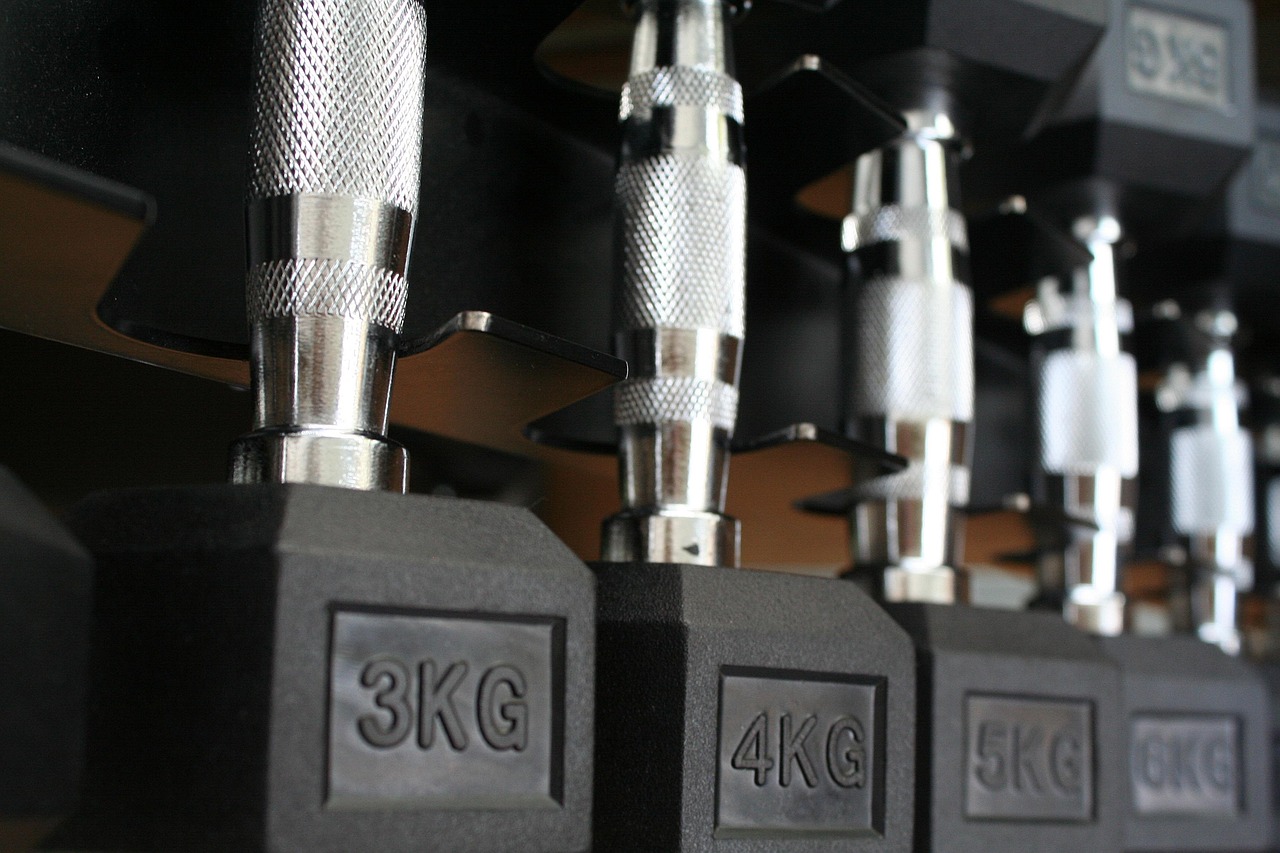
When selecting dumbbells for your strength training regime, consider adjustable versus fixed-weight options. Adjustable dumbbells allow you to change the weight according to your strength level, providing flexibility as you progress. They are ideal for a home gym setup where space may be limited, simplifying the storage issue effectively. Fixed-weight dumbbells, however, can be beneficial for specific workouts and offer quick access to weights during multiple set exercises. Another valuable piece of equipment is the kettlebell, providing a different style of resistance training. Kettlebells are excellent for functional movements that improve overall strength, balance, and coordination. They can be used for swings, squats, and lifts that target multiple muscle groups simultaneously. To enhance your strength training experience, it’s also beneficial to incorporate powerlifting equipment like squat racks and deadlift platforms. Investing in these ensures you can perform heavy lifts safely, minimizing risks of injury during intense workouts. Make sure the area where you train is spacious enough to accommodate your equipment for the best training experience.
Importance of Proper Footwear in Strength Training
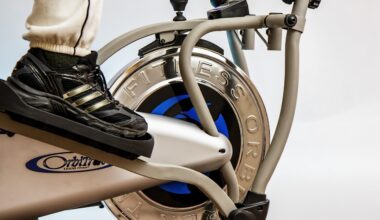
Choosing the right footwear for strength training is often underestimated but is highly important for optimizing performance and preventing injuries. Proper training shoes provide stability and grip, which are essential when lifting heavy weights. Shoes designed specifically for weightlifting often have a firm sole, helping to distribute weight evenly and maintaining balance during lifts. In contrast, running shoes generally offer cushioning that can impair stability, making them unsuitable for heavy lifting. Additionally, consider training in shoes that provide adequate ankle support for exercises like squats and deadlifts, preventing unnecessary strain on your joints. Some individuals may choose to train barefoot or wear minimal footwear for a more natural feel, but this approach might not work for everyone. It’s vital to assess your fitness level, experience, and workout preferences before deciding on appropriate footwear. Consider trying various options to find what feels best for you. While good shoes might seem like a minor detail, they can drastically improve your overall training experience and help you reach your goals efficiently.
Accessories are also crucial in enhancing your strength training routine, making workouts more comfortable and effective. Finding the right gloves or grips can prevent calluses and improve your grip on weights, ensuring a safer lifting experience. Weightlifting belts are another essential accessory that provides support to your lower back during intense exercises. By stabilizing your core, they minimize the chances of injury while allowing you to lift heavier weights. Moreover, don’t forget about foam rollers and massage balls for recovery. Adequate recovery is vital in strength training to allow your muscles to rebuild and strengthen, ultimately leading to better performance over time. These tools help alleviate soreness and enhance flexibility, contributing to an overall efficient training program. Another alternative is to utilize straps for deadlifts, helping to alleviate grip fatigue and allowing you to focus on your lifting. A proper warm-up and cooldown using these accessories can prepare your body for training and aid in recovery afterward. Always prioritize comfort and safety with quality accessories, giving you confidence in pushing your limits.
The Role of a Training Program
Having a structured training program is essential for maximizing the benefits of your strength training efforts. A well-designed routine helps to guide your workouts, ensuring you target all major muscle groups efficiently within a specific timeframe. It prevents you from stagnating and losing motivation, as variety is key in maintaining progress. Online resources or certified personal trainers can help create a tailored program suited to your goals, whether building muscle, losing weight, or increasing endurance. Sticking to a schedule allows for the proper progression of exercises, ensuring consistent overload to stimulate muscle growth. Moreover, a training program will help outline rest days, preventing overtraining and allowing your body to recover. Integrating accessory movements into your plan, such as core strengthening and mobility exercises, can lead to improved overall performance. Furthermore, setting measurable goals within your training program encourages consistency and accountability, bridging the gap between enthusiasm and results. Keeping track of progress not only aids motivation but also provides insights into what works best for your individual needs.
Measuring success in strength training goes beyond just tracking weights lifted; it’s about holistic improvement and well-being. Regularly assessing your progress can be achieved through various metrics like body composition measurements, strength assessments, and flexibility tests. These indicators show how effective your training program is and provide insights into adjustments needed over time. Another aspect to consider is nutrition; proper fuel is crucial for recovery and performance during your workouts. A balanced diet rich in protein, healthy fats, and carbohydrates can significantly enhance your strength training results. Consulting with a nutritionist can provide further guidance tailored to your specific needs and goals. Moreover, maintaining hydration is vital, as adequate fluid intake directly impacts energy levels and overall performance. Lastly, celebrate your achievements, no matter how small they may seem. This mindset enhances motivation and encourages you to remain consistent in your efforts. Continuous improvement in strength training requires patience and dedication, and recognizing your progress serves as a reminder of all your hard work.
Conclusion and Final Thoughts
Embarking on your strength training journey is an exciting opportunity for personal growth and physical improvement. By equipping yourself with quality tools, understanding the importance of proper footwear, and adhering to a structured training program, you can create an effective training regimen tailored to your needs. Accessories play an essential role in your training, enhancing both safety and comfort during workouts. Don’t underestimate the impact of nutrition and hydration on your results; fueling your body appropriately is vital for success. Remember that progress takes time, and staying committed to your goals leads to long-lasting results. By making the right choices and maintaining a positive mindset, you can achieve incredible milestones in your fitness journey. Whether you train at home or in a gym, the equipment and strategies you utilize will pave the way for success. Surround yourself with a supportive community and seek guidance when necessary, and don’t hesitate to adjust your program as you grow. With determination and the right approach, there’s nothing stopping you from attaining your strength training goals.
For lifelong fitness enthusiasts, strength training is more than a hobby; it becomes a way of life. Creating a sustainable routine requires continuous learning and adaptation to ensure that workouts remain enjoyable and beneficial. Try new exercises, explore different equipment, and always prioritize safety to maintain enthusiasm. Keeping your training diverse will help prevent monotony, and you’ll likely discover new strengths and skills along the way. Connecting with others who share similar interests can foster a sense of community, providing additional motivation and camaraderie in the gym. Remember, the journey toward strength is a personal one, and there’s no single path to success. Each individual’s experiences and goals are unique, and celebrating those differences is what makes strength training both rewarding and empowering.