
Key Techniques for Swimming Efficiency
Improving your swimming technique is crucial for reducing your time in a Half Ironman. There are several essential techniques you should focus on to enhance your swimming performance. First, mastering bilateral breathing ensures that you maintain a balanced stroke, helping to avoid fatigue. Secondly, working on your body position is vital; keep your body aligned, lowering drag in the water. Engage your core as you swim to maintain proper posture. Thirdly, perfect your kick; a strong flutter kick propels you efficiently while conserving energy. Additionally, your arm stroke needs attentiveness; ensure it is smooth and rhythmic to harness maximum power from each stroke. Furthermore, consider interval training to build speed and endurance simultaneously. Incorporate drills focusing on different aspects of your stroke, such as catch and pull. Lastly, utilize equipment like pull buoys and paddles specifically to improve muscle strength and reinforce technique. Regular practice combined with these focused techniques will lead to better performance on race day. By concentrating on these fundamentals, you can shave precious seconds and improve overall performance during your Half Ironman.
Developing a Stronger Swim Workout Plan
To effectively improve your swimming for the Half Ironman, a well-structured workout plan is essential. The plan should incorporate a variety of swim sets designed to target both endurance and speed. For instance, try a mix of long-distance swims with shorter, high-intensity sprints. Start your week with a longer swim, around 2000 to 3000 meters, at a moderate pace to build endurance. Gradually increase this distance over weeks as you build stamina. Midweek workouts can focus on speed, utilizing interval training; for example, swim 10 x 100 meters at race pace with brief rest intervals. It trains you to maintain your speed even as fatigue sets in. Another effective format is including technique-focused drills within your main sets; drills like catch-up or one-arm swimming can enhance your efficiency. Last but not least, do not forget to incorporate recovery sessions to allow your body to adapt and avoid overtraining. Every swimmer’s needs may vary, so tailor the workout to fit your progress and abilities. Consistently following this structure will lead you to excel in your Half Ironman swim.
Sharing the Half Ironman training journey with a coach can be invaluable. Engaging a coach provides personalized feedback on your swimming and assists in refining your techniques. They can observe your form directly, providing corrections and adjustments critical for improvement. Furthermore, a coach can supply a structured training regimen tailored to your specific needs. This can help maintain your motivation throughout preparation. Take advantage of their expertise to create workouts that particularly target your weaknesses, be it endurance, speed, or stroke efficiency. Consistent feedback ensures you stay on track and understand the why behind various workouts. They may also introduce you to smarter training tactics, such as incorporating swim sets that enhance specific elements of your technique. Additionally, training with a coach offers accountability and can undoubtedly push the boundaries of your potential. It’s also beneficial to swim with a partner or small group; this provides motivation while simulating race-day conditions. By participating in regular sessions under professional guidance, you will see significant improvements in swimming technique and performance come race day.
Utilizing video analysis effectively enhances your swim performance in triathlons. Recording your swimming patterns allows for a great visual feedback mechanism essential for improvement. Video analysis uncovers streamlining issues, kick placement, and body positioning, which are all critical in reducing drag. Once recorded, work with your coach or analyze yourself. Pay attention to elements such as stroke mechanics and body rotation based on frame-by-frame assessments. Look for parts of your stroke that require adjustment and concentrate your efforts on those aspects during practice. Understanding your underwater and surface dynamics can reveal common mistakes and aid in developing more efficient techniques. Furthermore, focusing on the timing of your breathing with a visual aid can improve rhythm and overall speed. Consider scheduling regular video sessions throughout your training cycle to track progress and make necessary adjustments. As you grasp these elements visually, your swimming will become much sharper and faster. Implementing video analysis could be that extra ingredient you need to significantly enhance your swimming performance in the Half Ironman.
Practicing Open Water Swimming
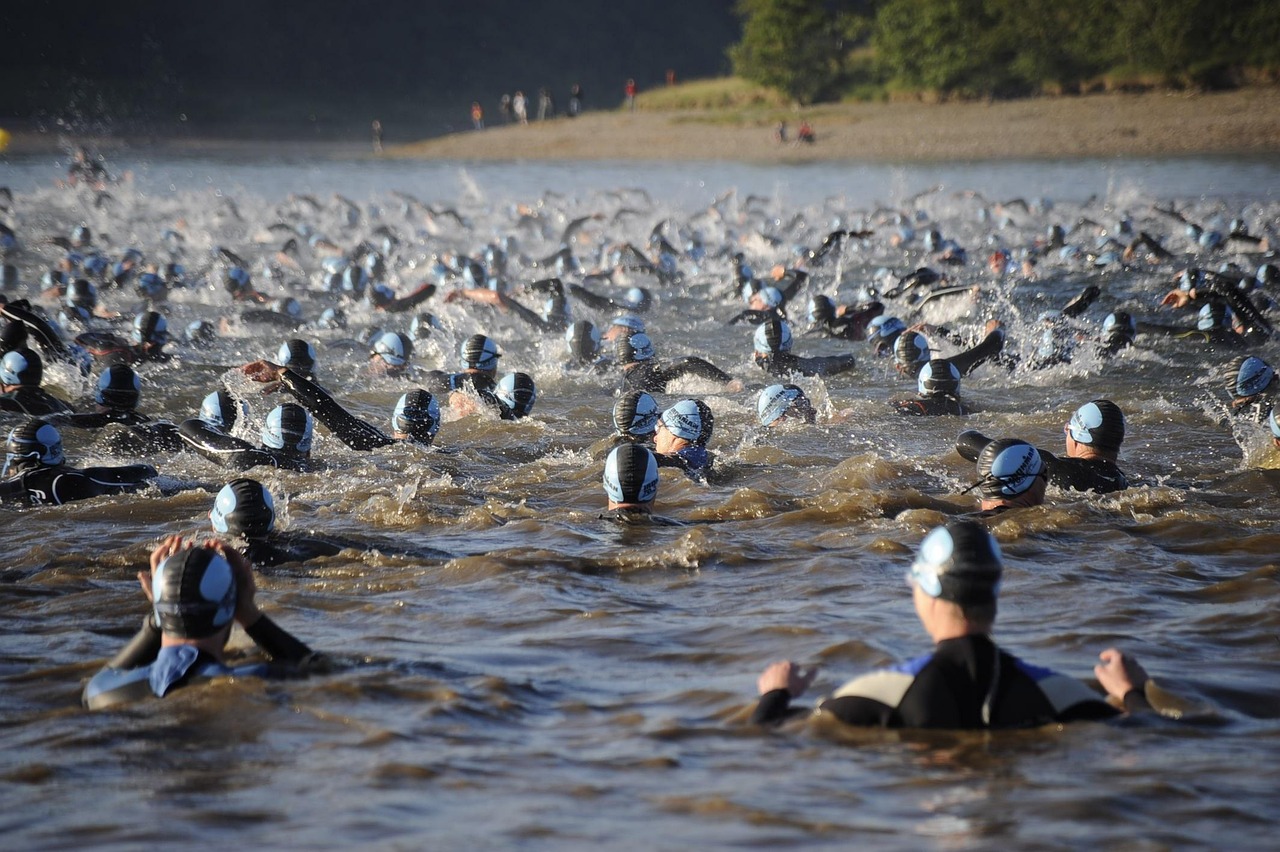
Transitioning from a controlled pool environment to open water poses unique challenges. Practicing in open water is essential for acclimatization to conditions you will face on race day. One way to simulate this experience is by finding local lakes or oceans where you can train regularly. Pay special attention to factors like currents, waves, temperature variations, and visibility. Practicing in these diverse environments will help build confidence and improve your adaptability to different water conditions. Most importantly, work on your sighting technique; frequently lift your head to establish your line towards the swim buoys. During these practice sessions, utilize a wet suit if your race requires one, as this affects buoyancy and drag. Connecting with fellow swimmers for training also prepares you for the race ambiance. Conclusively, embrace the unpredictability of outdoor swimming; practice contributes directly to increased comfort and performance when competing. Making these outdoor swims a regular part of your routine will lead to significant improvements as you prepare for your Half Ironman event.
A vital aspect to consider in your swimming training for a Half Ironman is nutrition. Proper fueling before, during, and after your swims is crucial for optimal performance. Incorporate a balanced diet rich in carbohydrates, proteins, and healthy fats that supports endurance training. Focus on pre-training meals; a light snack containing carbs along with a small protein source can sustain your energy levels. Additionally, hydrate adequately before and during your swims. Post-swim recovery nutrition is equally important, as these nutrients help repair muscles effectively. Look into sports drinks or gels during long workouts to replenish energy lost. Experiment with different options in training to discover what best suits your digestion and performance during the event. Furthermore, consider the timing; eating too close to your swim can cause discomfort. Prioritize whole, nutritional foods over processed options for sustainable energy. Tracking your intake in a food diary helps identify patterns that lead to better performance. By prioritizing nutrition as part of your training strategy, you’ll significantly enhance your swimming performance during the Half Ironman.
Lastly, incorporating strength training into your swimming regimen benefits overall performance. A targeted program that includes exercises focused on core stability, upper body strength, and leg power contributes to stronger swim strokes. Engage in resistance training, using bands or weights to strengthen the muscles used during your swim. Specific exercises like pull-ups, push-ups, and planks improve muscle imbalances while enhancing swim strength. In addition to these exercises, participate in cross-training activities, such as cycling or running, enabling the use of different muscle groups while maintaining cardiovascular fitness. Flexibility training can’t be overlooked; incorporate stretching routines or yoga to enhance your range of motion and improve swimming efficiency. Consistency in strength workouts, swimming, and flexibility training leads to better results and reduced injury risks. Plan these sessions to target your swimming days effectively; incorporating strength training into your weekly routine ensures comprehensive performance development. With a balanced training routine, you’re set to make waves at your upcoming Half Ironman, achieving those personal bests in the water.