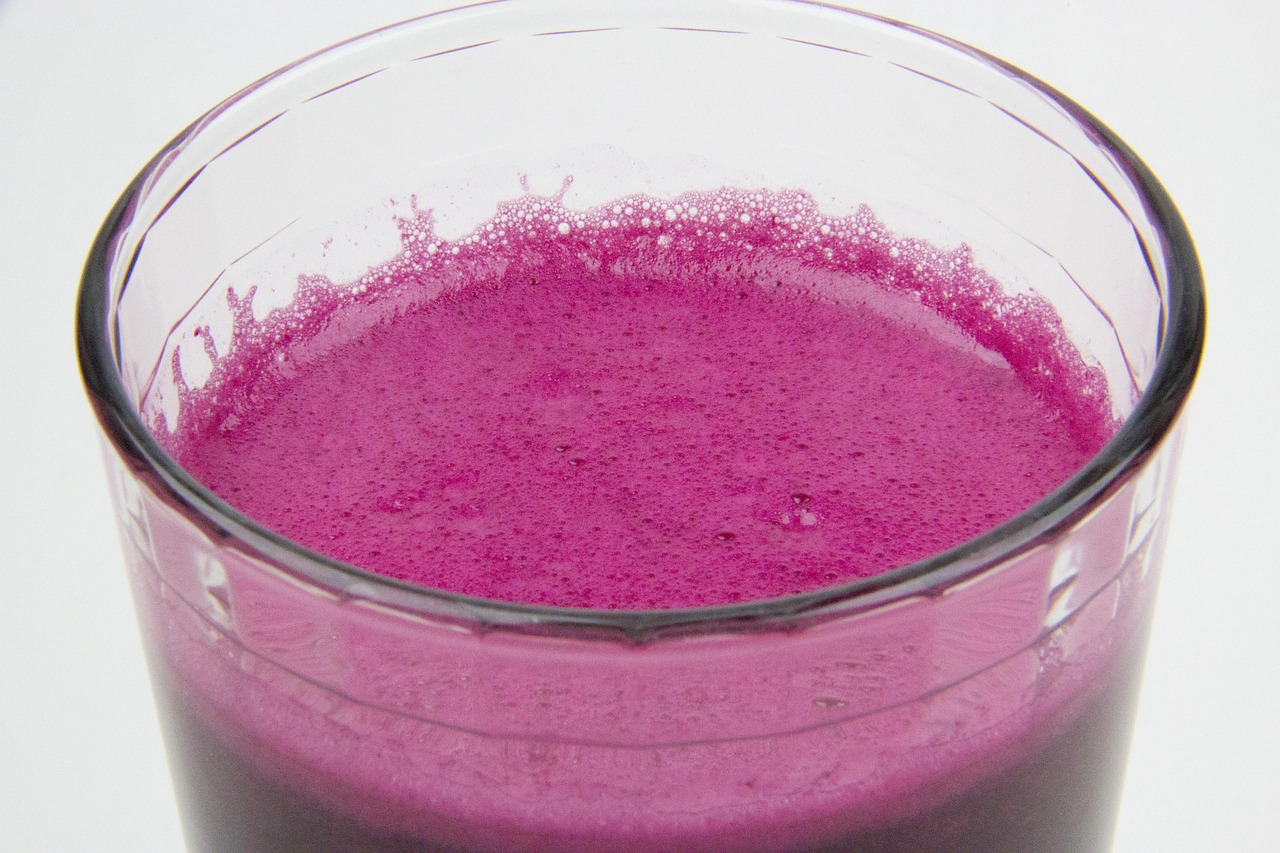

The Benefits of Beetroot Juice for Cardiovascular Training
Beetroot juice has emerged as a powerful beverage associated with various health benefits, especially in cardiovascular training. Consuming beetroot juice can enhance athletic performance and improve cardiovascular health by facilitating better blood flow. The primary reason behind its efficacy lies in its high levels of nitrates, which the body converts into nitric oxide. This compound helps relax blood vessels, improving circulation and lowering blood pressure. For fitness enthusiasts, incorporating beetroot juice into one’s routine can lead to noticeable changes in endurance, allowing for longer training sessions without feeling fatigued. Furthermore, studies suggest that beetroot juice may help recover faster post-exercise. In addition, this natural drink is rich in antioxidants, including betalains, which support overall heart health. Consuming beetroot juice regularly has been linked to improved cholesterol levels, contributing to a healthier cardiovascular system. In a world where heart diseases are prevalent, including such nutritional powerhouses as beetroot juice is essential. Whether taken before or after workouts, this juice can serve as an efficient way to bolster cardiovascular performance while promoting long-term health benefits.
How Beetroot Juice Enhances Performance
The significance of beetroot juice extends beyond its nutritional content; it genuinely enhances athletic performance. One significant feature of beetroot juice is its ability to improve oxygen delivery in our muscles during intense workouts. The nitrates found in beetroots convert into nitric oxide, positively affecting muscle efficiency and stamina. This increased blood flow leads to an improved supply of oxygen, allowing athletes to push their limits. Research shows that consuming beetroot juice leads to better time-trial performances and increased maximum oxygen uptake, a crucial factor for endurance athletes. Furthermore, the juice contains essential vitamins and minerals that enhance metabolic processes critical for energy production. Drinking beetroot juice before exercise is a game-changer for both professional athletes and fitness enthusiasts, as it can boost stamina by reducing oxygen consumption during training. Moreover, beetroot juice is low in calories and sugar, making it a wise nutritional choice. Transitioning from water or sugary drinks to beetroot juice as a pre-workout beverage can significantly enhance the cardiovascular training experience. Thus, it’s essential to incorporate this nutritious beverage to maximize performance.
Beyond oxygen delivery and performance enhancement, beetroot juice plays a vital role in post-exercise recovery. Intensive workouts lead to micro-tears in muscles, and how well the body heals these tears determines overall fitness progress. Beetroot juice’s anti-inflammatory properties can help minimize soreness after intense cardiovascular workouts, making recovery smoother. The abundant antioxidants in beetroot juice combat oxidative stress, which can accumulate during workouts. By reducing inflammation, beetroot juice not only aids in recovery but also helps athletes feel more energetic and ready for their next session. Additionally, hydration after physical activity is crucial, and beetroot juice can also help replenish lost electrolytes, further supporting recovery. Drinking beetroot juice post-workout can lead to better muscle repair as well as improved glycogen replenishment, allowing athletes to maintain high energy levels throughout their training regimen. For cardiovascular training, the focus should be not only on performance but also on recovery, making beetroot juice an essential component in an athlete’s diet. Whether it’s consumed alone or mixed into smoothies, it’s a delicious and healthful way to ensure optimal recovery.
Rich Nutrients in Beetroot Juice
Beetroot juice is not just delightful in flavor; it is packed with essential nutrients that contribute to cardiovascular health. One of the most notable components is its abundance of dietary fiber, which plays a critical role in balancing cholesterol levels. This effect can be particularly advantageous for individuals managing heart health. Beets also contain vital minerals like potassium, crucial for regulating blood pressure. Furthermore, beetroot juice is rich in folate, a B vitamin essential for maintaining healthy red blood cells and for optimal heart function. Antioxidants such as vitamin C are also present, helping protect the heart against oxidative stress caused by free radicals. Additionally, the natural sugars in beetroot juice provide an instant source of energy without the crash associated with processed sugars. Regularly consuming beetroot juice can offer enhanced energy levels, supporting an active lifestyle. Moreover, its bright color and pleasant taste make it an enjoyable option for almost anyone. Incorporating beetroot juice into a balanced diet can lead to significant health improvements, especially for those engaged in cardiovascular training. Embracing this nutrient-dense beverage can be transformative.
The culinary versatility of beetroot juice is noteworthy, making it easy to incorporate into various dietary patterns. Athletes can consume beetroot juice on its own or blend it with other nutritious ingredients like fruits and vegetables. For example, combining beetroot with apples or ginger can enhance its flavor and nutrient profile. Smoothies made with beetroot juice can serve as energizing pre-workout snacks or delightful post-workout refreshments. As beetroot juice becomes more popular, various products now offer different formats like powder and shots, catering to individual preferences and lifestyles. Athletes might find these alternatives convenient, especially when time is short. Including beetroot juice in diverse meal prep can also encourage better eating habits among individuals. A compact daily serving of beetroot juice can help ensure essential nutrients are consumed regularly. As more people discover the potential benefits, the popularity of beetroot juice is likely to keep rising. With its phenomenal health properties and appealing taste, beetroot juice can be a staple for any athlete focused on maximizing their cardiovascular training and overall well-being.
Potential Considerations When Consuming Beetroot Juice
While beetroot juice holds numerous benefits, individuals should be aware of potential considerations. Start by remembering that moderation is key; excessive consumption may lead to undesired effects such as temporary discoloration of urine or stool, which is harmless but can be alarming for some. People with certain medical conditions, like those prone to kidney stones, should consult their healthcare providers before significantly increasing their beetroot juice intake. The high oxalate content in beets can contribute to stone formation in susceptible individuals. Furthermore, check for potential allergies; while rare, some individuals may have sensitivities to beets. Consequently, it’s essential to listen to one’s body and monitor any adverse reactions. In addition, consider the sugar content present in beetroot juice; while natural, it can still affect blood sugar levels. For those with diabetes or related concerns, being mindful of overall sugar intake is crucial. Balancing beetroot juice with other healthy foods can help mitigate these concerns while still reaping its health benefits. With informed consumption, beetroot juice can be a beneficial addition to a cardiovascular training regimen.
In summary, beetroot juice presents an array of health benefits, particularly for those engaged in cardiovascular training. Its rich nitrate content is instrumental in enhancing blood flow and optimizing oxygen delivery, leading to superior athletic performance. The post-exercise recovery benefits further underscore its importance, particularly for athletes aiming for consistent performance. This vibrant juice not only provides essential nutrients critical for heart health but also offers versatility in consumption methods, appealing to wide-ranging tastes and preferences. By being mindful of potential considerations and making informed choices, athletes can include beetroot juice in their daily routines. As the wellness trend continues to grow, beetroot juice will likely become a staple for many health-conscious individuals. Its combination of flavor, nutrition, and functionality makes it an advantageous option in any athlete’s diet. Ultimately, this natural powerhouse fosters both performance and recovery, allowing athletes to thrive on their journey toward cardiovascular fitness. Embracing beetroot juice not only contributes to a well-rounded diet but also bolsters overall cardiovascular health for individuals aiming to achieve their fitness goals.
In conclusion, beetroot juice holds numerous advantages for those engaged in cardiovascular training. The journey to better health is filled with fluctuations, and beetroot juice aids in optimizing physical performance and ensuring faster recovery times. This flavorful drink’s ability to enhance oxygen delivery, improve endurance, and promote overall heart function adds immense value. As research continues to support the roles of dietary nitrates and antioxidants in athletic performance, more athletes will benefit from this natural beverage. Fortunately, it is easy to incorporate into any diet, appealing to various preferences and lifestyles. Whether consumed as juice, smoothie, or powder, beetroot offers tremendous versatility. Additionally, as awareness of its benefits grows, more companies are investing in innovative products featuring beetroot as a key ingredient. Ultimately, embracing such a nutrient-rich drink encourages healthier eating patterns and contributes to long-term wellness. Athletes who prioritize nutrition can gain the upper hand in performance and recovery, and beetroot juice is a key player in that equation. With its beneficial components and delightful taste, beetroot juice is poised to remain a favorite among those committed to enhancing their cardiovascular health.