
Dance Therapy for Seniors: Staying Active and Joyful
Dance therapy is an expressive form of movement that blends both artistic and therapeutic aspects. For seniors, it serves as an engaging way to promote physical health, emotional well-being, and social interaction. Participation in dance classes provides a variety of benefits, including improved coordination, balance, and strength. Additionally, it fosters a sense of community, as seniors connect with others who share similar interests. This form of therapy also encourages creativity and self-expression, allowing participants to explore movements freely. Many studies have highlighted the significance of staying active as one ages, emphasizing that exercise is a critical component for maintaining overall wellness. Within dance therapy, the rhythm of music often serves as both a motivation and guide for movement. By participating in group dance classes, seniors can feel a sense of belonging and achievement, which contributes to improved mental health. Cognitive function can also benefit, as learning new dance steps stimulates the brain. To ensure the best possible experience, it’s important to select classes tailored to all ability levels, prioritizing safety while having fun. A joyful approach leads to a fulfilling and active lifestyle throughout senior years.
As we age, finding ways to stay active is crucial for both physical and mental health. Dance therapy for seniors helps in maintaining mobility, coordination, and flexibility. Many forms of dance can be adapted to cater to various skill levels, ensuring everyone can participate. By moving to music, seniors experience joy and emotional uplift. This art form encourages physical exertion while promoting a mood-enhancing experience. In dance classes, participants typically engage in simple movements, which can easily be modified to accommodate those with limited mobility. Studies have shown that social interaction among seniors can combat feelings of loneliness and depression, making group settings ideal. Furthermore, rhythm and music resonate deeply, prompting memory recall and emotional connection. Familiar tunes can trigger nostalgic memories, enhancing the joy of participation. Many dance therapy programs incorporate a variety of styles, from ballroom to folk dance, allowing seniors to explore different cultural expressions. It’s essential that the instructor is knowledgeable about age-specific considerations to ensure safety. Overall, this innovative approach to fitness offers a wonderful blend of body movement, music, and social engagement, greatly benefiting seniors in their later years.
Health Benefits of Dance Therapy
The health benefits of dance therapy extend far beyond merely staying active. Engaging in dance promotes cardiovascular health, which is vital for seniors who may be at risk of heart diseases. Aerobic activities, such as dancing, help maintain a healthy blood flow and improve heart function. Additionally, dance therapy strengthens the muscles and joints, enhancing balance and reducing the risk of falls, which can be especially hazardous for older adults. Furthermore, participating in dance encourages the release of endorphins, chemicals that naturally improve mood and alleviate stress. Emotional benefits are significant; dance allows for self-expression, creativity, and social interaction among peers. Research indicates that physical activity can significantly lower symptoms of anxiety and depression, which are prevalent in older populations. Group dance settings foster connections and friendships, combating feelings of isolation. Also beneficial is the cognitive stimulation involved in learning new routines, which can enhance memory and focus. Seniors with dementia and Alzheimer’s have shown improvements in communication and emotional well-being through musical and dance activities. Ultimately, dance therapy offers a holistic approach to health, integrating physical, mental, and emotional aspects of well-being for seniors.
Accessibility is a crucial factor when considering dance therapy for seniors. Various programs across communities offer classes tailored to different abilities. Whether a senior is new to dance or has years of experience, opportunities abound that cater to their needs. Accessible dance classes ensure that individuals with mobility issues are accommodated. Specialized instructors take into account each participant’s physical limitations, creating a safe environment for everyone. Many facilities now offer chairs or props to facilitate easy movement for those who need additional support. Moreover, online classes have emerged as a flexible option, allowing seniors to join from the comfort of their homes. This accessibility helps overcome barriers associated with transportation and physical disabilities, expanding participation. Several organizations provide scholarships or discounted classes, allowing individuals to engage regardless of financial limitations. Community centers and recreation facilities play a pivotal role in promoting these classes, further supporting this inclusive environment. It’s vital for families to encourage their older relatives to try out dance therapy, fostering not just physical activity, but also social and emotional connections. By recognizing the accessibility of dance, we can celebrate the inclusive nature of dance therapy for seniors.
Different Dance Styles for Seniors
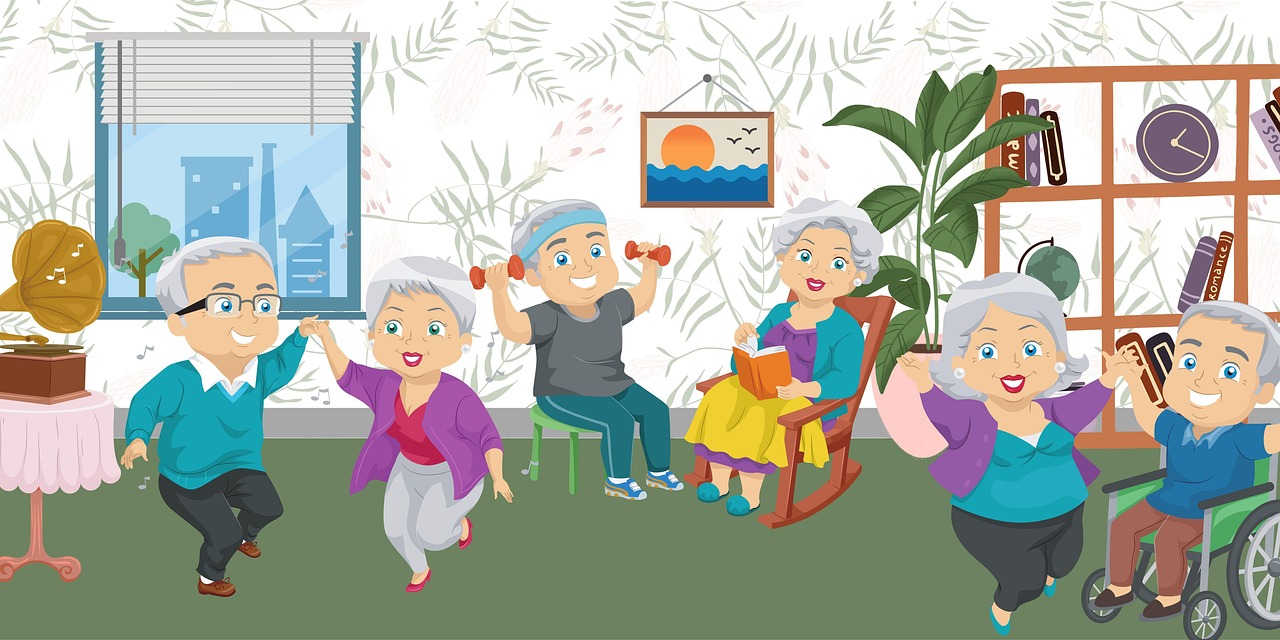
Seniors engaging in dance therapy can enjoy a rich variety of dance styles, each offering unique benefits and experiences. One popular option is ballroom dancing, which emphasizes coordination and partnership, giving a delightful social aspect. This style promotes both physical activity and the development of dance skills as couples glide to music. Another accessible form is line dancing; it’s a fun way to enjoy movement in a group. Line dancing requires no partner, allowing individuals to focus on personal expression and rhythmic motion. Other options include folk or cultural dance, which creates a joyful exploration of movement while building connections to heritage. Moreover, chair dancing has gained attention, providing a safe way to engage those unable to stand for long periods. By offering different dance styles, therapists can cater to varying abilities and preferences, empowering seniors to explore their creativity. Adaptability is key, ensuring participants remain motivated and engaged, regardless of skill level. Dance therapy is not just about the physical aspect; it is an experience enriched by music and community, fostering joy through movement, making it an exciting option for seniors of all backgrounds.
One of the most vital components of dance therapy for seniors is the instructor’s role. Proper training and experience in geriatric care are paramount for effectively leading these classes. An understanding of seniors’ unique physical and emotional needs allows instructors to create supportive environments. They need to be skilled at motivating participants, ensuring that every individual feels valued and encouraged in their journey. Additionally, instructors should foster a fun atmosphere where participants feel free to express themselves through movement. Thorough knowledge of various dance styles is also necessary for designing engaging and diverse class experiences. Instructors need to continuously educate themselves on best practices for teaching older adults and adapt to emerging trends in health and wellness. Regular feedback from participants can guide instructors in tailoring classes for maximum enjoyment and effectiveness. If instructors maintain a positive attitude and offer recognition for progress, seniors will likely be enthusiastic about attending sessions. Ultimately, the connection between the instructor and participants can enhance group dynamics and facilitate lasting friendships. A responsible instructor can leave a powerful, lasting impact on the lives of seniors through dance therapy.
Conclusion and Encouragement
In conclusion, dance therapy for seniors presents a dynamic means for enhancing overall health, well-being, and social interaction. The benefits encompass emotional, cognitive, and physical dimensions, allowing older adults to maintain a joyful and active lifestyle. As a celebration of creativity and movement, dance therapy provides a unique outlet for self-expression, encouraging seniors to break free from constraints. It’s essential for families and caregivers to recognize the transformative power of such classes and to motivate participation. Finding local programs or community centers offering accessible lessons is a crucial first step in encouraging involvement. Additionally, exploring online dance classes can empower seniors to participate at their convenience. It’s about cultivating joy in movement while engaging with peers. By supporting older adults throughout their journey, we enable them to embrace their passions and discover new interests easily. Dance therapy encapsulates more than just physical activity; it’s a gathering of hearts and spirits united through the love of dance, humor, and camaraderie. Let’s spread awareness and enthusiasm for dance therapy, creating a vibrant community that enhances the lives of our beloved seniors and enriches their golden years.
As we embrace the significance of dance therapy for seniors, remember that joy and activity can coalesce beautifully. The connection forged through dance offers a wealth of opportunities to explore, socialize, and foster new friendships. Dance transcends age barriers, making it a perfect fitness solution for older adults seeking connection and happiness. In a world that often prioritizes solitude, dance therapy invites seniors to come together in movement, laughter, and the vibrant rhythm of life. This enriching experience, rooted in the power of music and movement, encourages individuals to celebrate the gift of movement while nurturing both body and mind. As we continue advocating for healthy lifestyles among seniors, let’s champion dance therapy as an impactful, transformative tool for enhancing their well-being. In embracing this artful form of expression, we also honor the wisdom and stories that each senior brings to the dance floor. With every step taken in dance classes, we create beautiful stories of joy, resilience, and community. May we all take part in this vibrant journey, nurturing a culture where seniors feel celebrated, active, and engaged in the continuing dance of life.